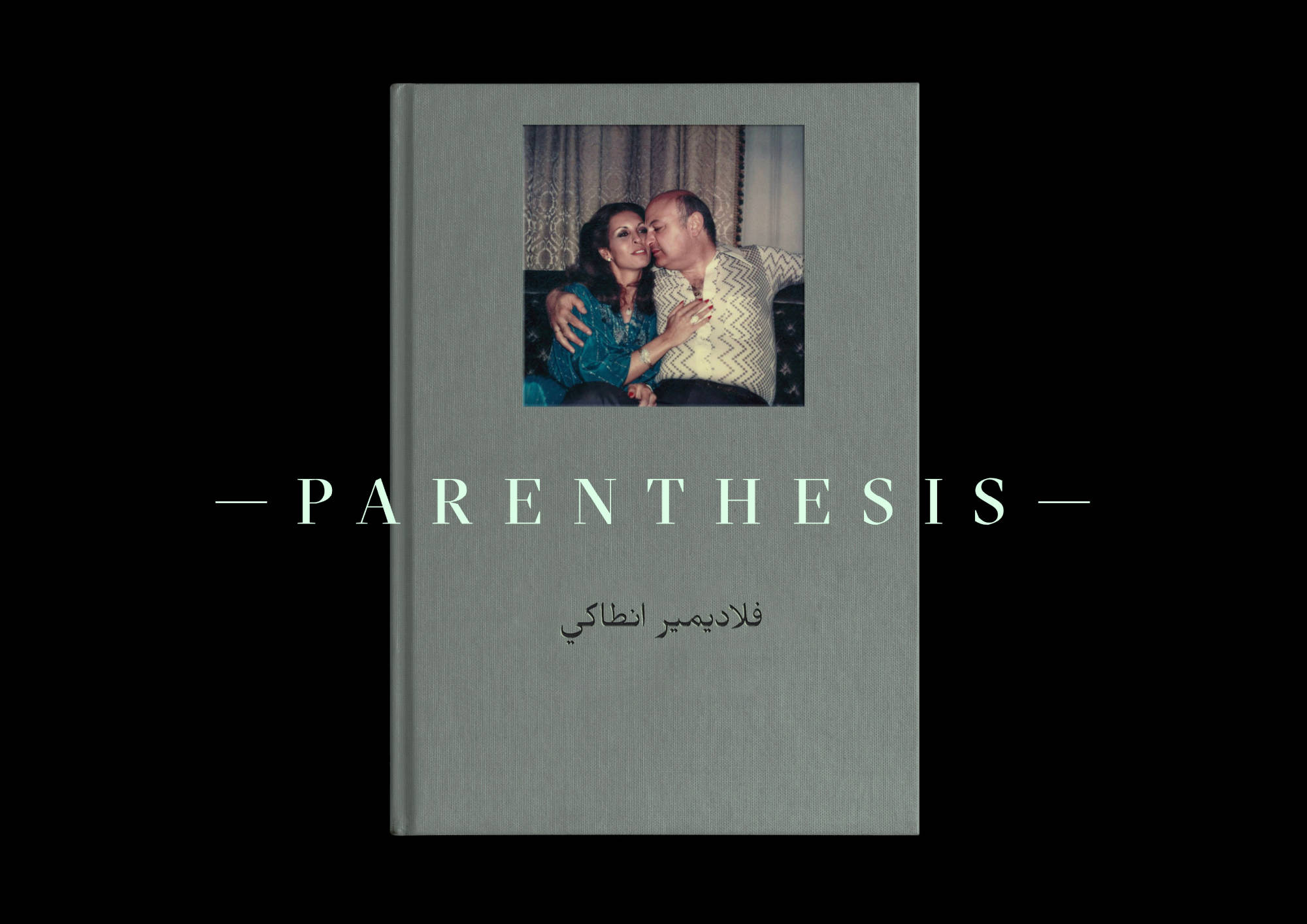
The title carries a double meaning. Parenthesis, first: the pause, the interval, that suspended moment in the flow of life where the narrative finally stops so that it can be looked at directly. But also, to the ear: Parents / Thesis — the subject and its method. On one side, the family, its bonds, its silences, its inheritance; on the other, the patient examination of these stories, their deconstruction, their testing.
For ten years, I have been the detective of my own history. I navigate between the material and the immaterial. I connect events, anecdotes, faces, dates, absences. Each clue becomes an additional piece; each piece transforms the overall picture. I have witnessed coincidences so troubling they seemed to constitute proof — synchronicities belonging to a pattern older than myself.
Through this investigation into the intertwined lives of my parents, I understood that no key opens a door innocently. The past, once assembled, does not only make the picture more complete: it also shifts the one who observes it. Each discovery becomes an irreversible step forward in understanding who I am, and where I come from.
Parenthesis is both a tribute to the past and an exploration of grief, transmission and the fragile balance between life and what survives it.
For ten years, I believed I was investigating the past. I understand today that it is the past that is investigating me.
"There is a crack in everything. That's how the light gets in." — Leonard Cohen
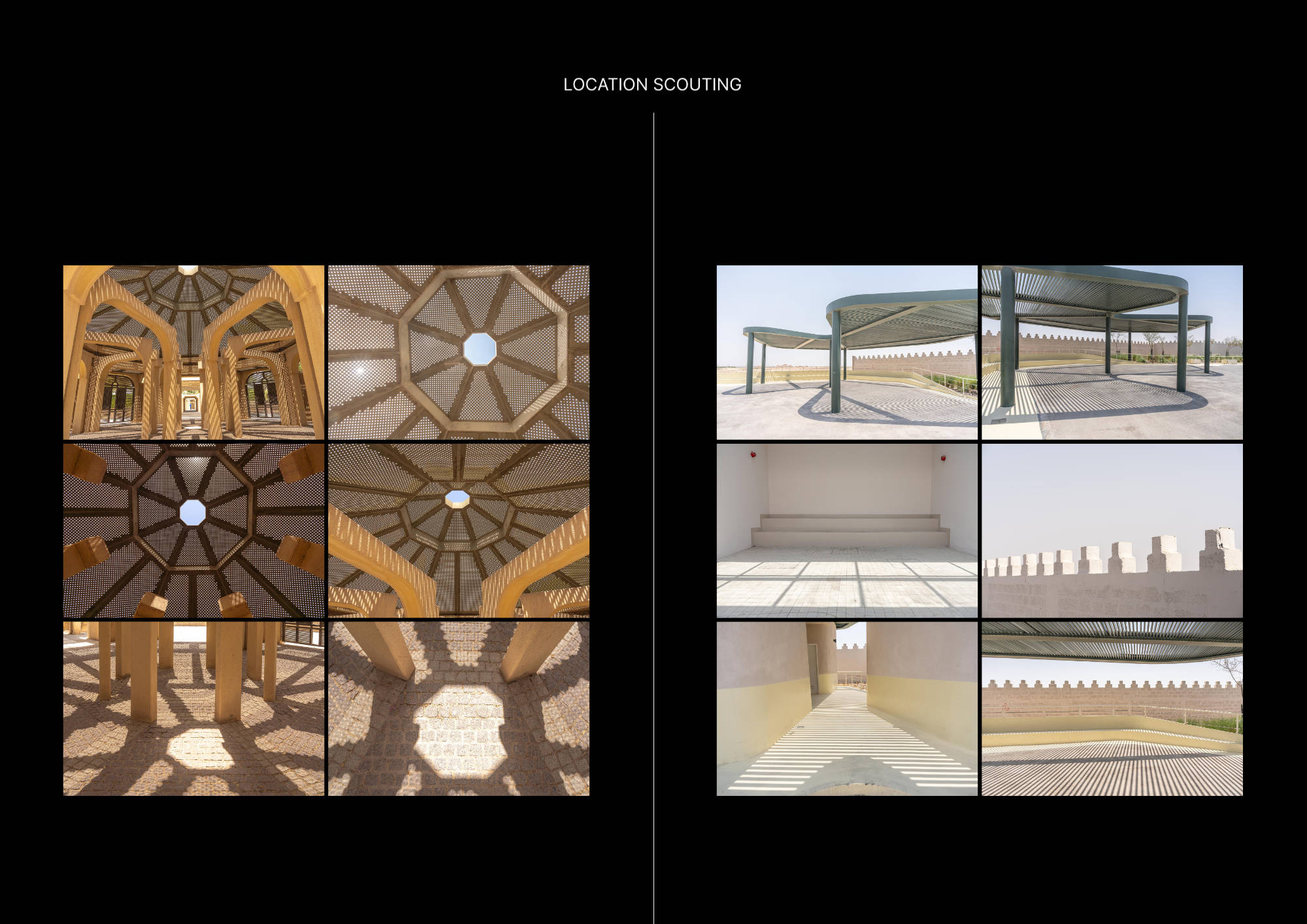
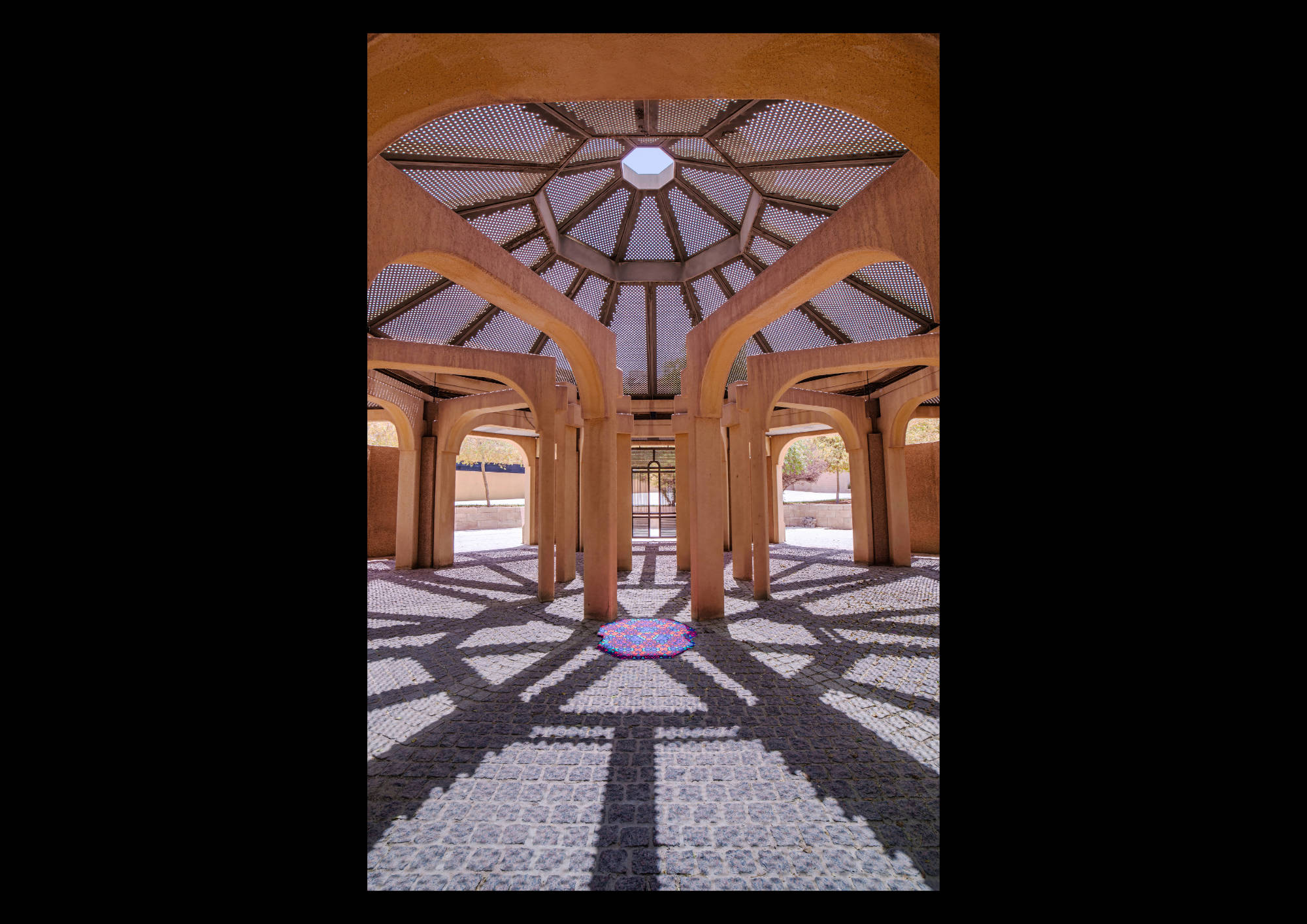
This work is an immersion into memory, light and presence within a highly allegorical space in Riyadh — the city where my mother brought me into the world. I chose this place, steeped in poetry and evoking the serenity of a mausoleum, to symbolically breathe life back into it for the duration of an ephemeral encounter. The hexagonal opening in the ceiling admits a beam of light that crosses the space, tracing through the moving shadows its own immaterial counterpart made of light. This central beam, along with the rays that accompany it, becomes a metaphor for the moment and for persistent memory.
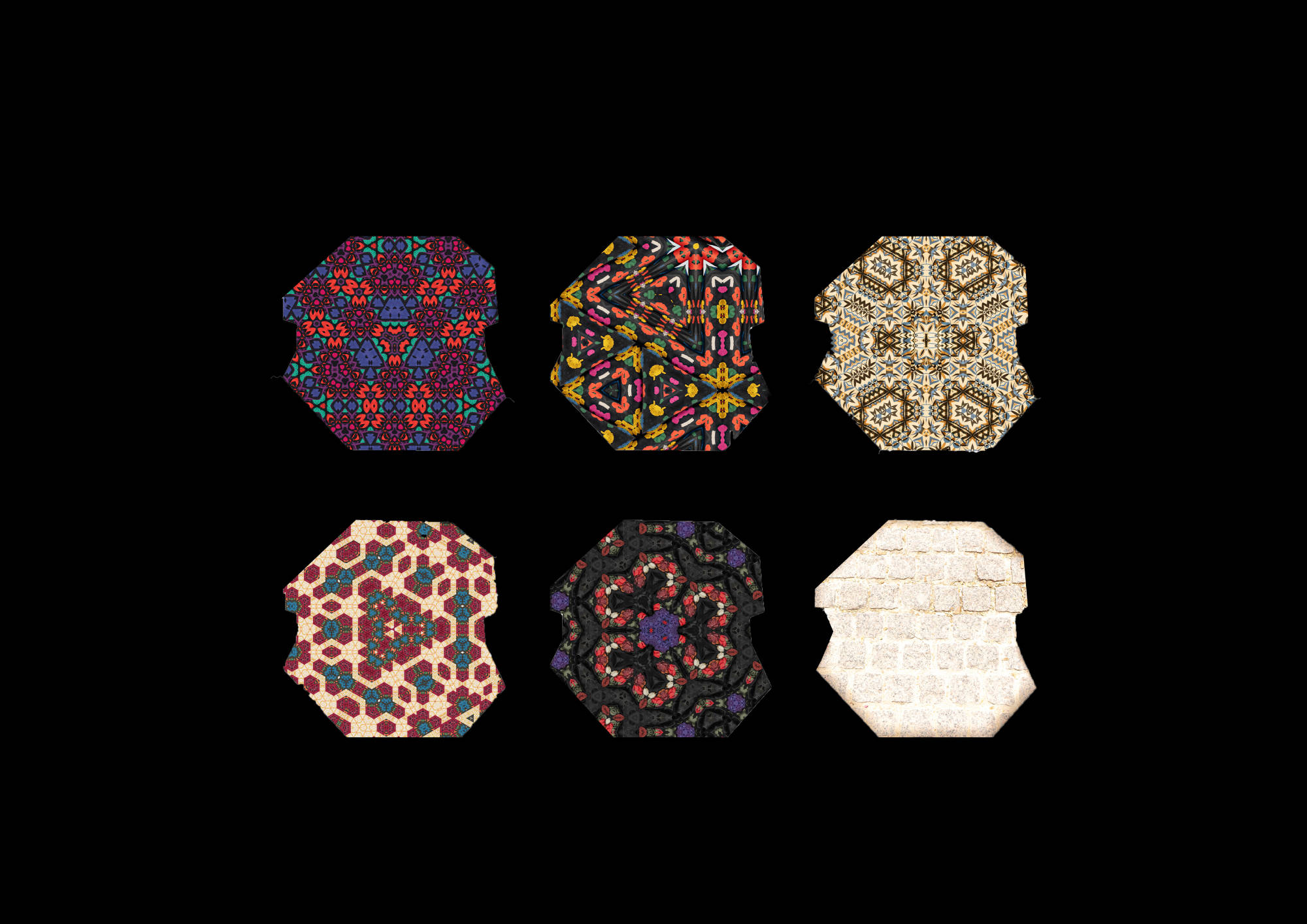
The structure of the ceiling recalls the face of a clock, symbolising the passage of time. Here, sunlight plays the role of the hands, marking each fleeting moment with particular delicacy. This dialogue between time and memory reflects the intangible presence of my mother — through this dance between shadow and light — creating a fragile and sacred temporality. The symmetry of the space reinforces the idea of an encounter between the divine and the earthly. On one side, the architecture and the hexagonal opening admit light, symbol of my mother's presence. On the other, the interplay of shadows and reflections forms a kind of double, giving form to our deep connection and the paradox of our relationship. By dressing this central beam of light in a garment reinterpreted from her wardrobe, I pay tribute to her elegance, while celebrating the light she continues to diffuse in my life.
This work explores the process of mourning and proposes a meditation on how we reconcile ourselves with absence through ephemeral and poetic moments of our existence.
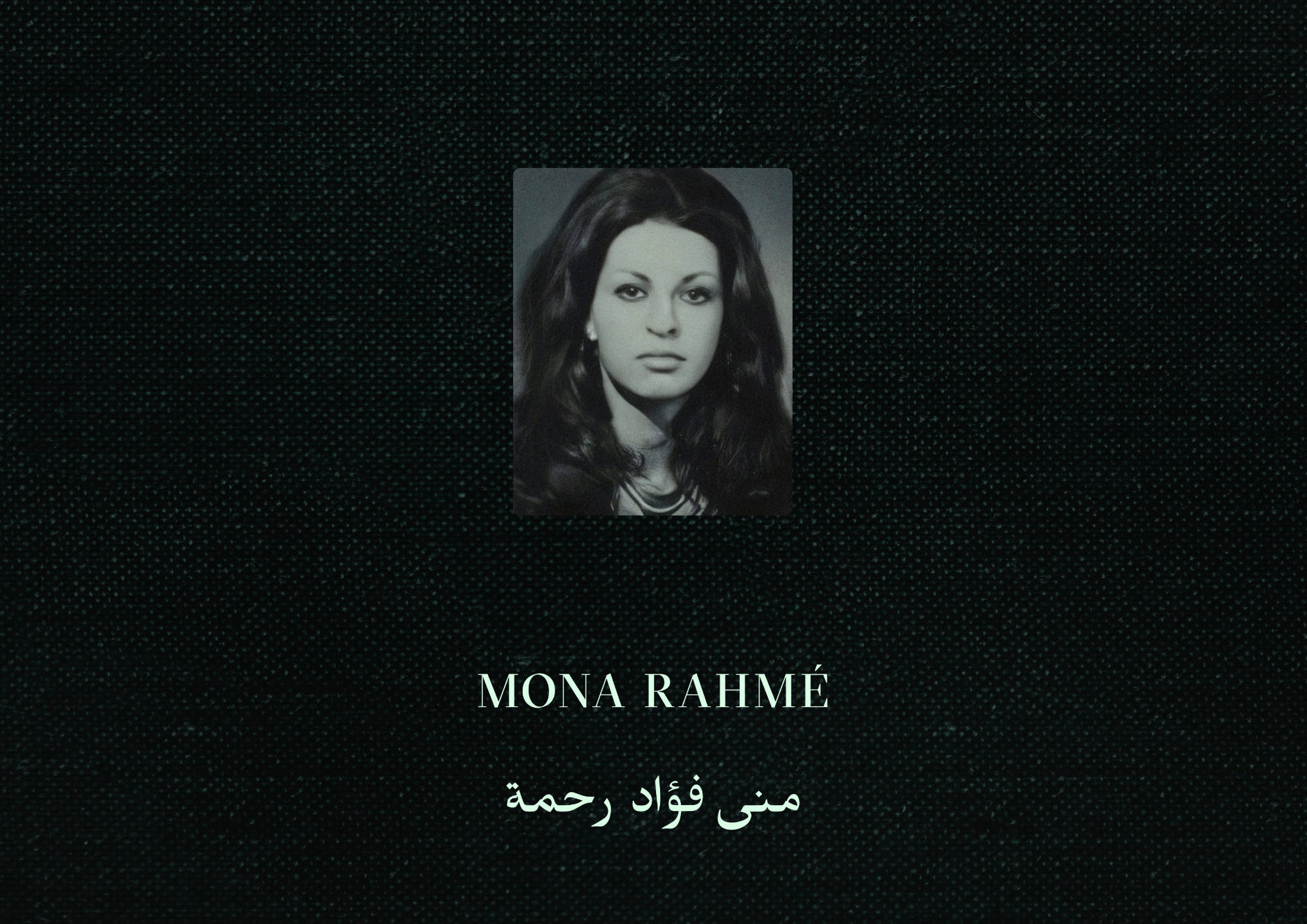
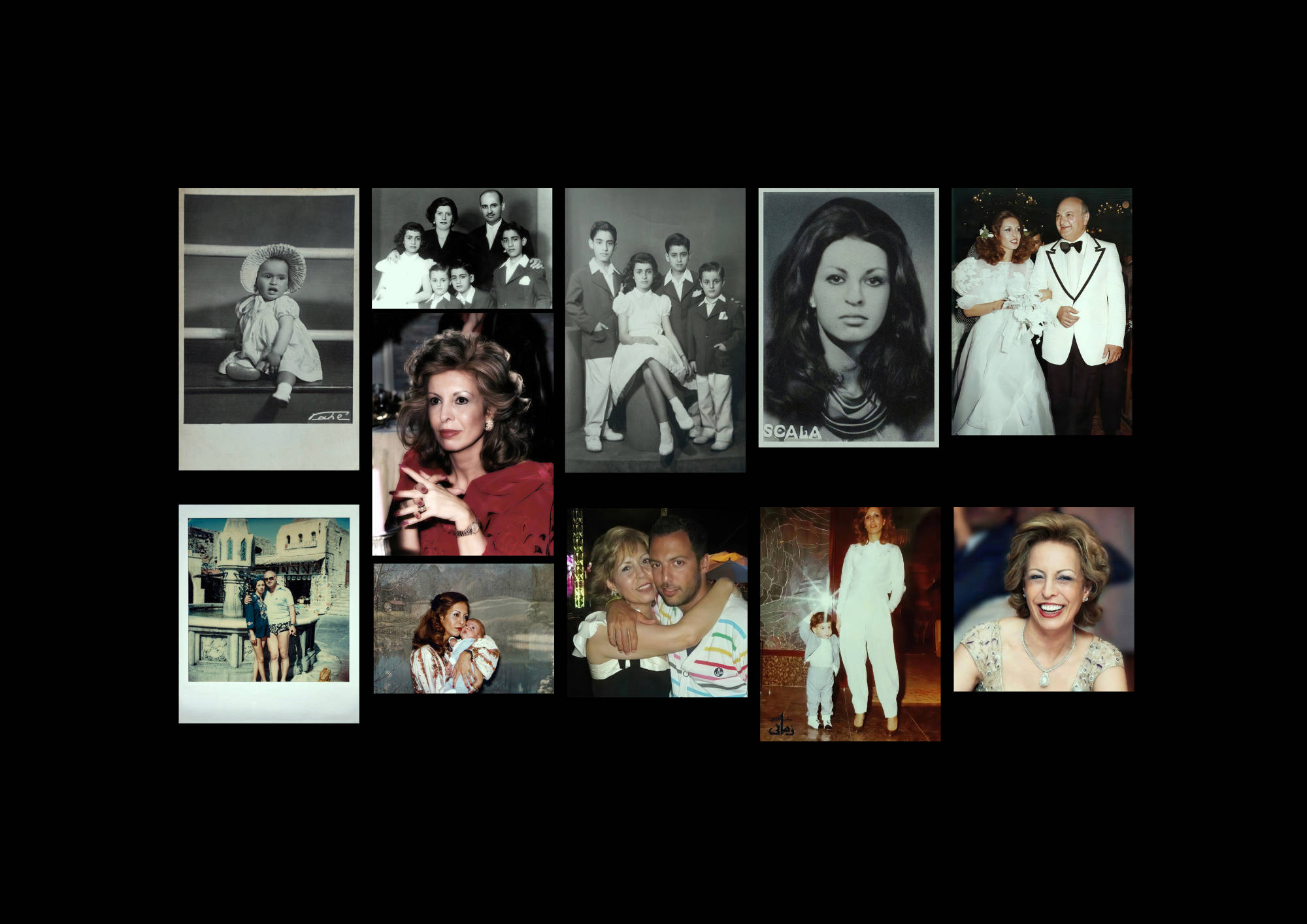
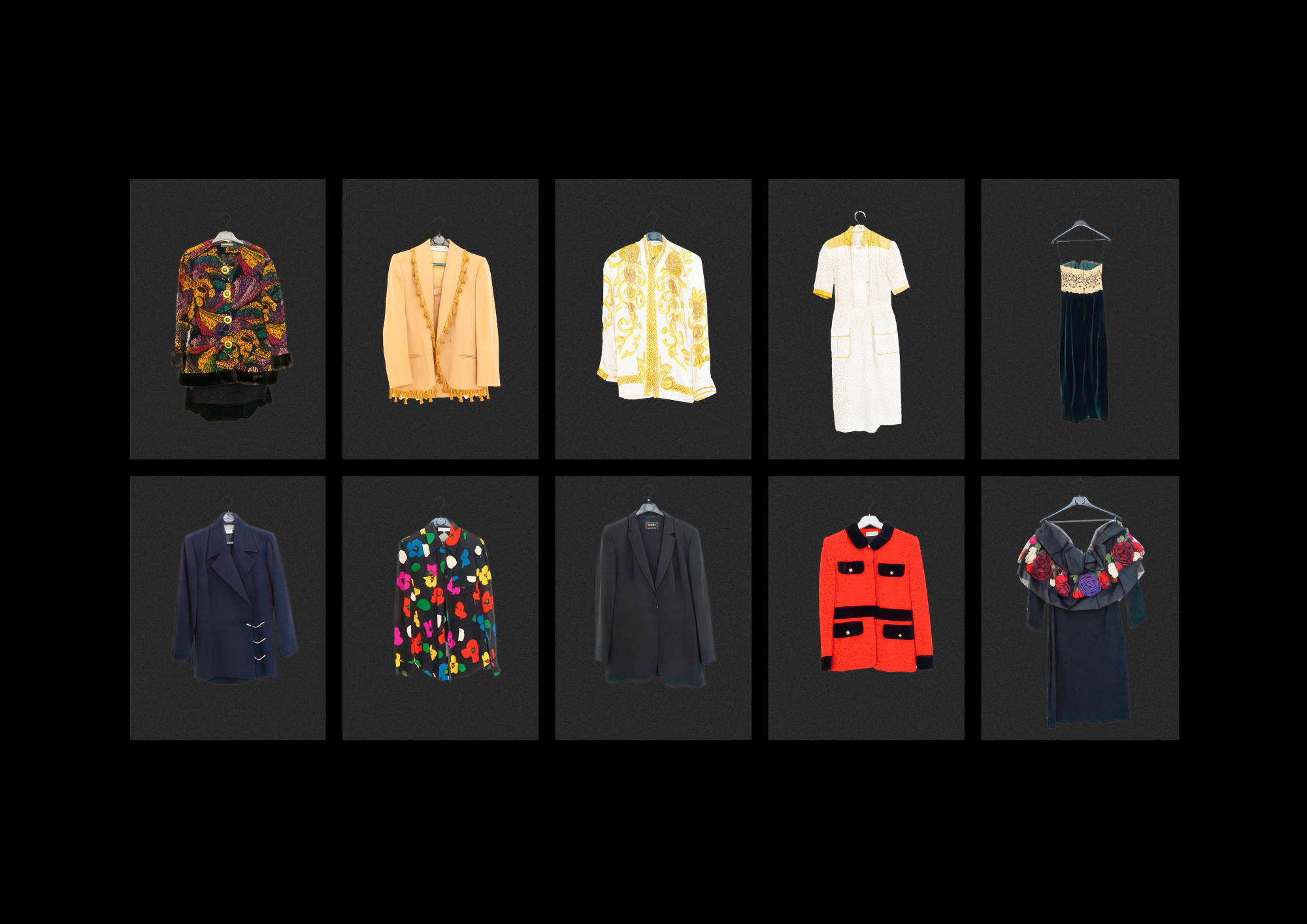
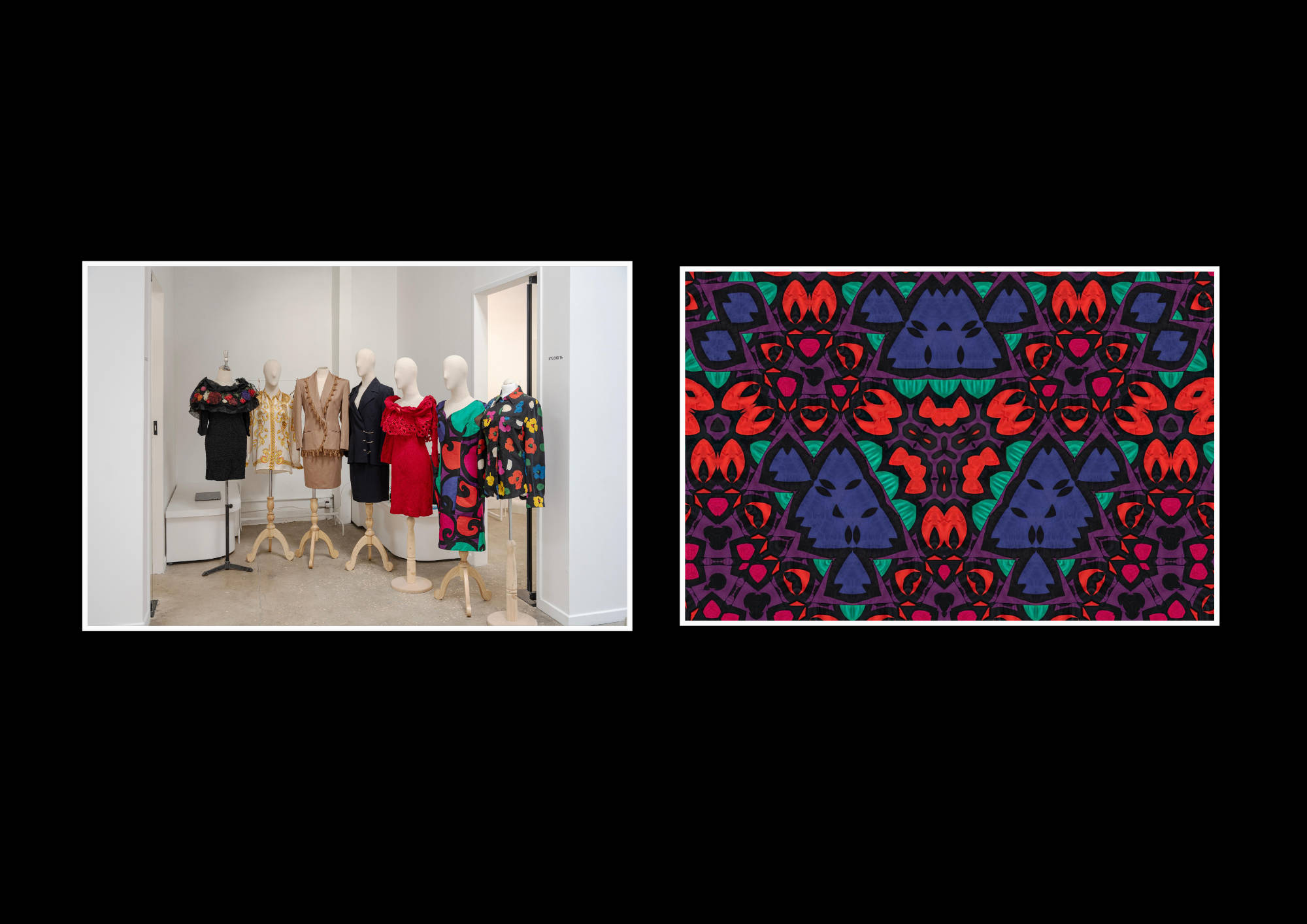
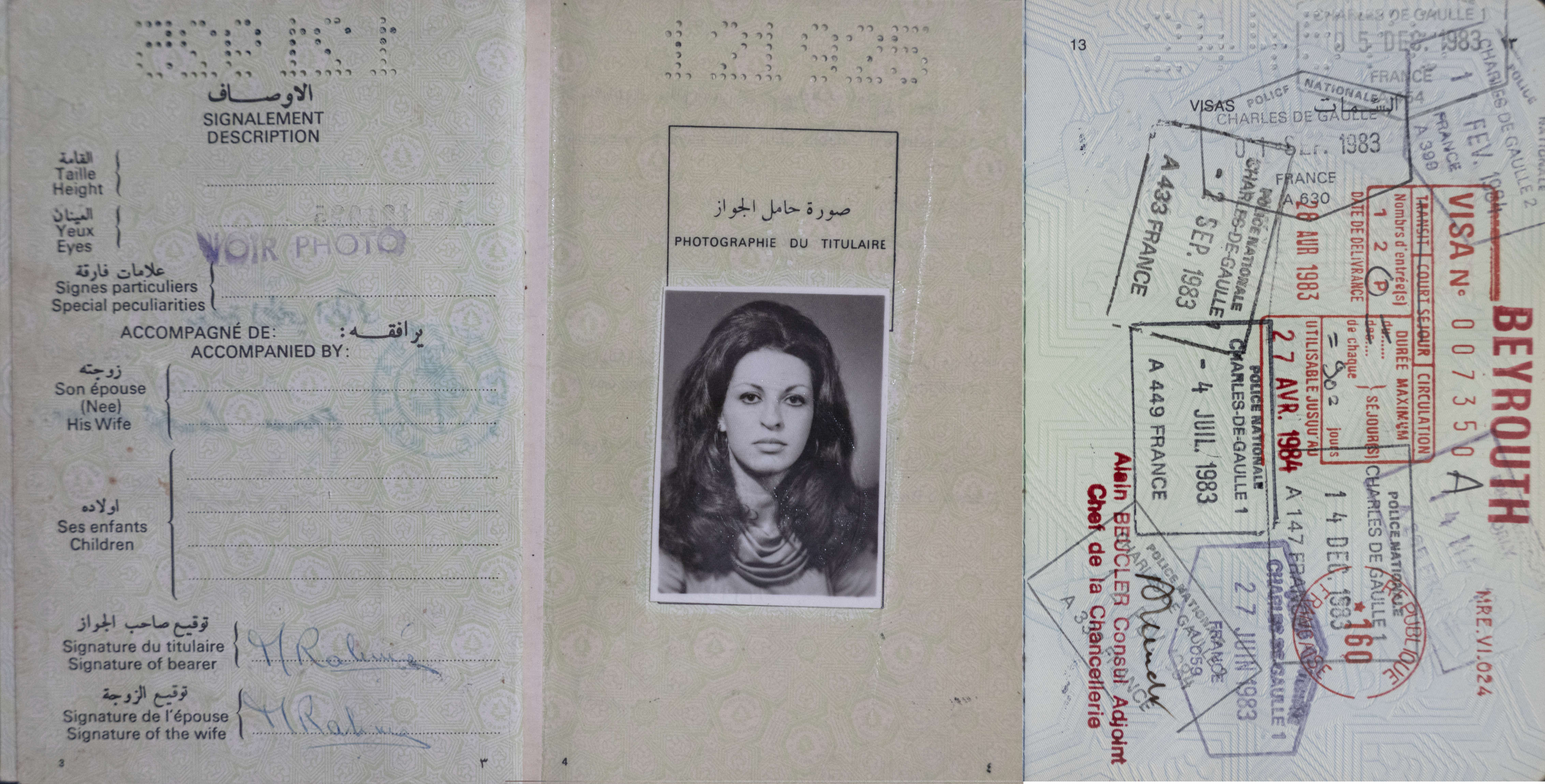
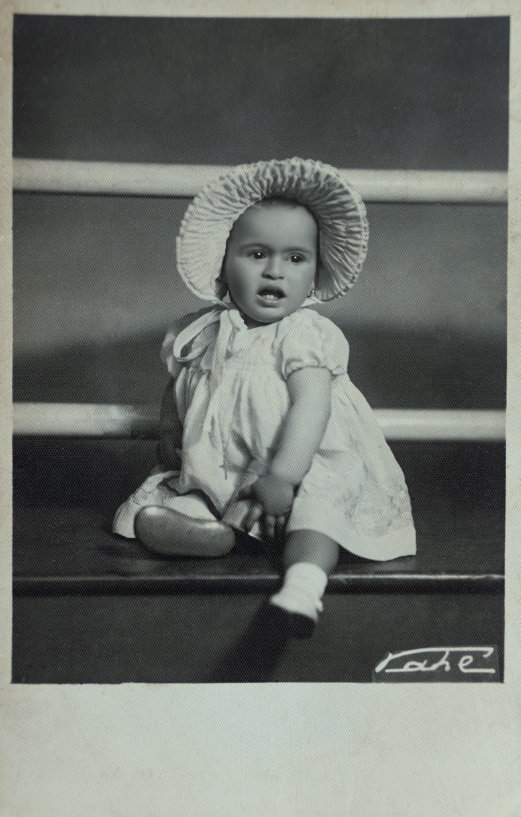
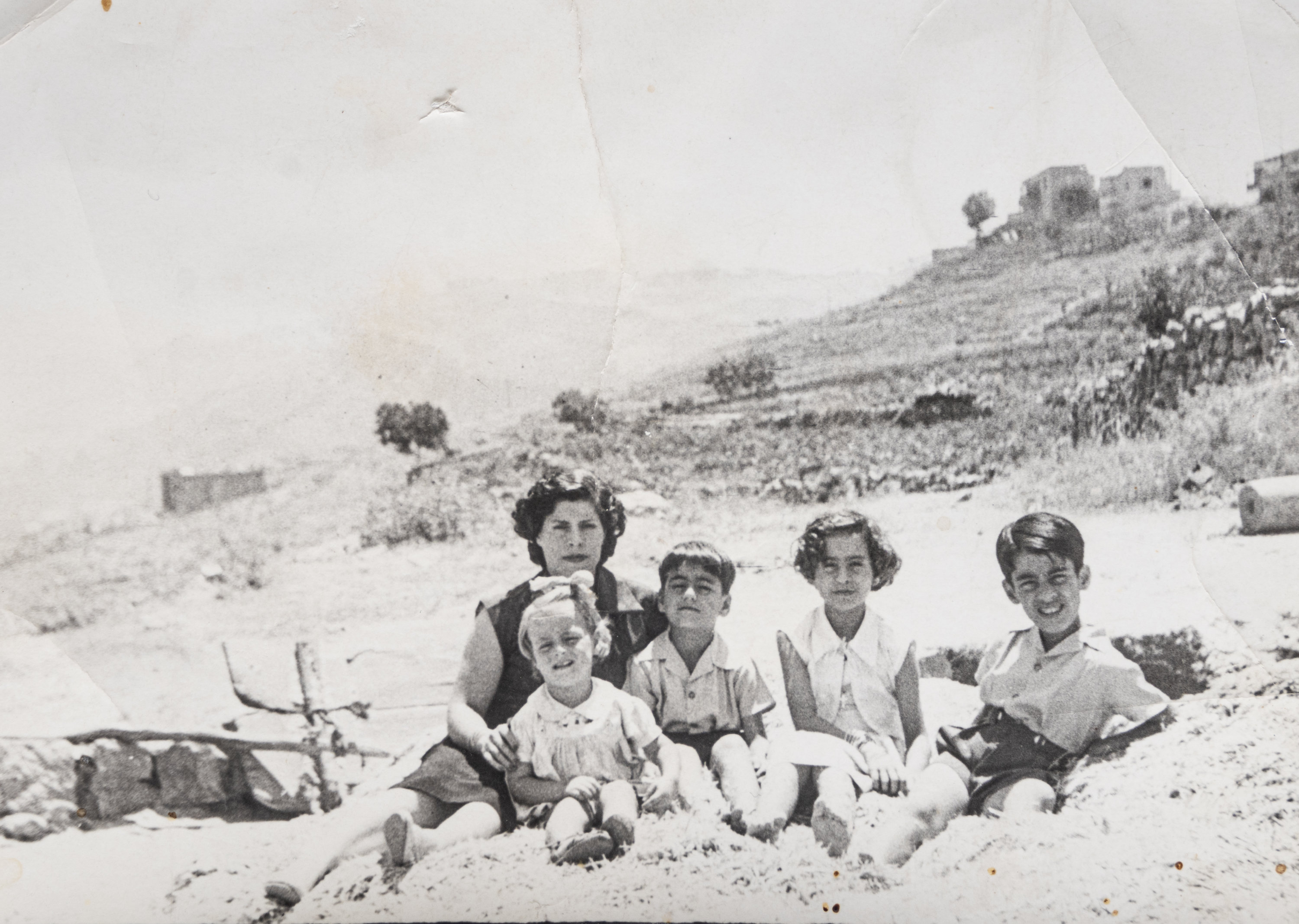
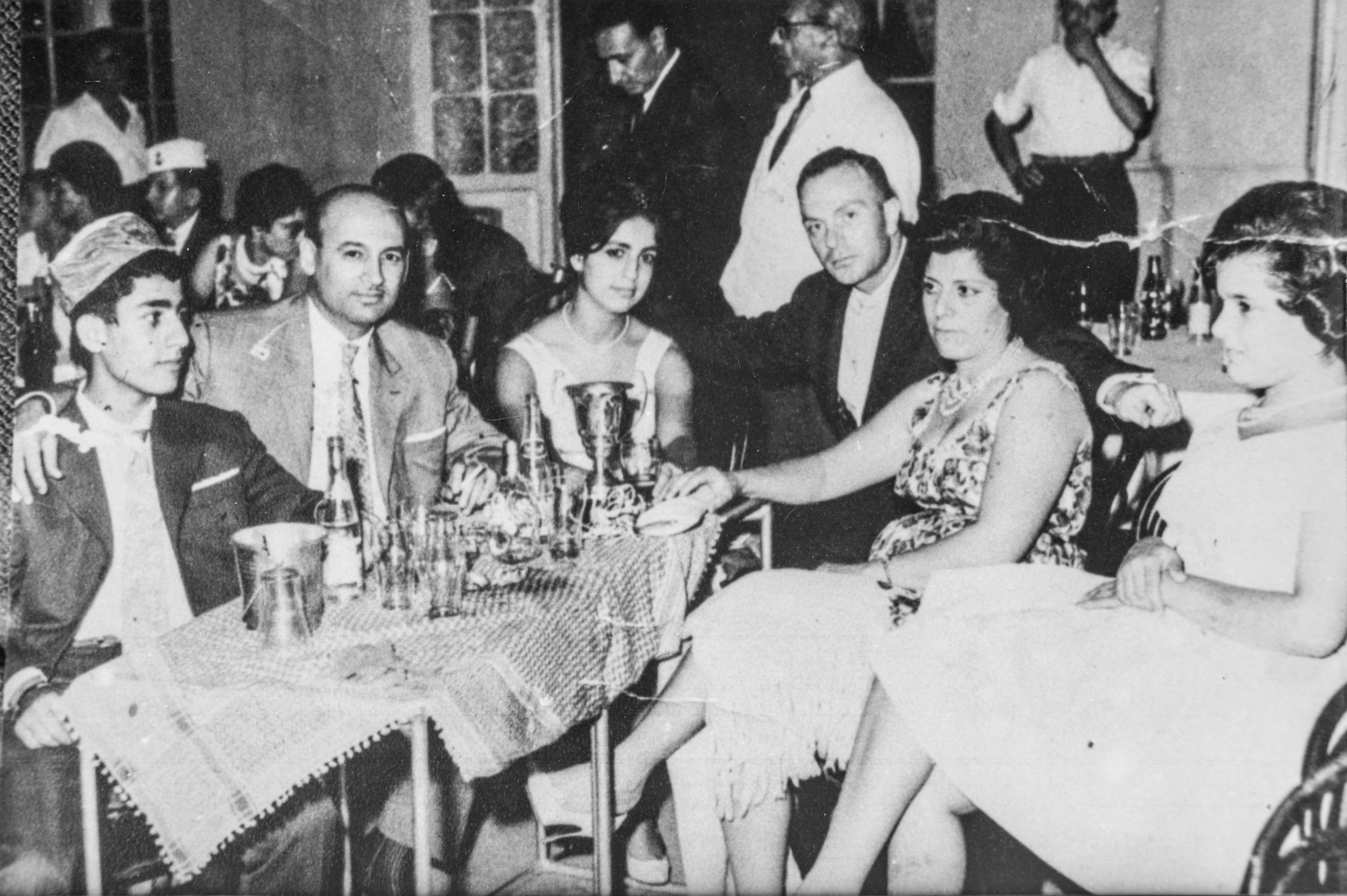
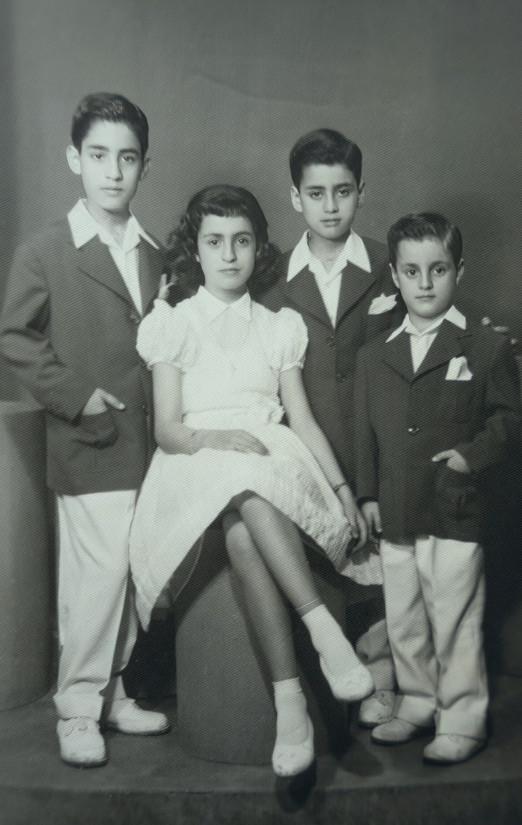
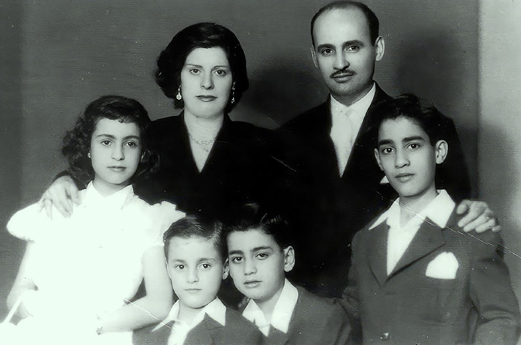
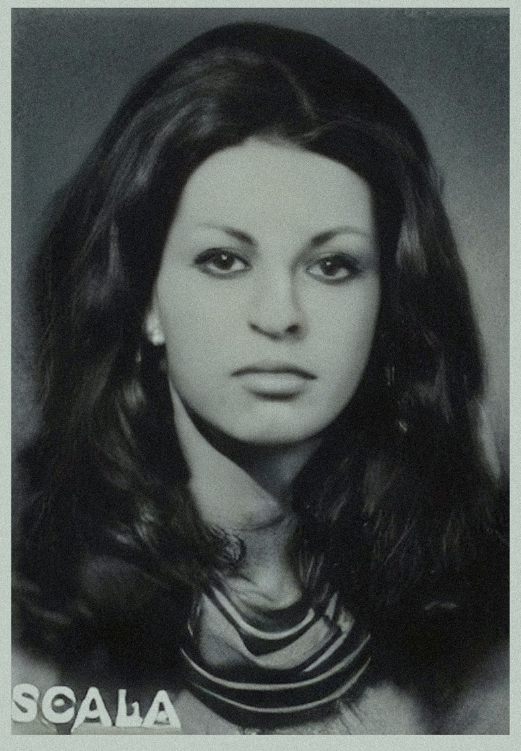
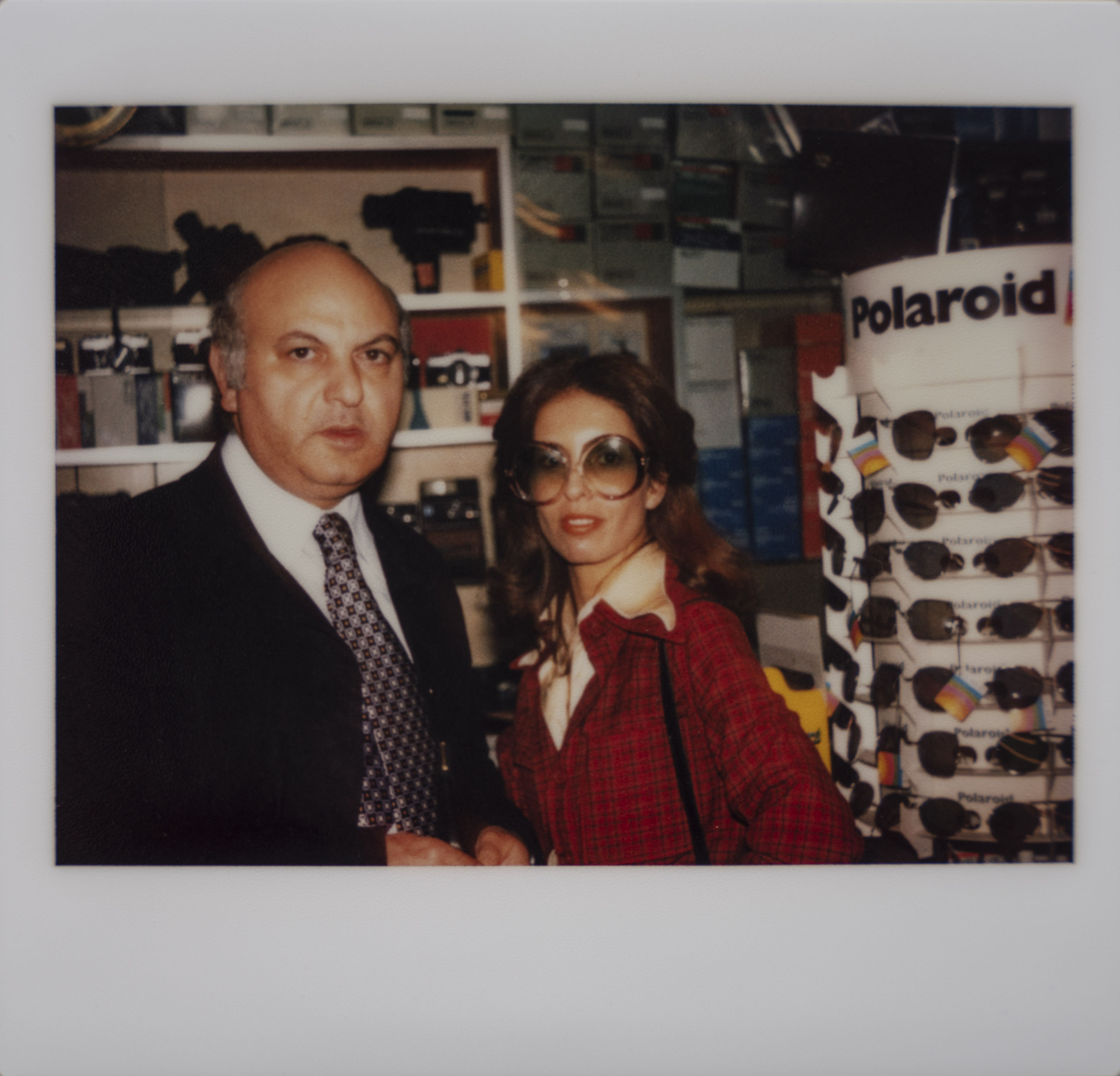
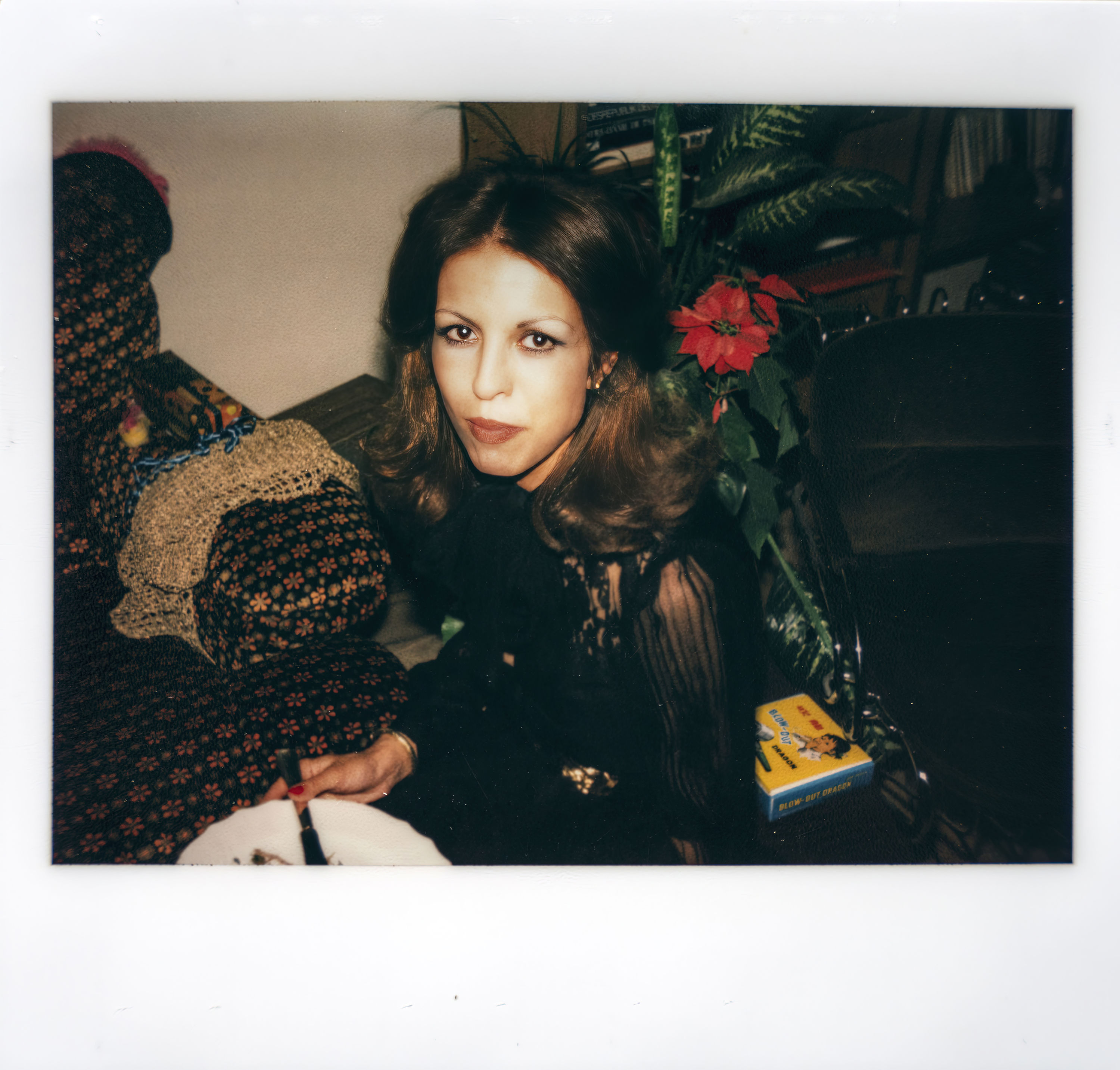
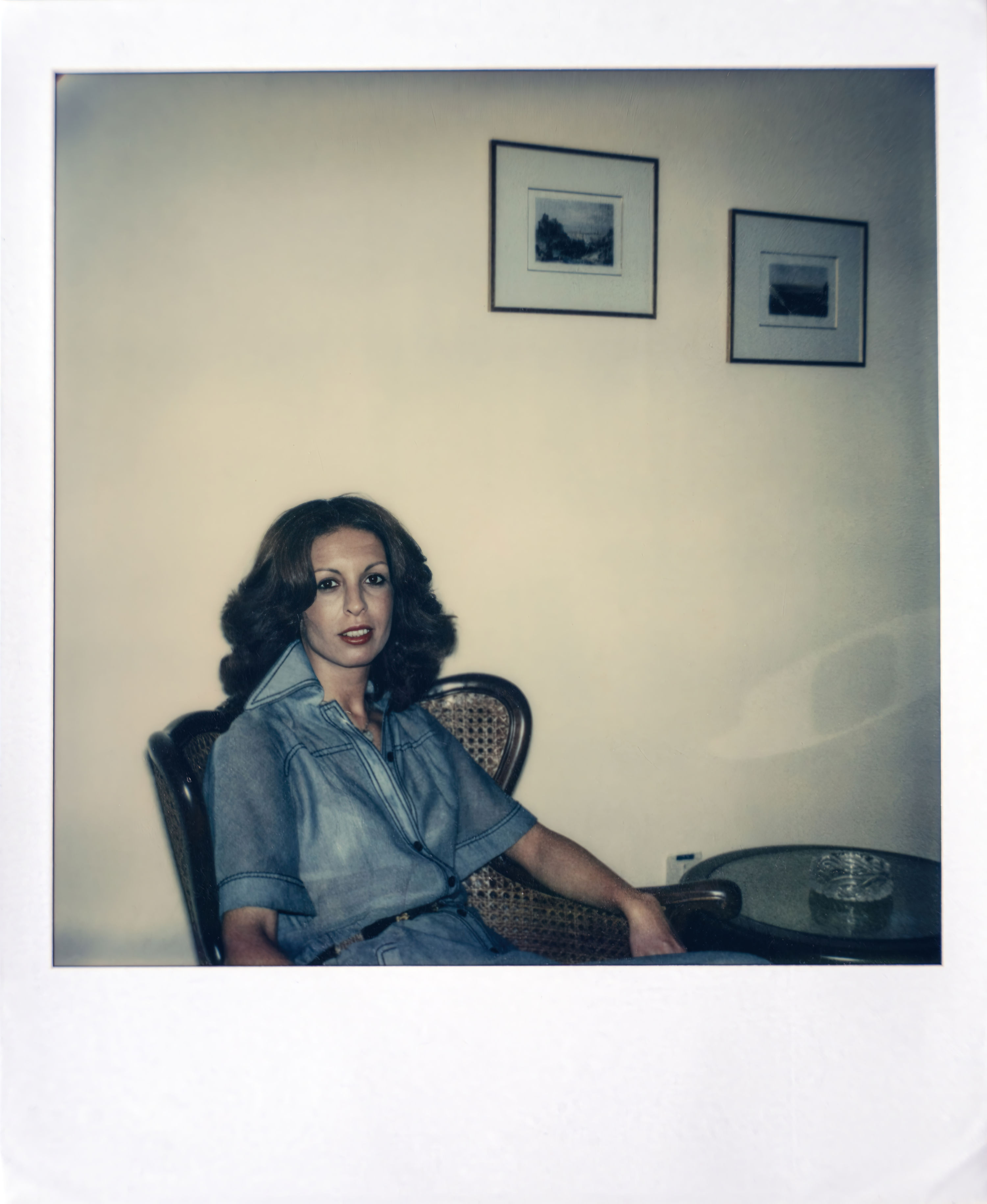
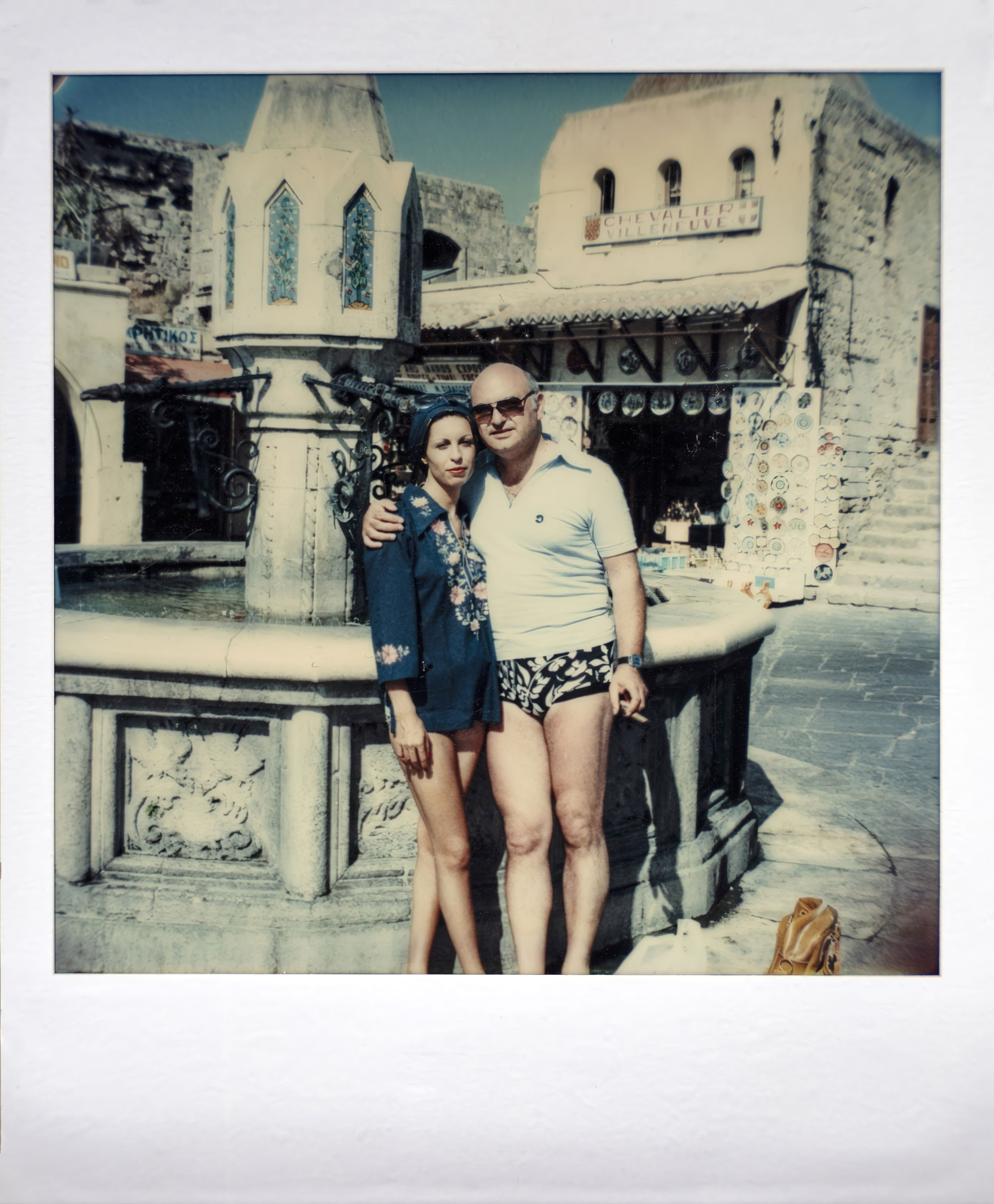
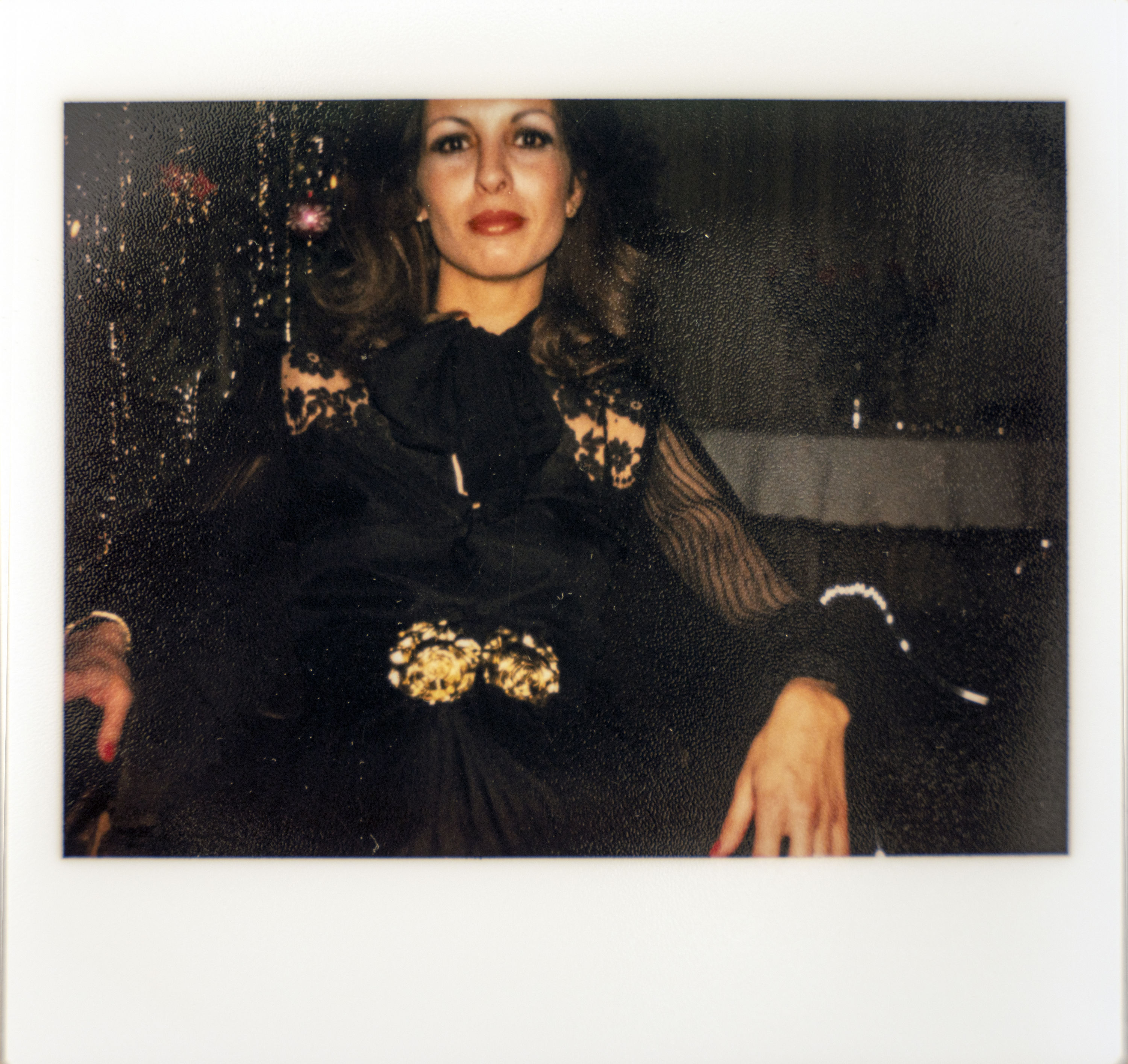
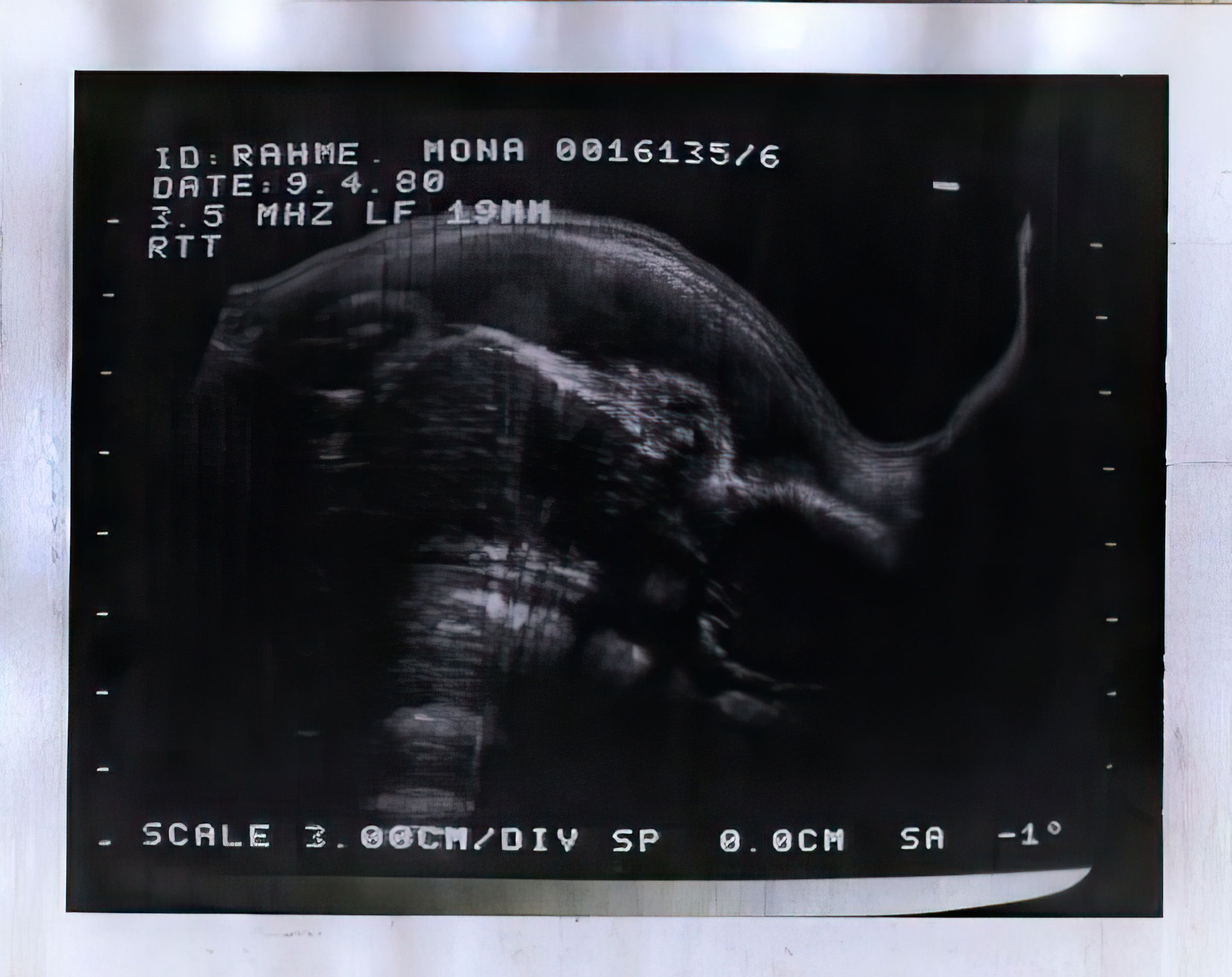
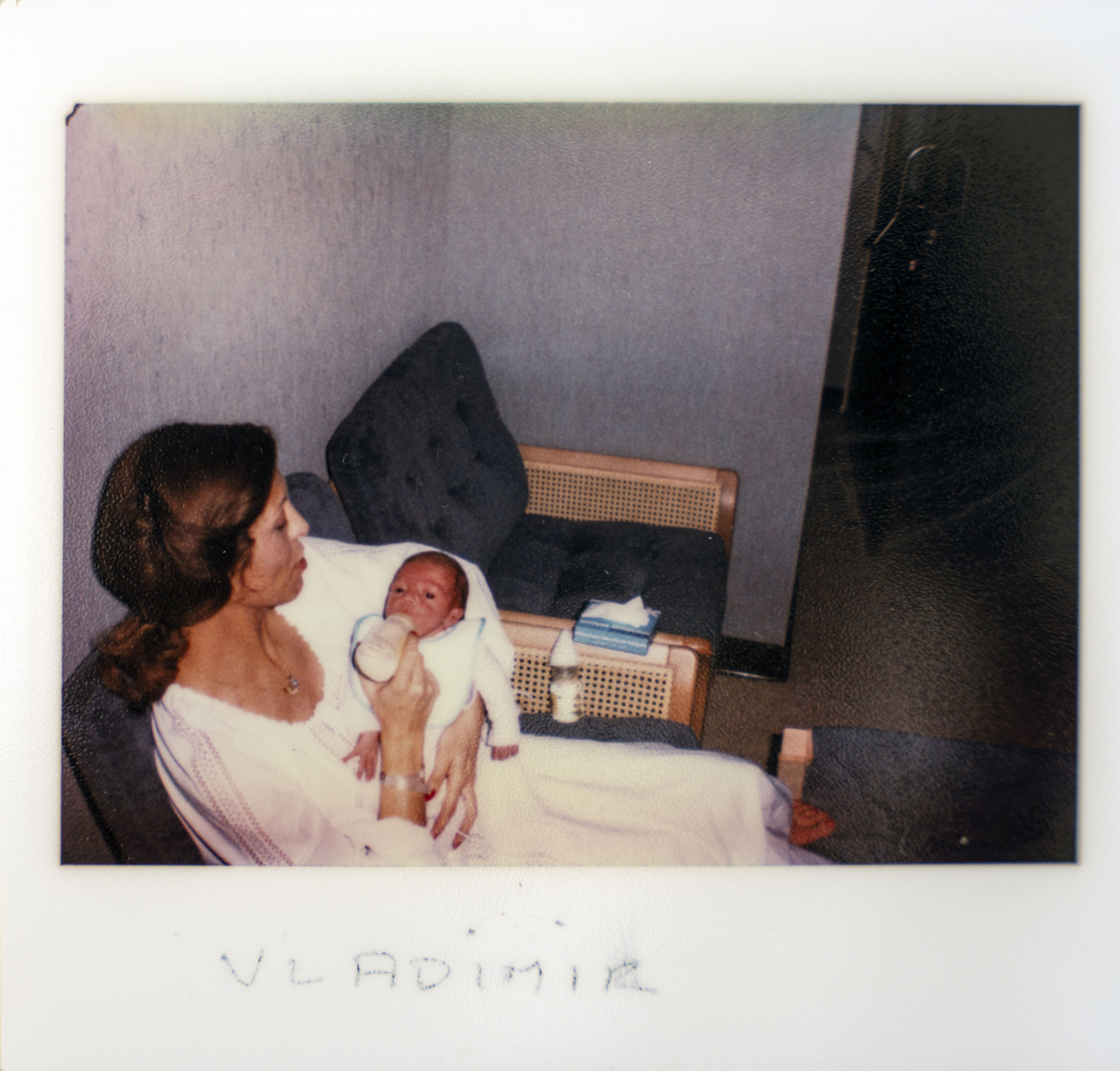
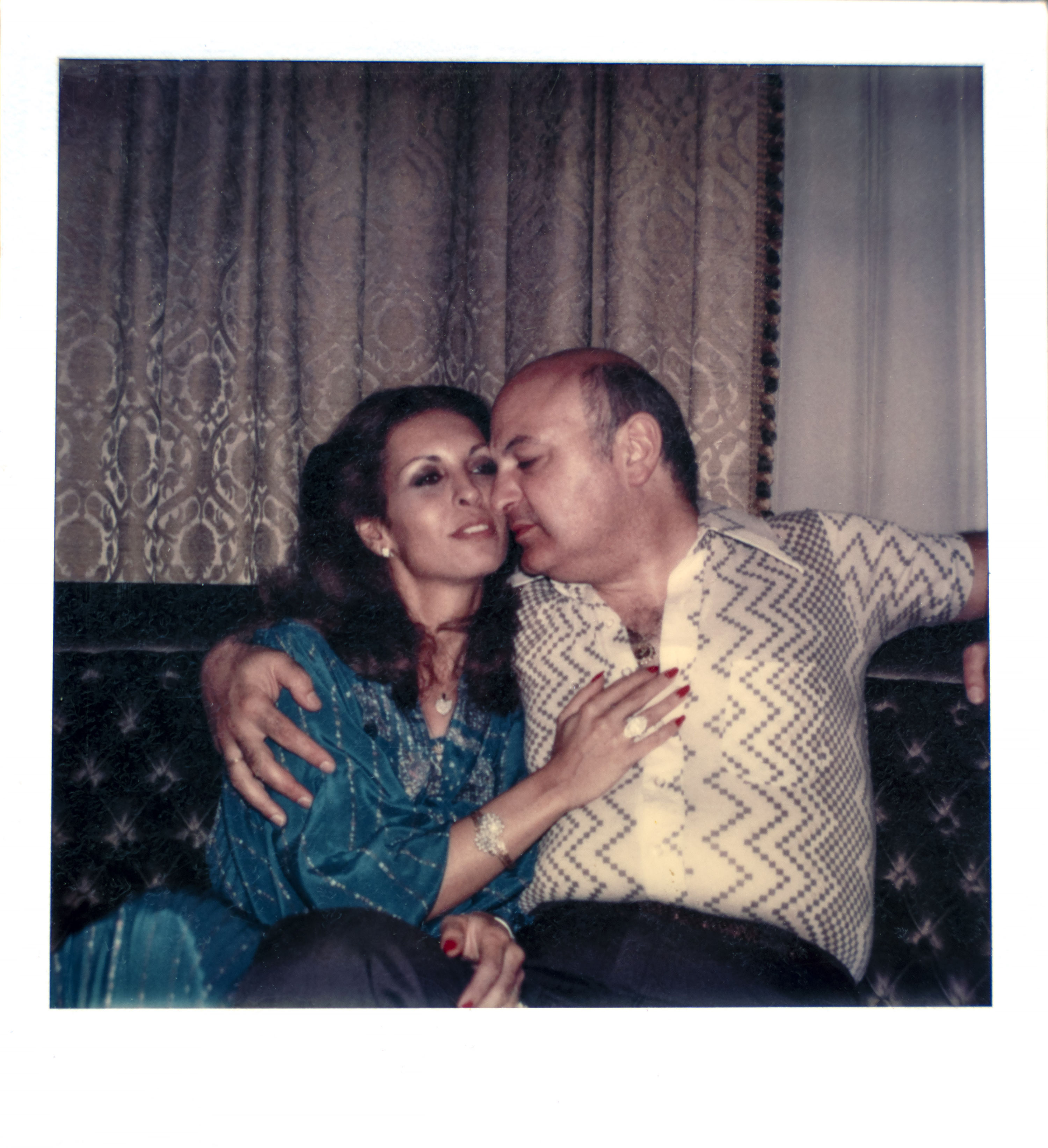
The images that follow form the heart of the Mona archive — personal photographs, official documents, and moments captured across the decades. Each image is a fragment of life, a material trace of time passing. These archives, covering five decades of travels, intimate moments and border crossings, form a constellation of memories that tell far more than a simple chronology: they tell of a presence, a silhouette, a way of being in the world.
Installation · Chapter Mona, Riyadh 2024 ✓
Manuscript · in preparation
Exhibition · forthcoming