This photographic series stands as a visual Trojan Horse, an artistic endeavor aiming to transcend the confessional divisions that have long marked Lebanon's history.
Cities, much like individuals, carry scars. They linger on walls and facades, embedded in streets and stones, as traces of histories both lived and endured. Beirut's wounds may appear recent, yet the city possesses a troubling ability to rebuild quickly, sometimes at the cost of memory itself. In an era increasingly defined by homogenization, independent shops disappear beneath the weight of global retail chains, neighborhoods lose their singularity, and the imperfect textures of older cities give way to anonymous glass towers.
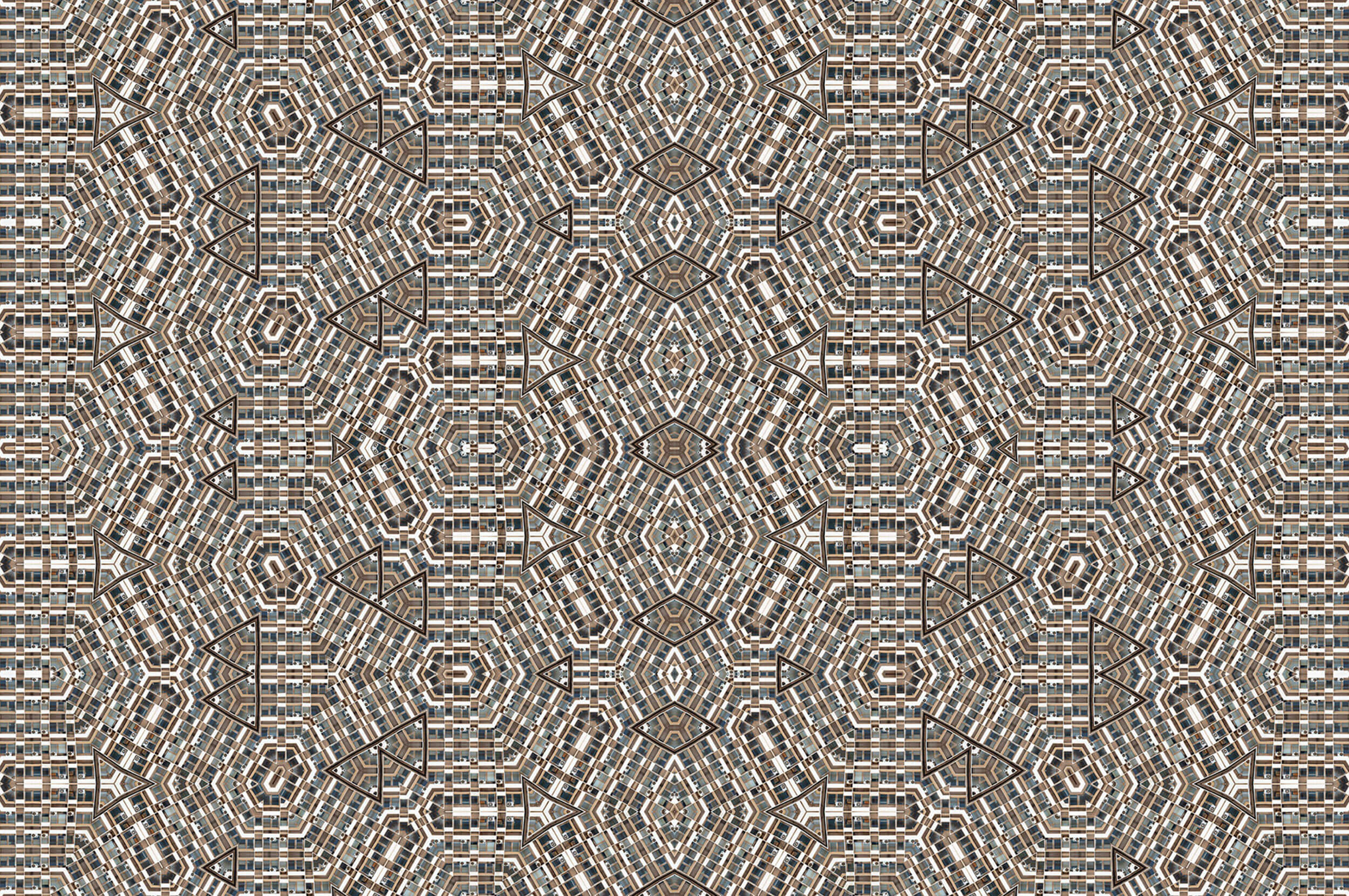
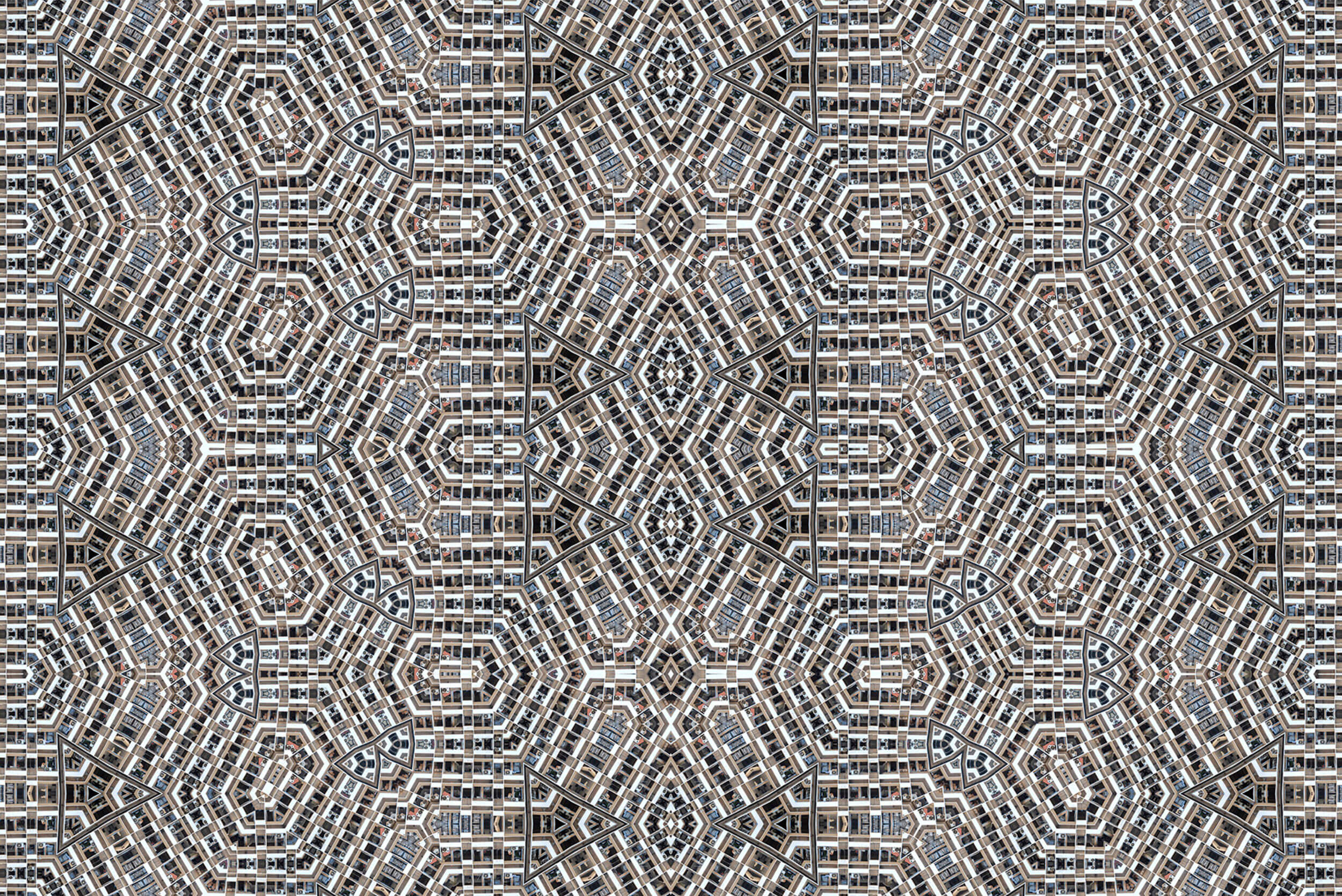
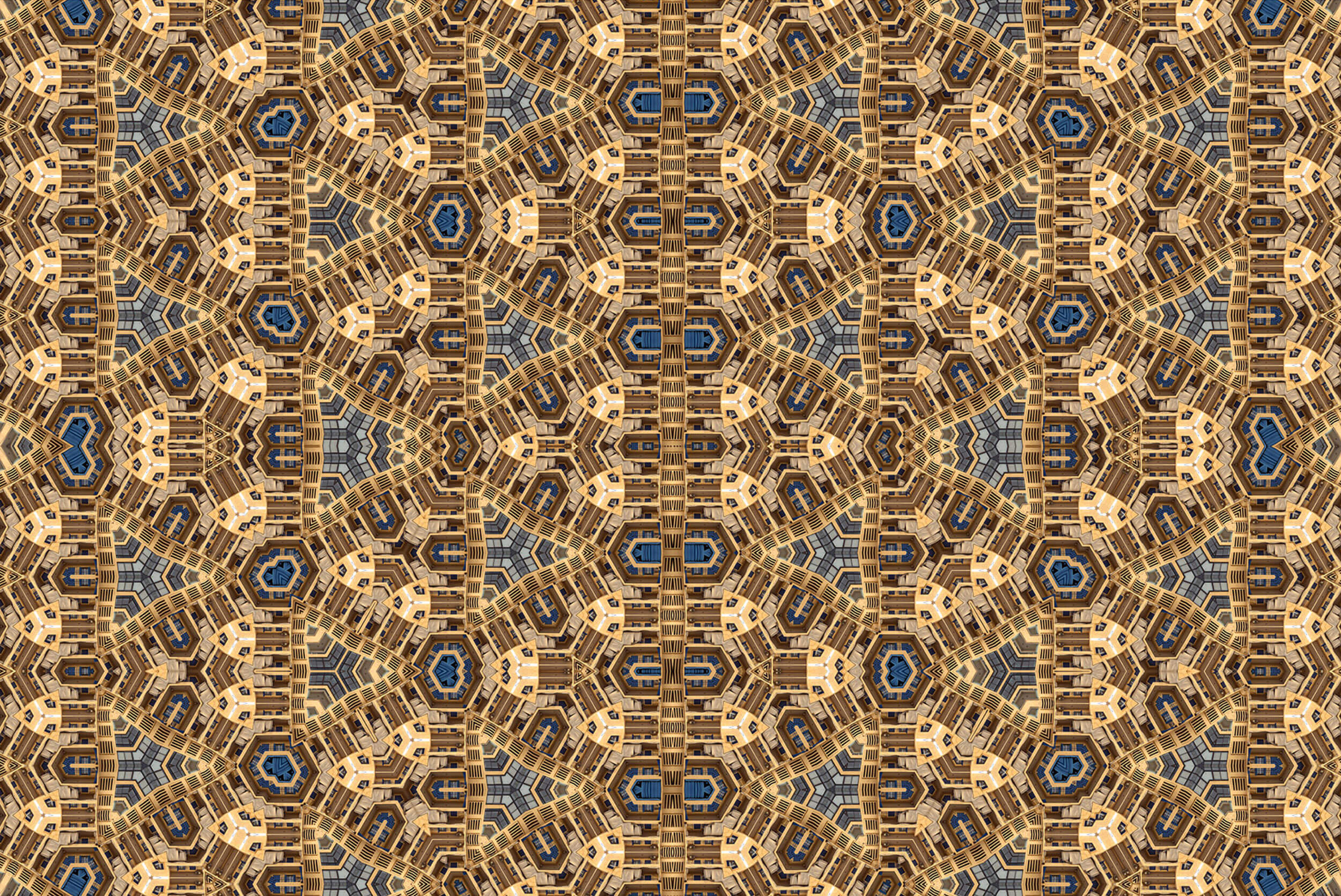
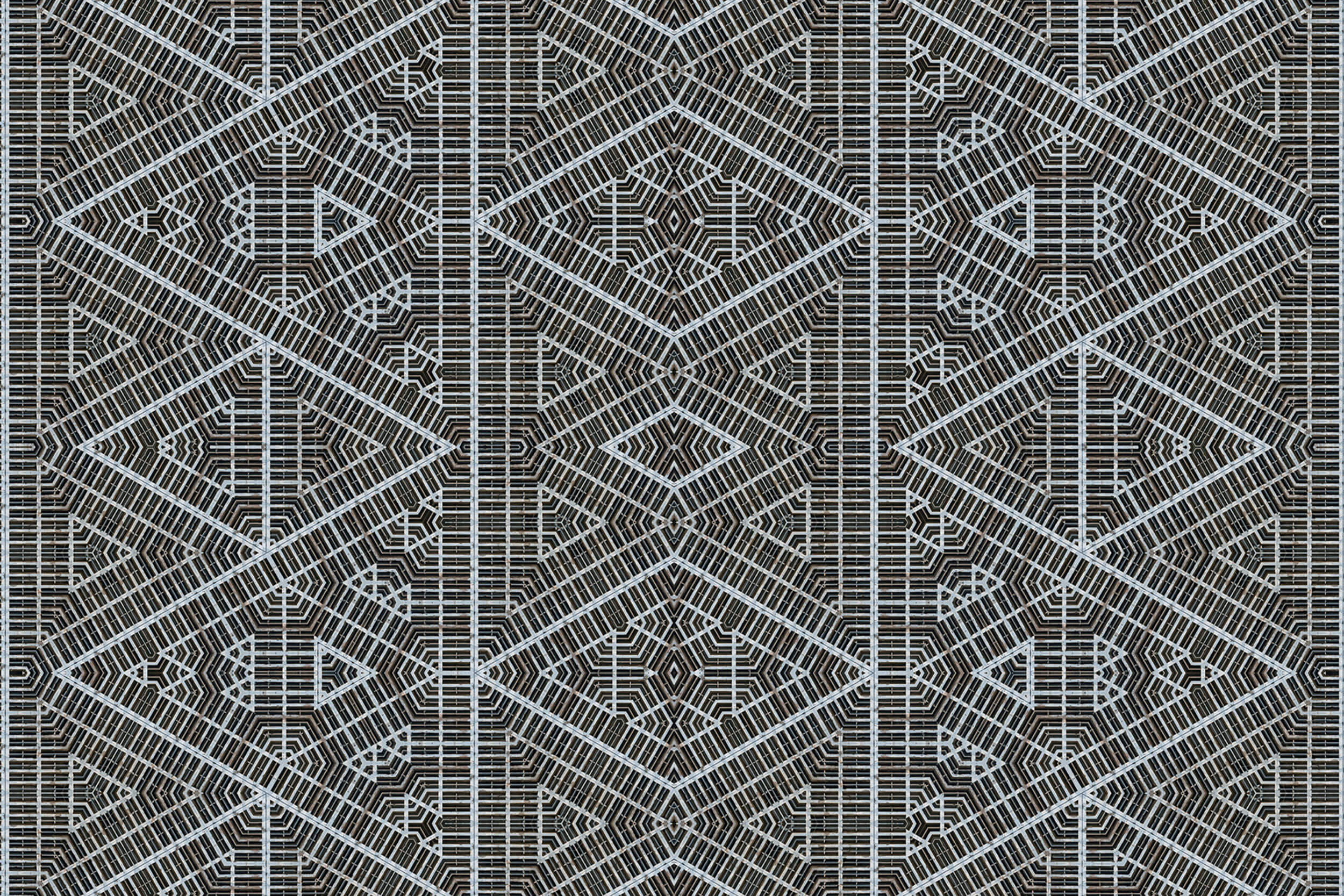
Beyrouth, Mon Amour is both a love letter and an act of preservation. Through his lens, Vladimir Antaki finds beauty in chipped paint, weathered facades, and cracked walls—surfaces that bear witness to Beirut's layered history. But beyond documenting the city's poetic decay, the series carries a deeper ambition: to challenge the invisible borders that continue to divide Lebanon along confessional lines.
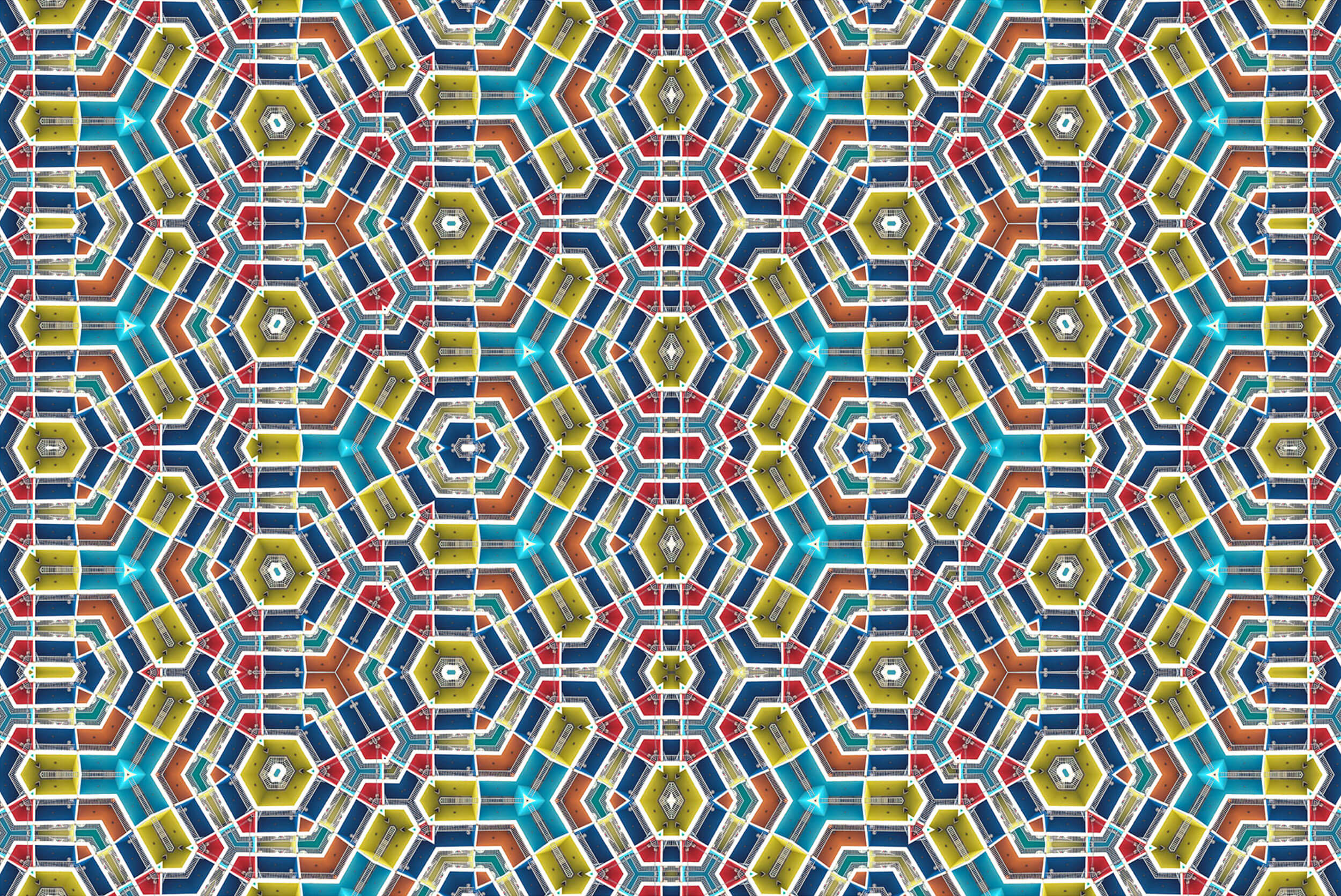
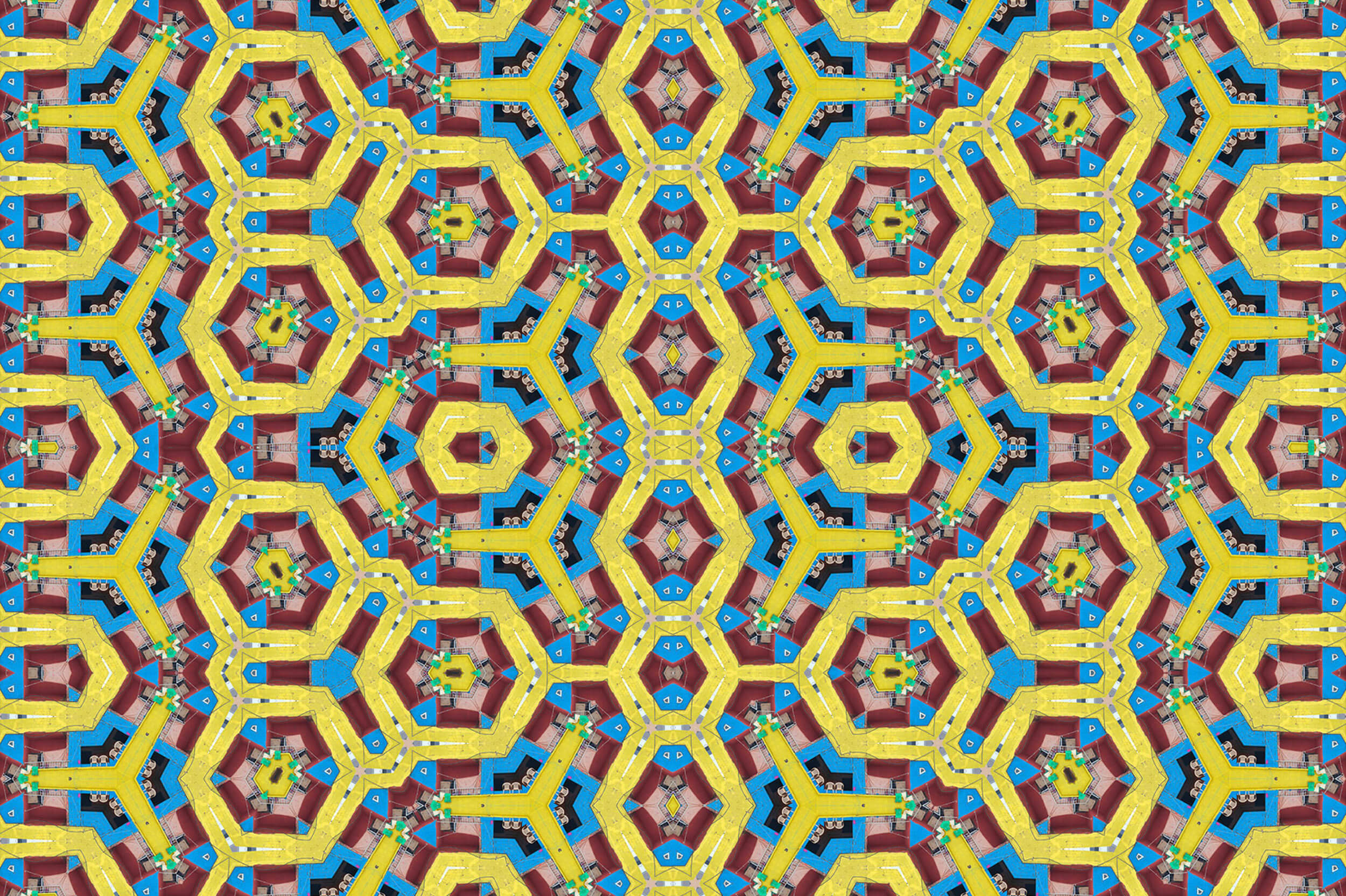
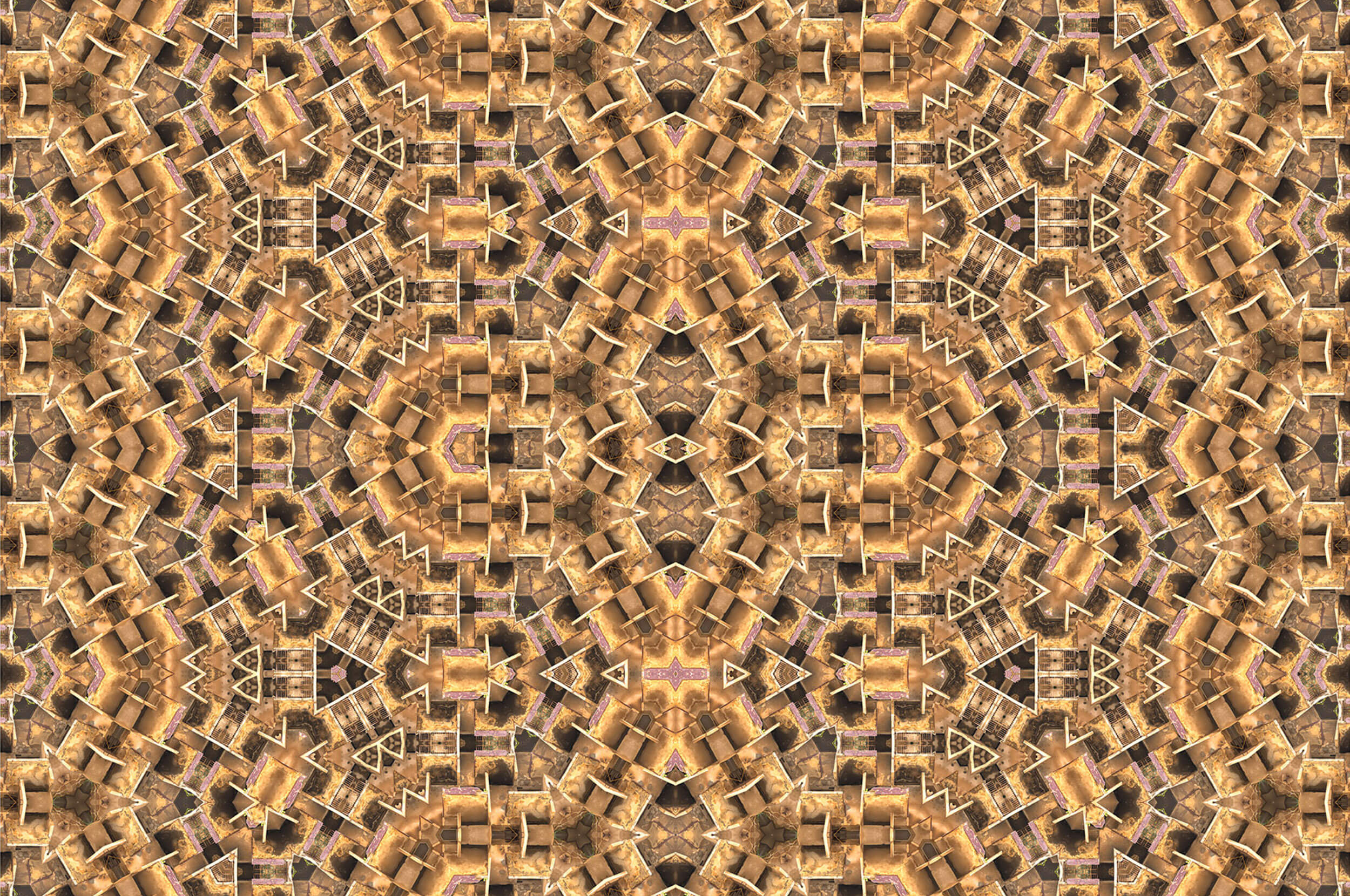
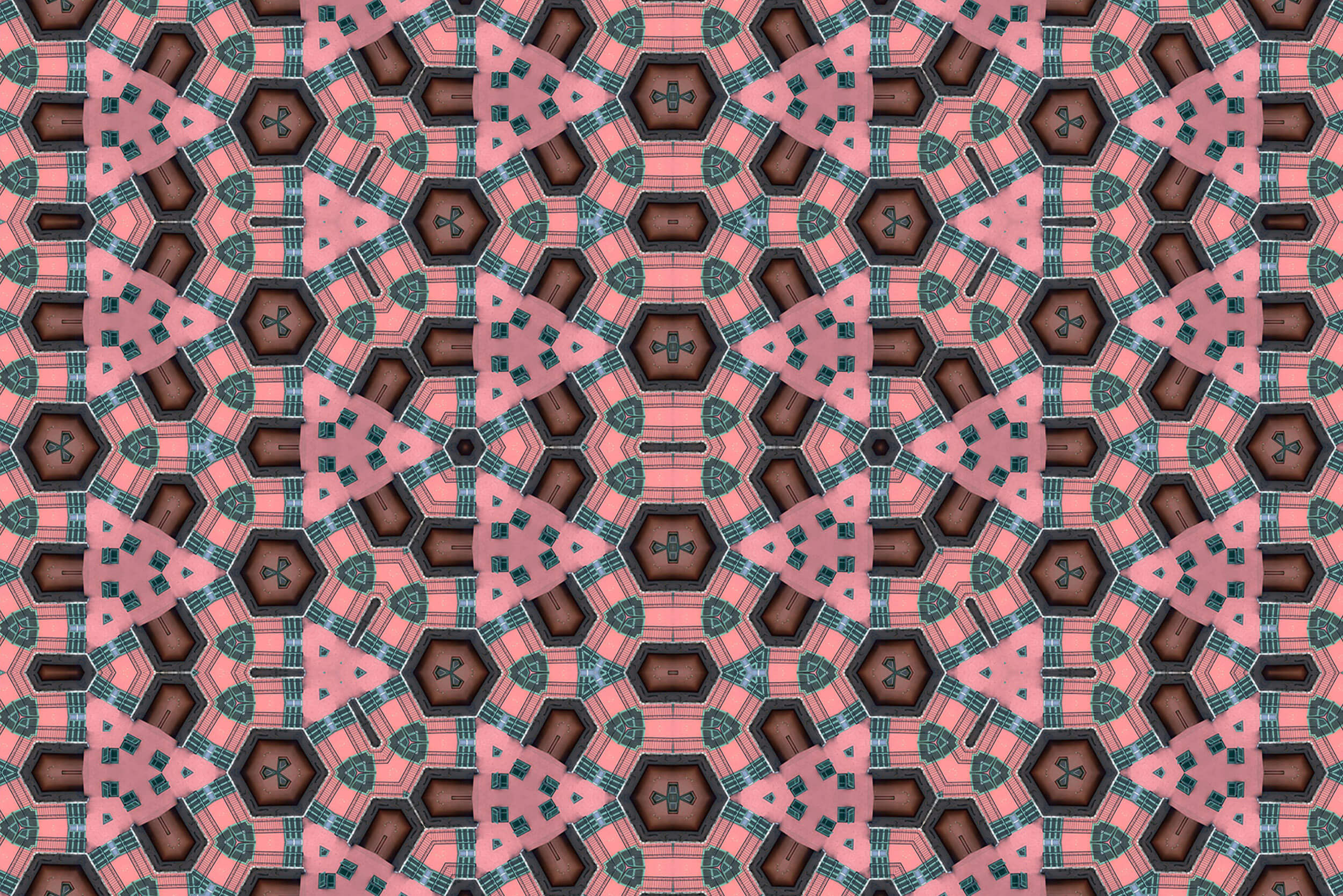
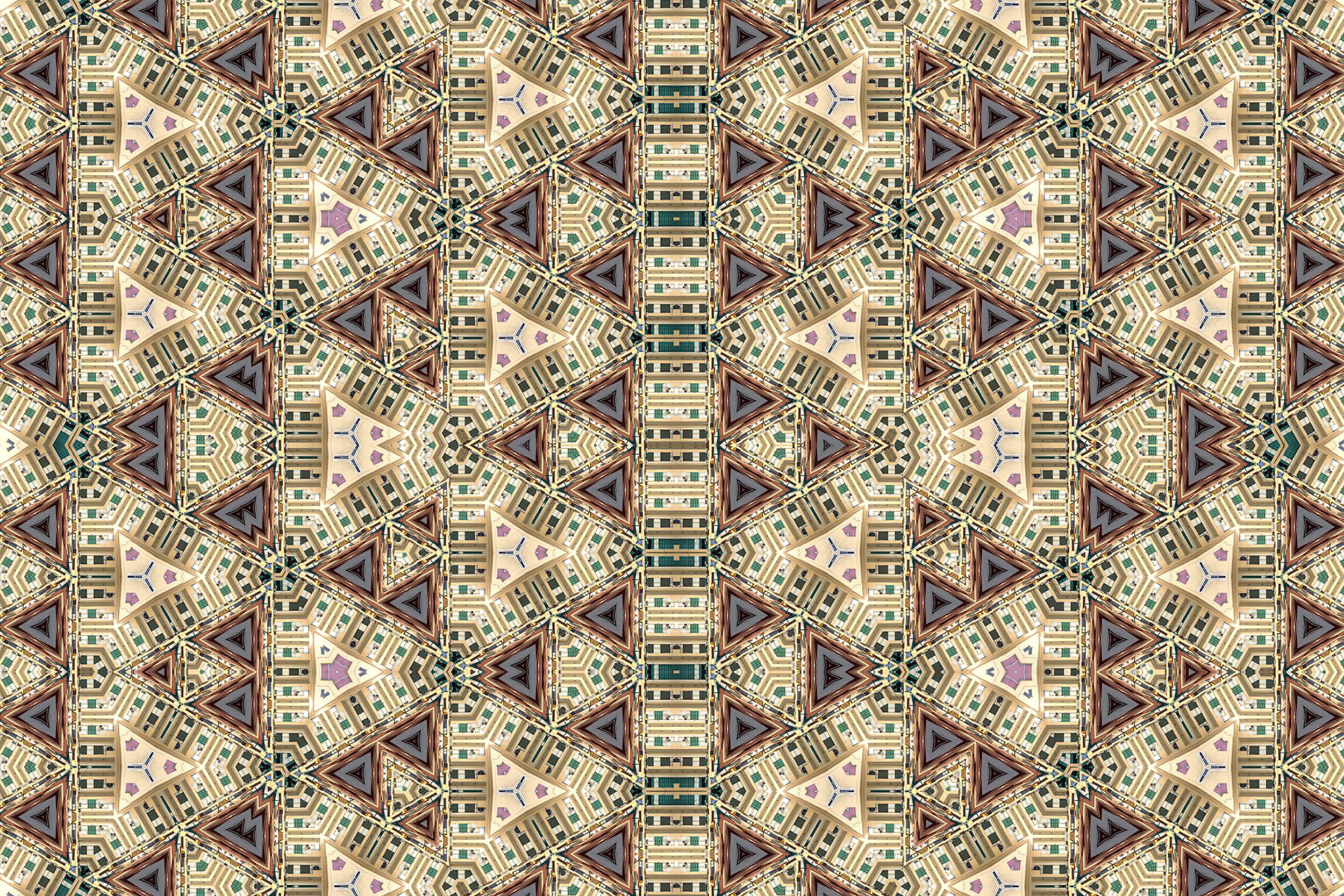
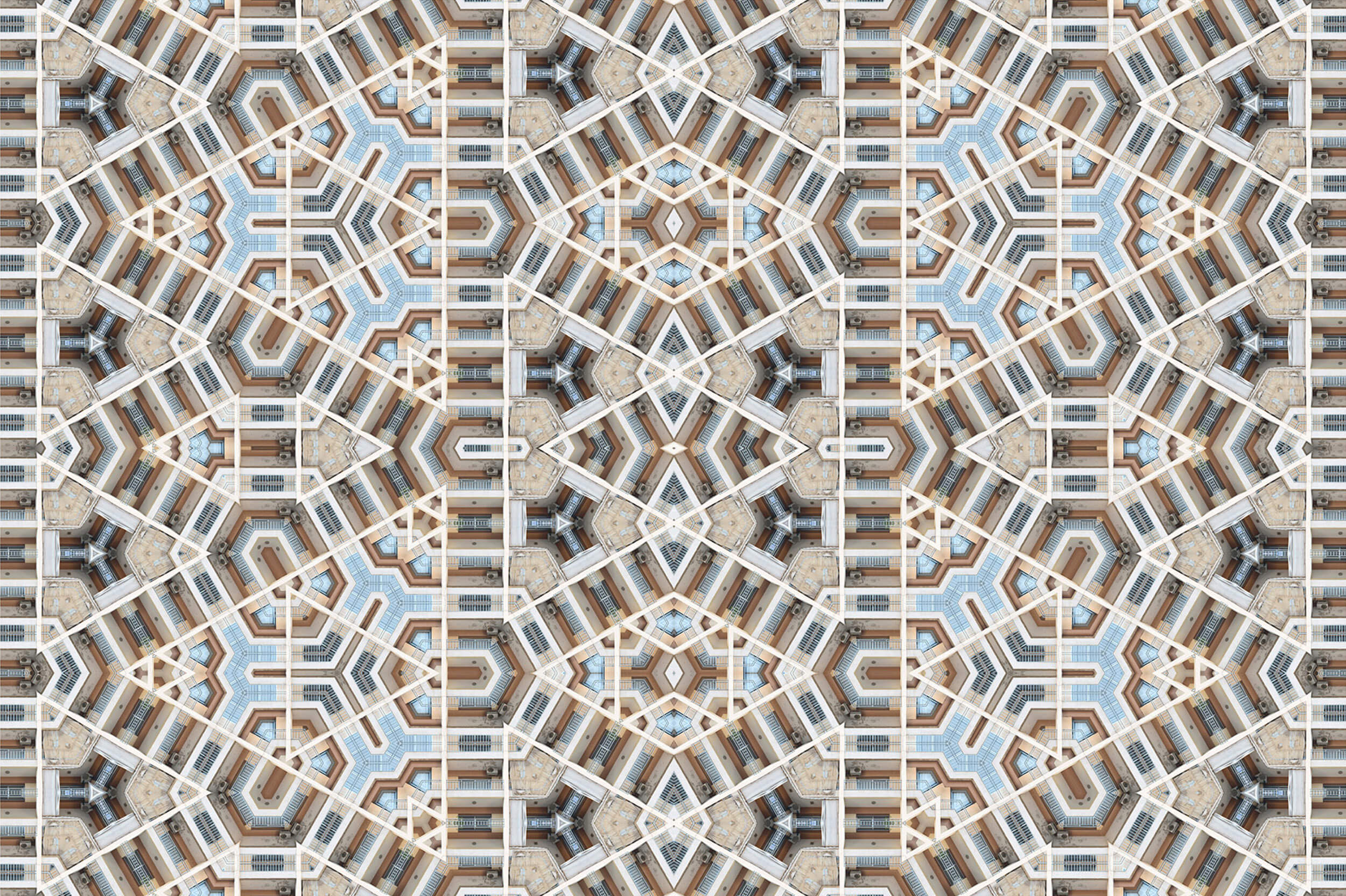
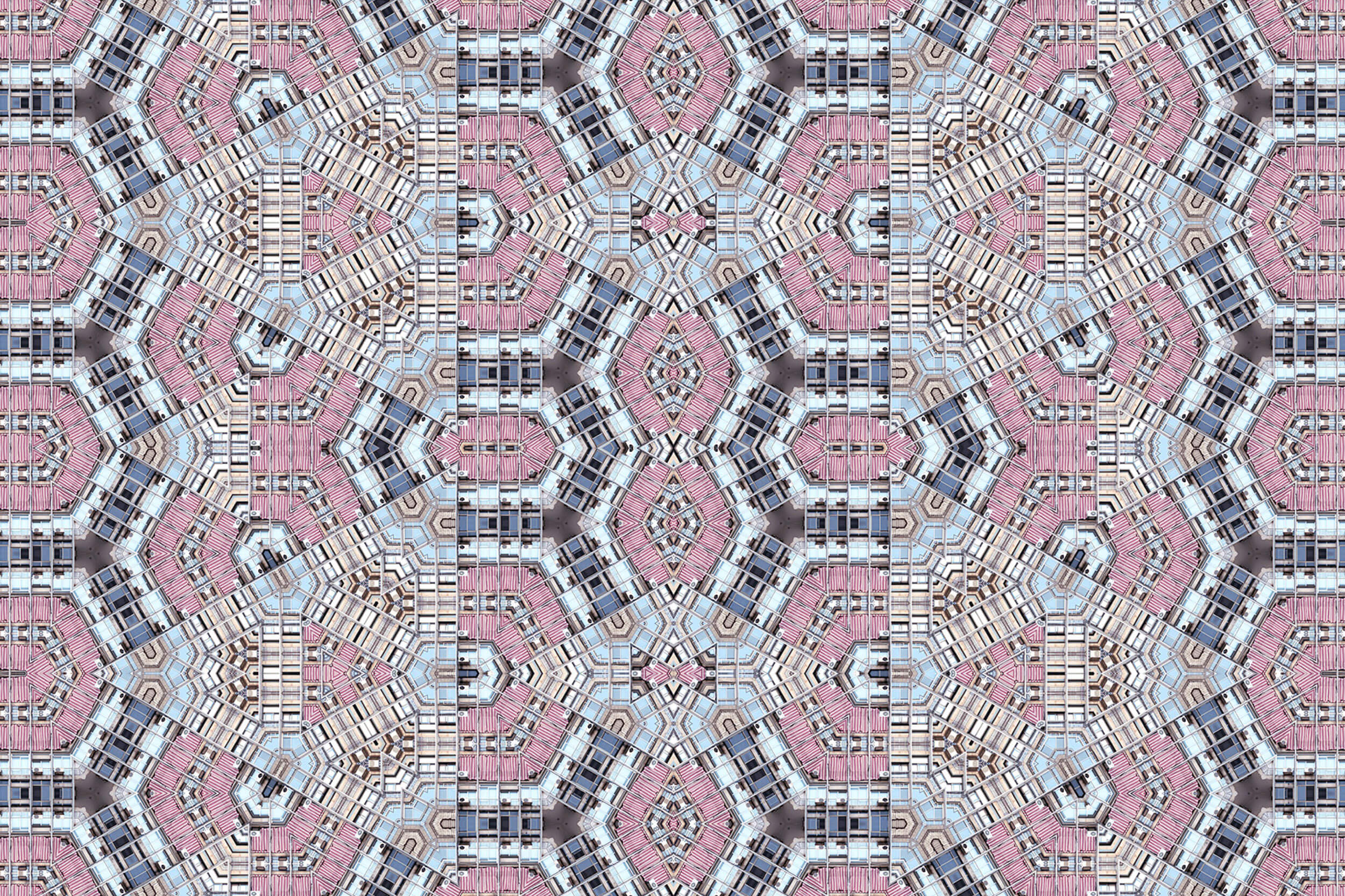
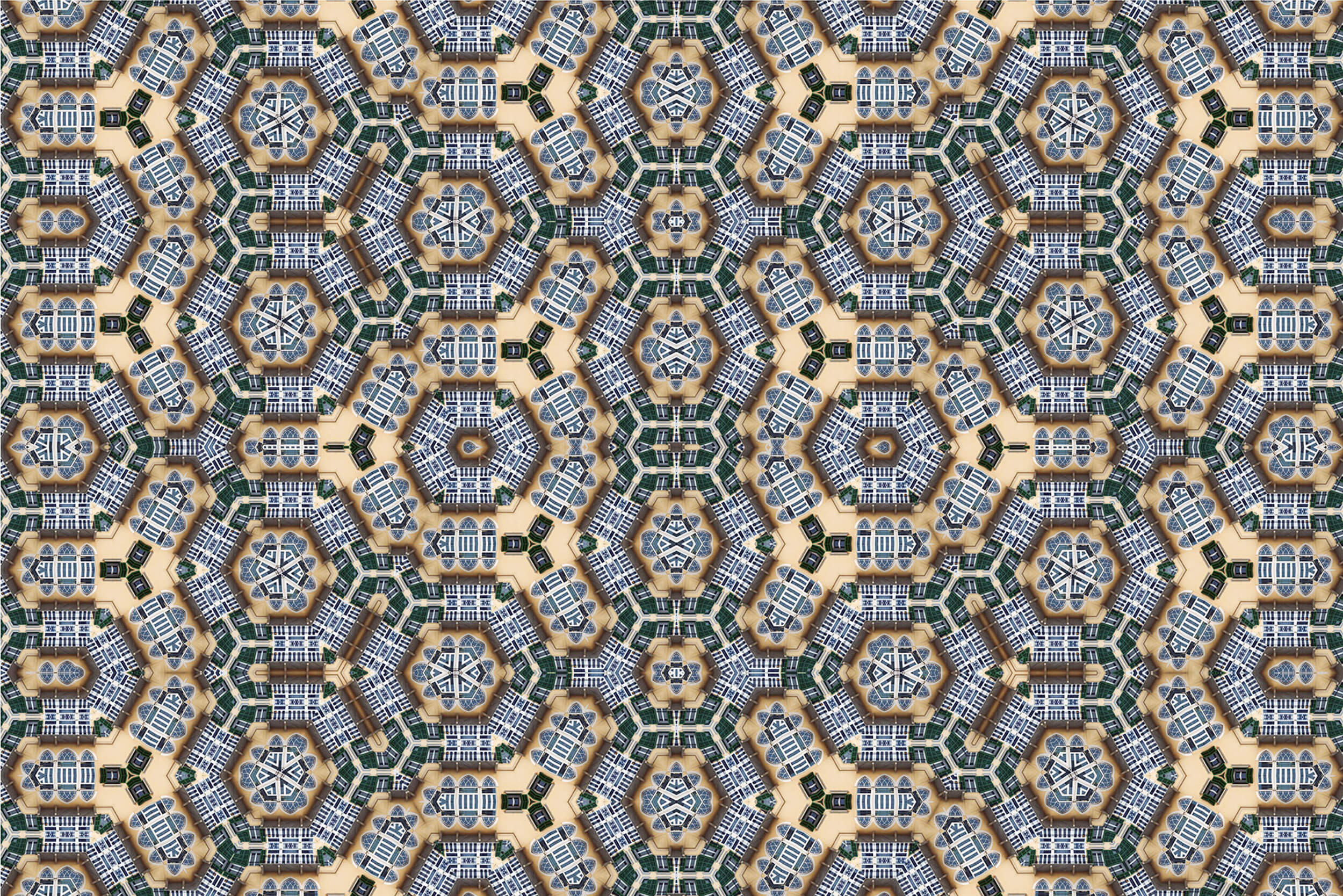
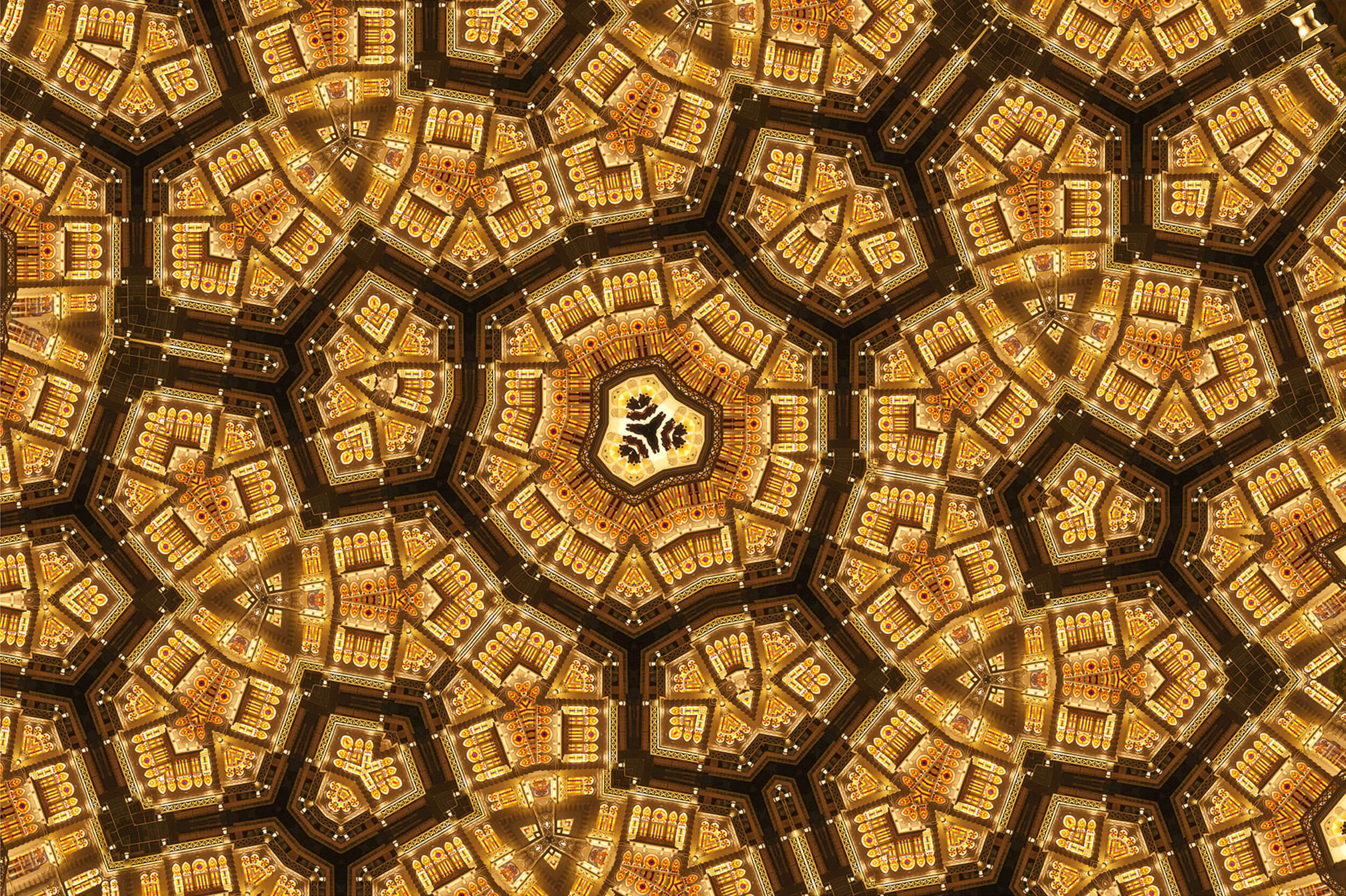
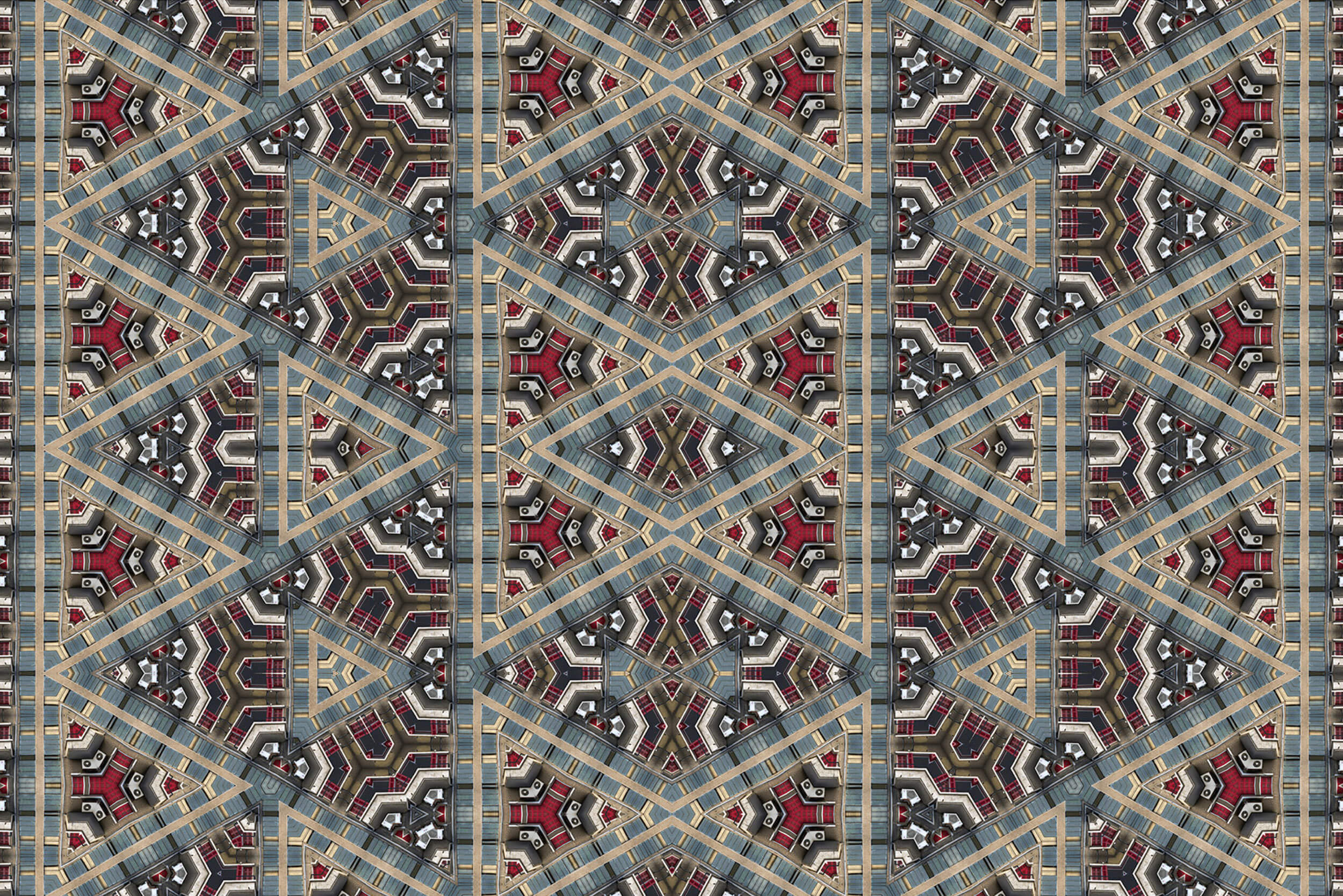
In a country composed of eighteen officially recognized religious communities, geography itself often becomes fragmented. Neighborhoods inherit identities, territories become symbolic, and divisions persist long after conflict subsides. In response, Antaki photographs facades throughout Beirut and transforms them into visual compositions reminiscent of traditional Arab mosaics. Through this process, the original locations become deliberately unrecognizable. Architecture is stripped of its sectarian associations and reassembled into a unified visual language. Each facade becomes a fragment of a larger collective body.
By dissolving markers of place and denomination, Beyrouth, Mon Amour seeks to create a space where Beirut can be perceived beyond inherited divisions. The work proposes another way of looking at the city—not as a fractured territory, but as a shared emotional and cultural landscape.
At a time when the physical traces of the past are rapidly disappearing, the series insists on the necessity of remembering before erasure takes hold. It reflects simultaneously on memory, identity, loss, and continuity. In doing so, Beyrouth, Mon Amour becomes not only a portrait of Beirut, but also a meditation on what still binds its people together despite history's fractures.
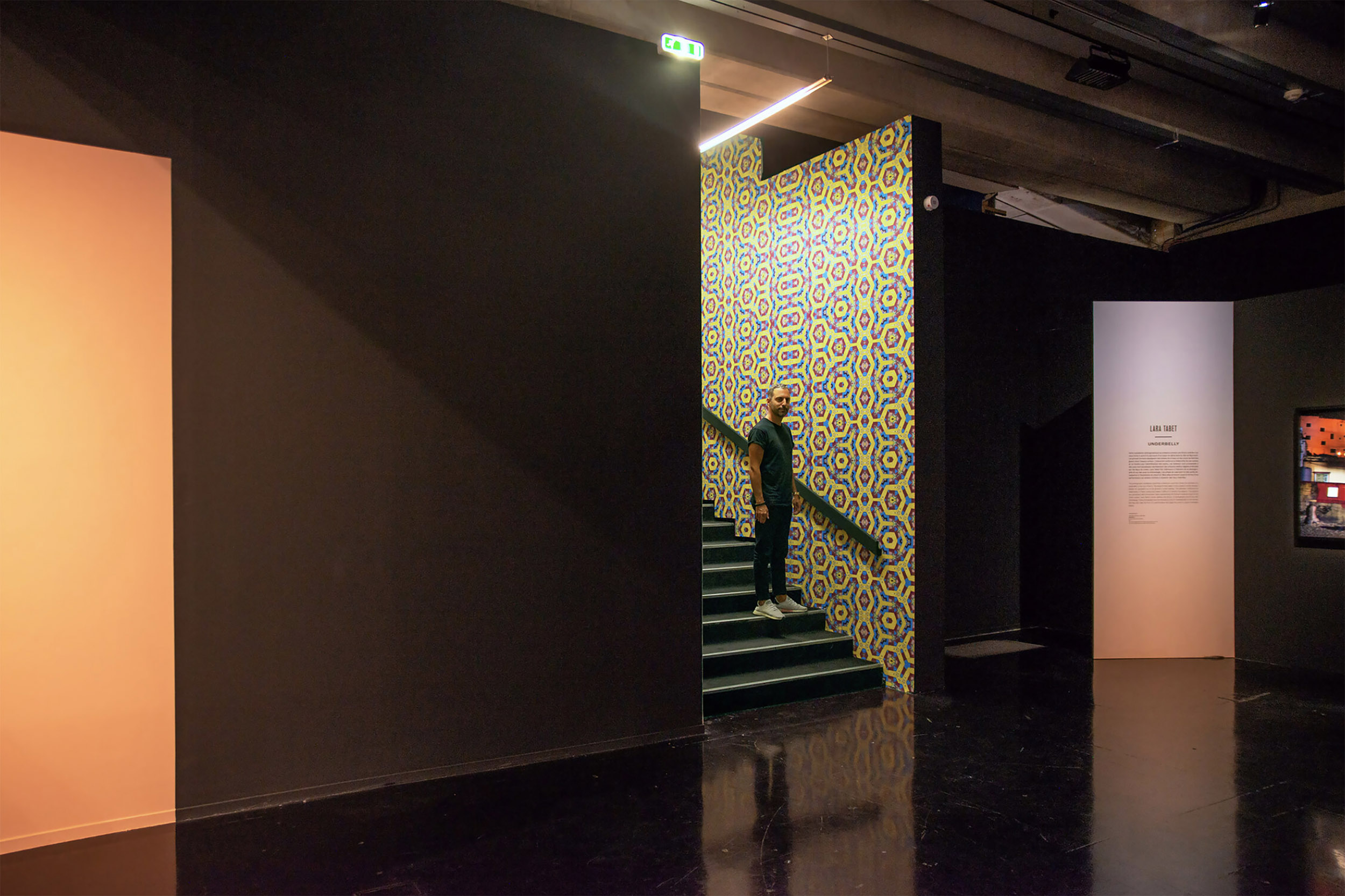
Beyrouth, Mon Amour was first presented at Institut du Monde Arabe during the Third Biennale of Photographers of the Contemporary Arab World in September 2019, and later exhibited digitally at the Middle East Institute from July to September 2020.
hologram seal.
Framing not included. White wood frame
with anti-reflective glass recommended.
WhatsApp · +33 6 21 04 60 00
hello@vladimirantaki.com