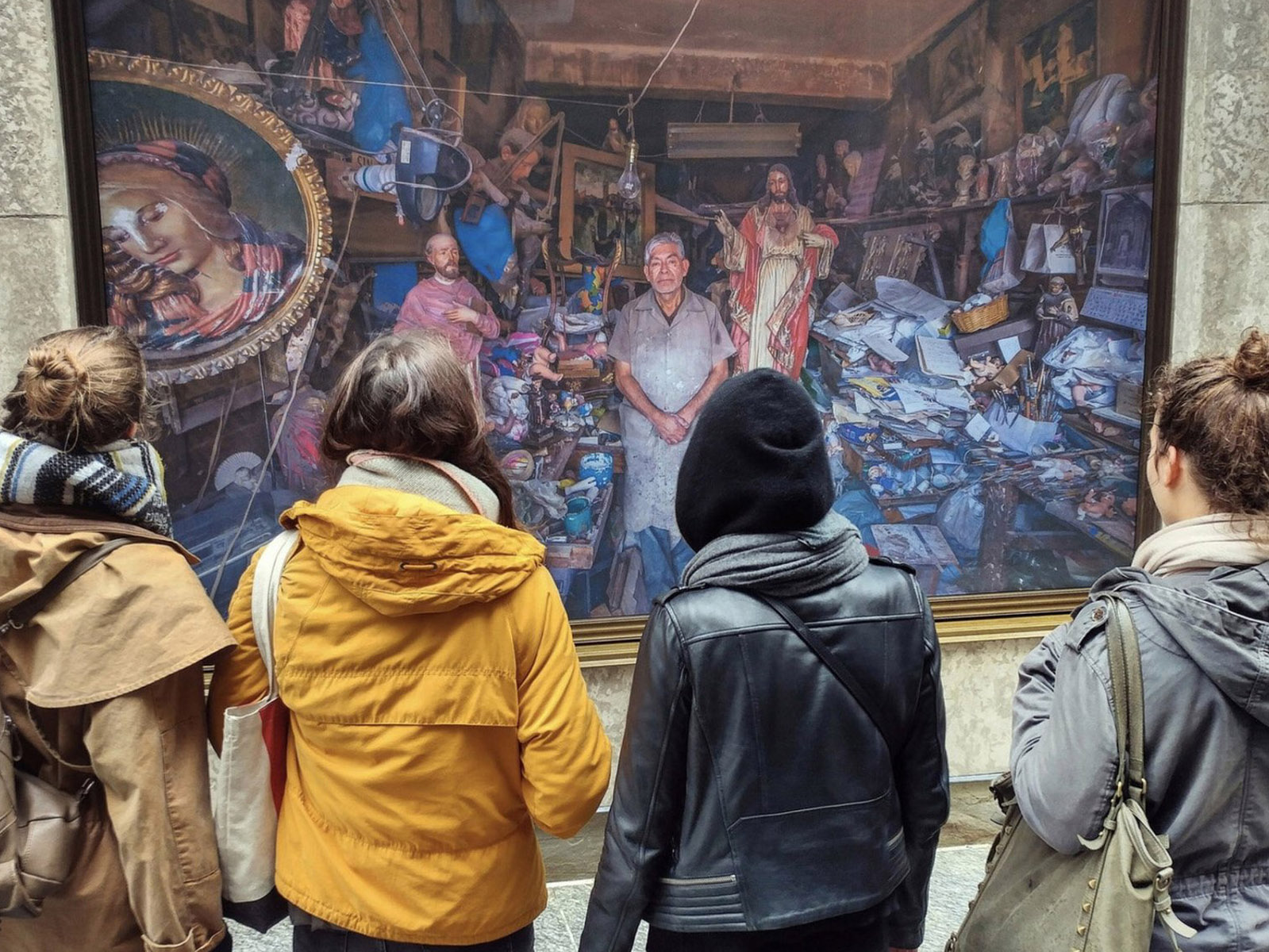
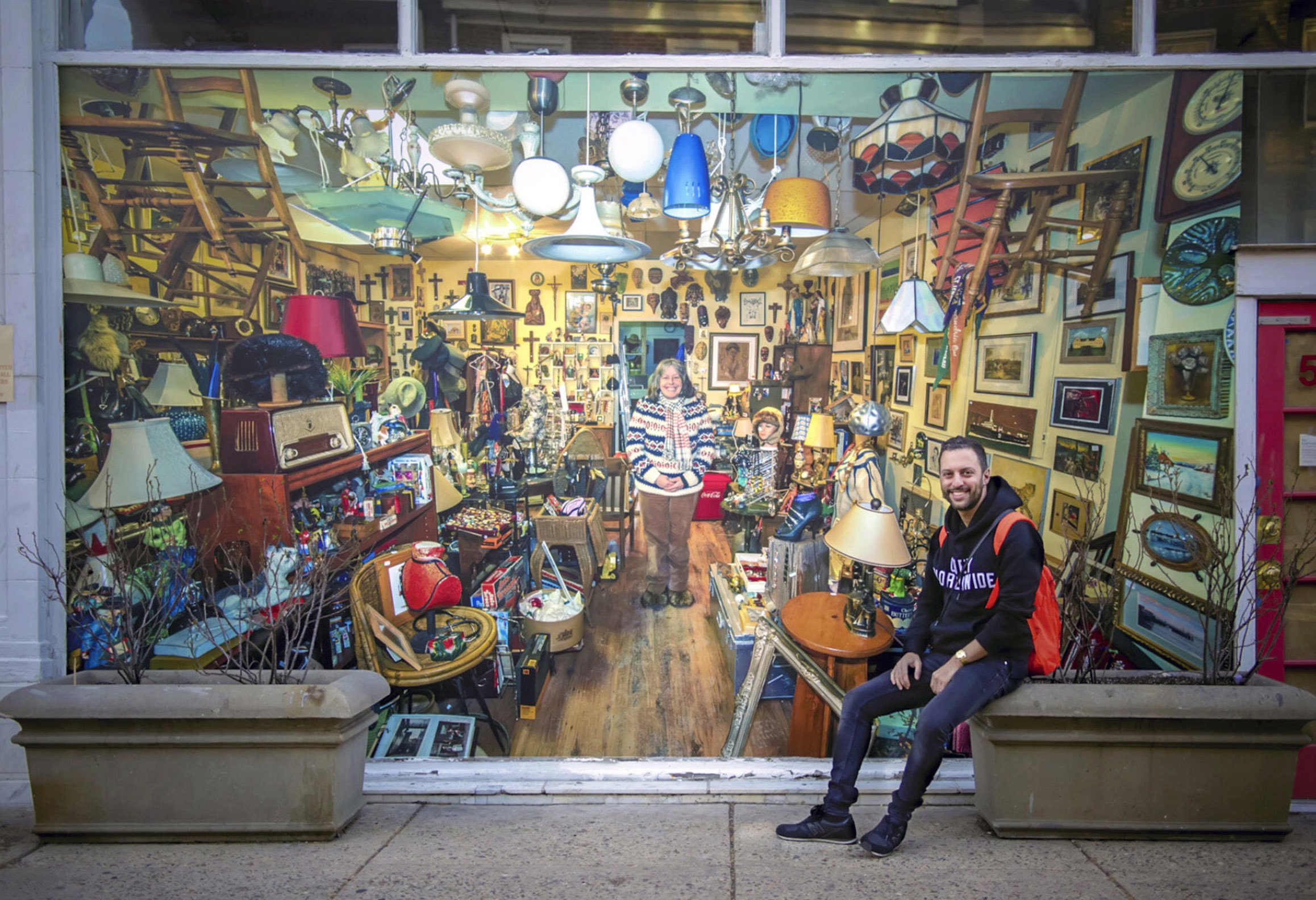
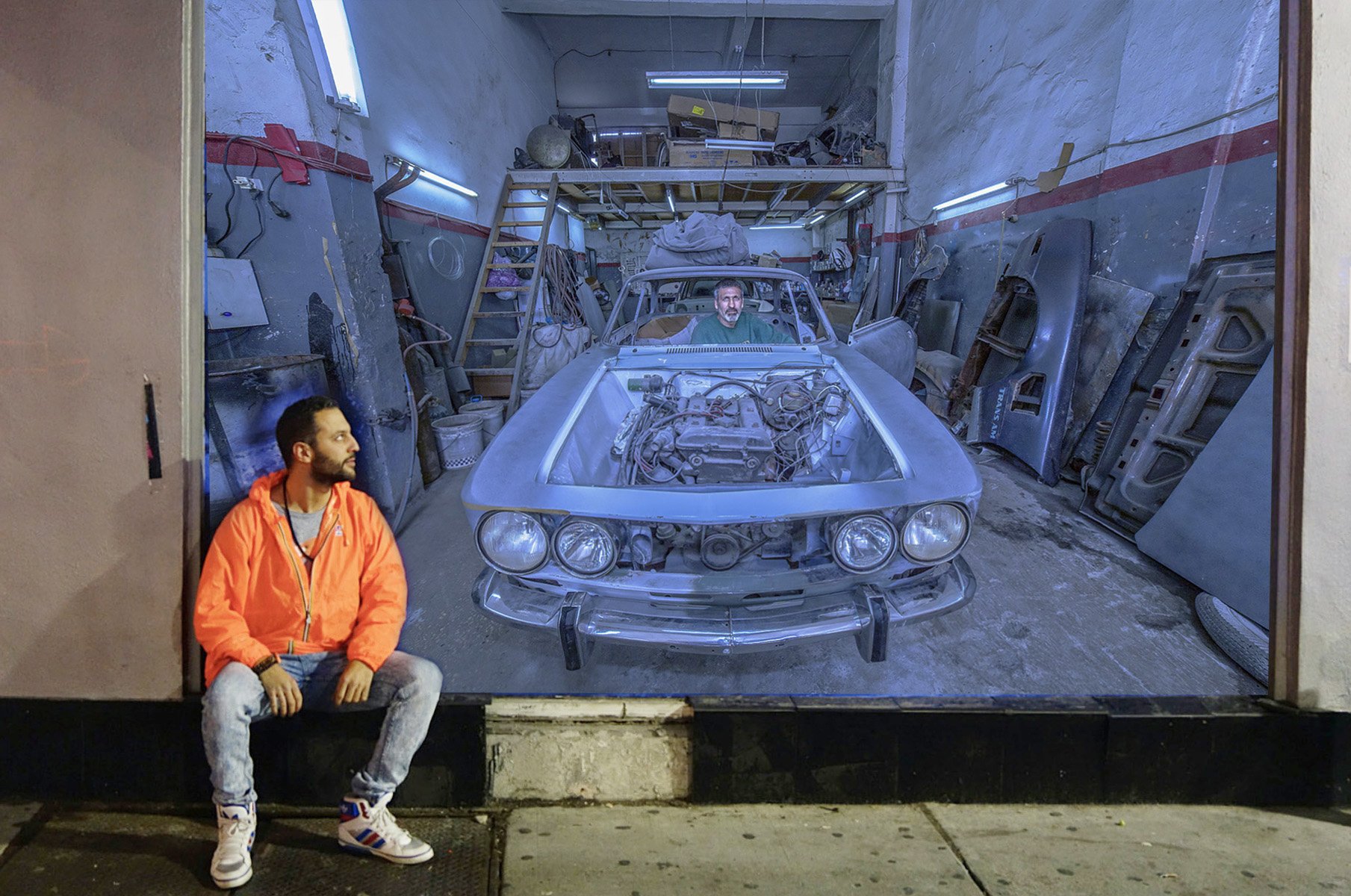
The Guardians is a deeply personal series, born from my need to hold on to what is disappearing, and to make visible what is so often no longer seen.
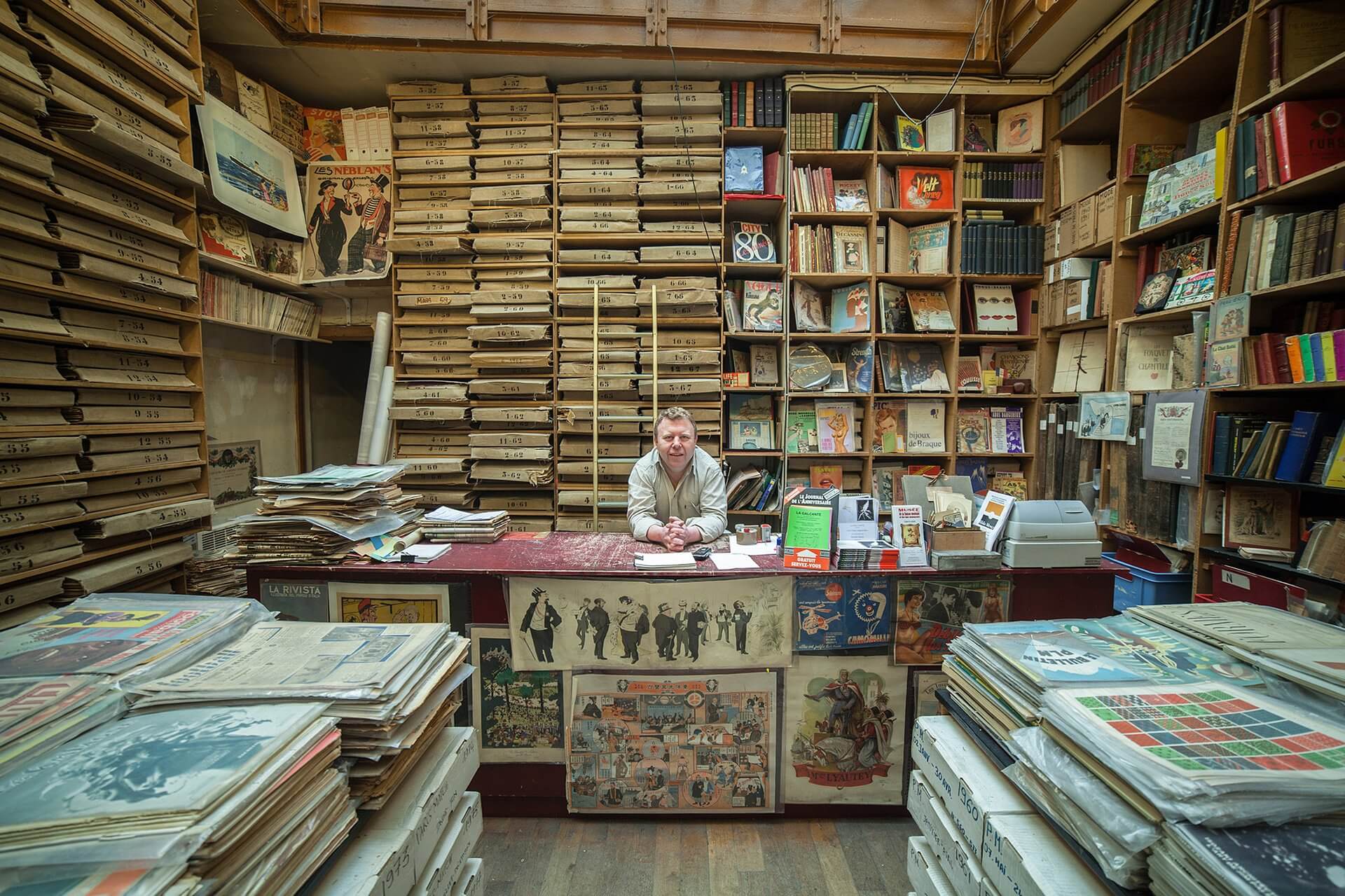
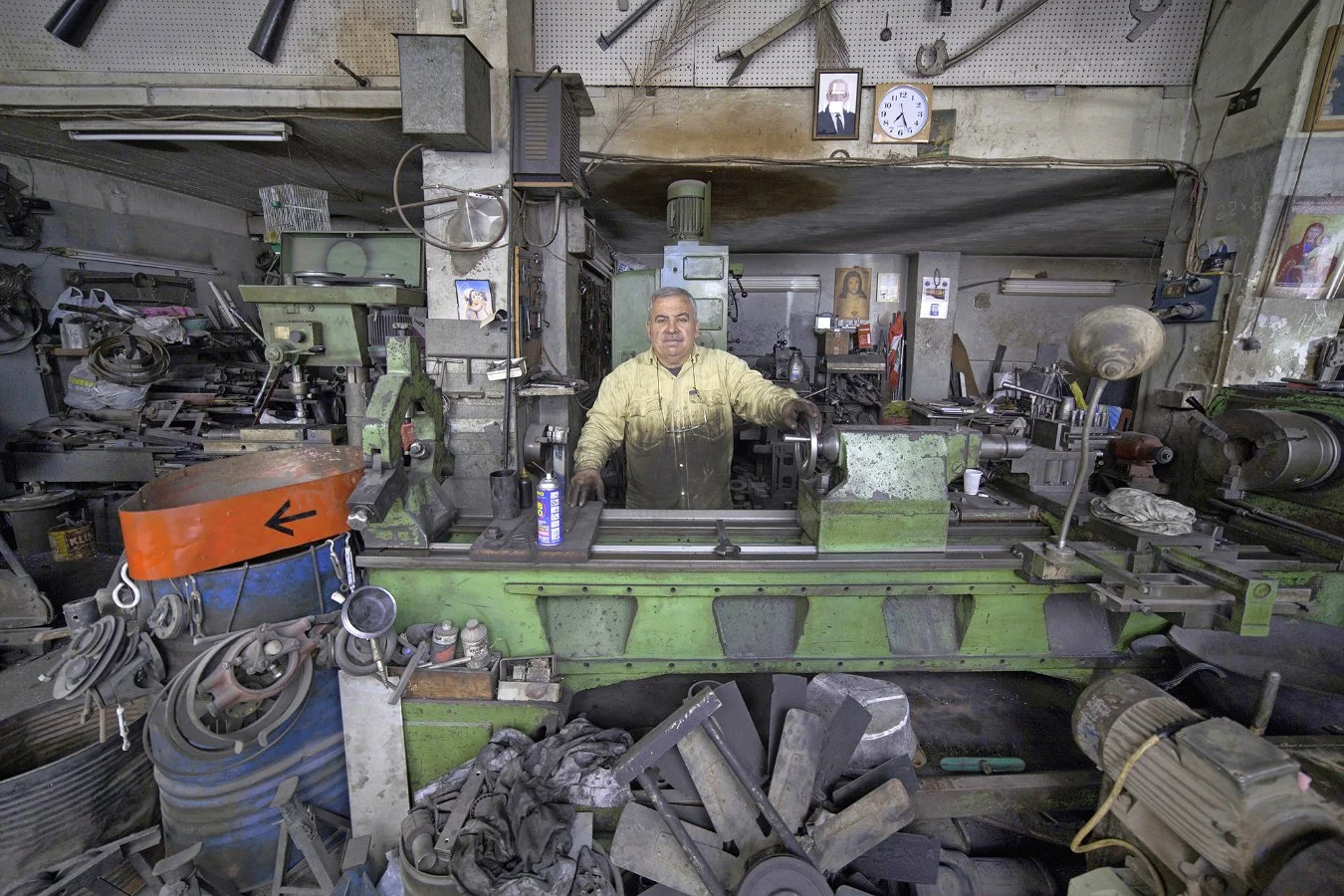
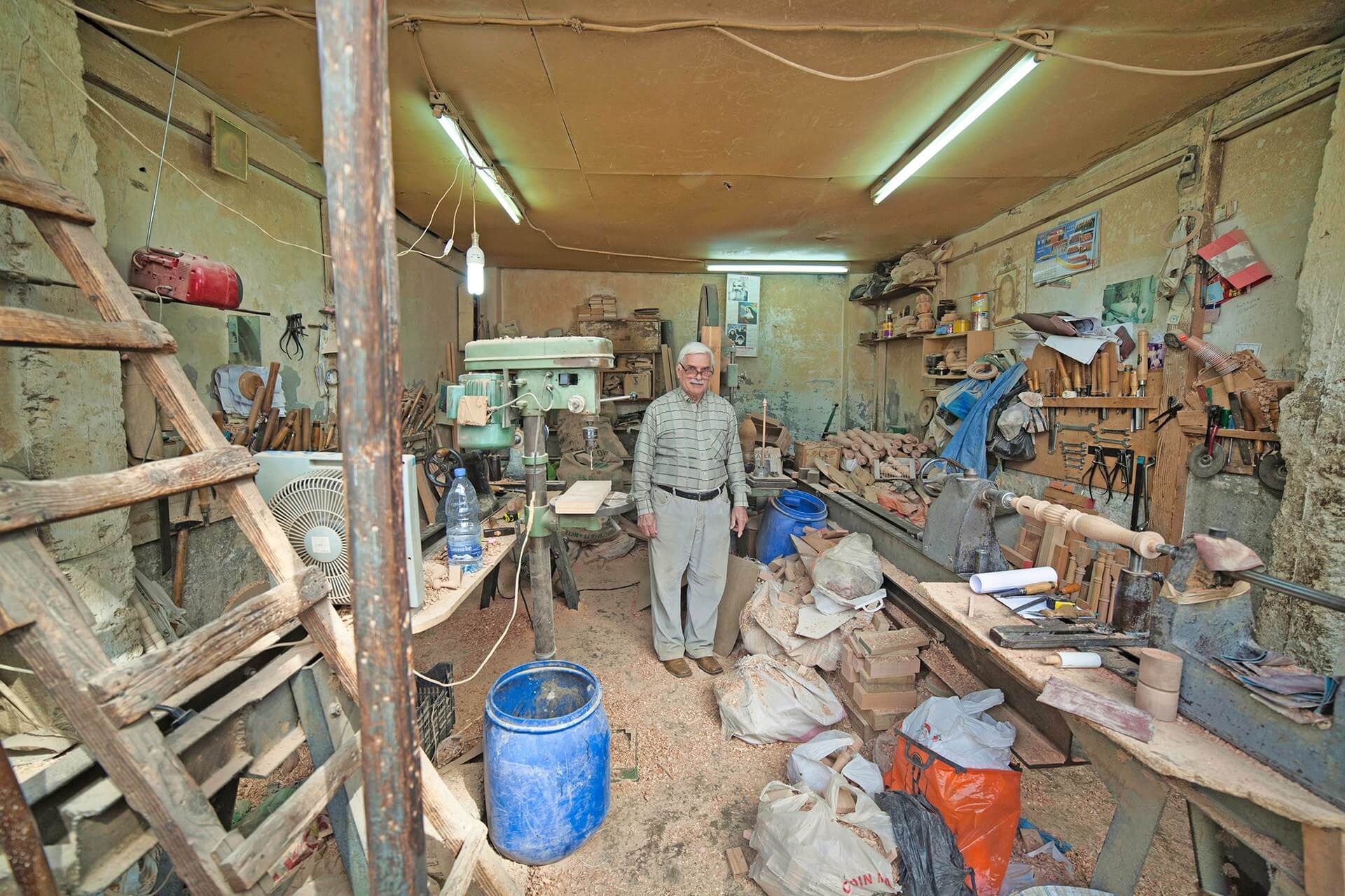
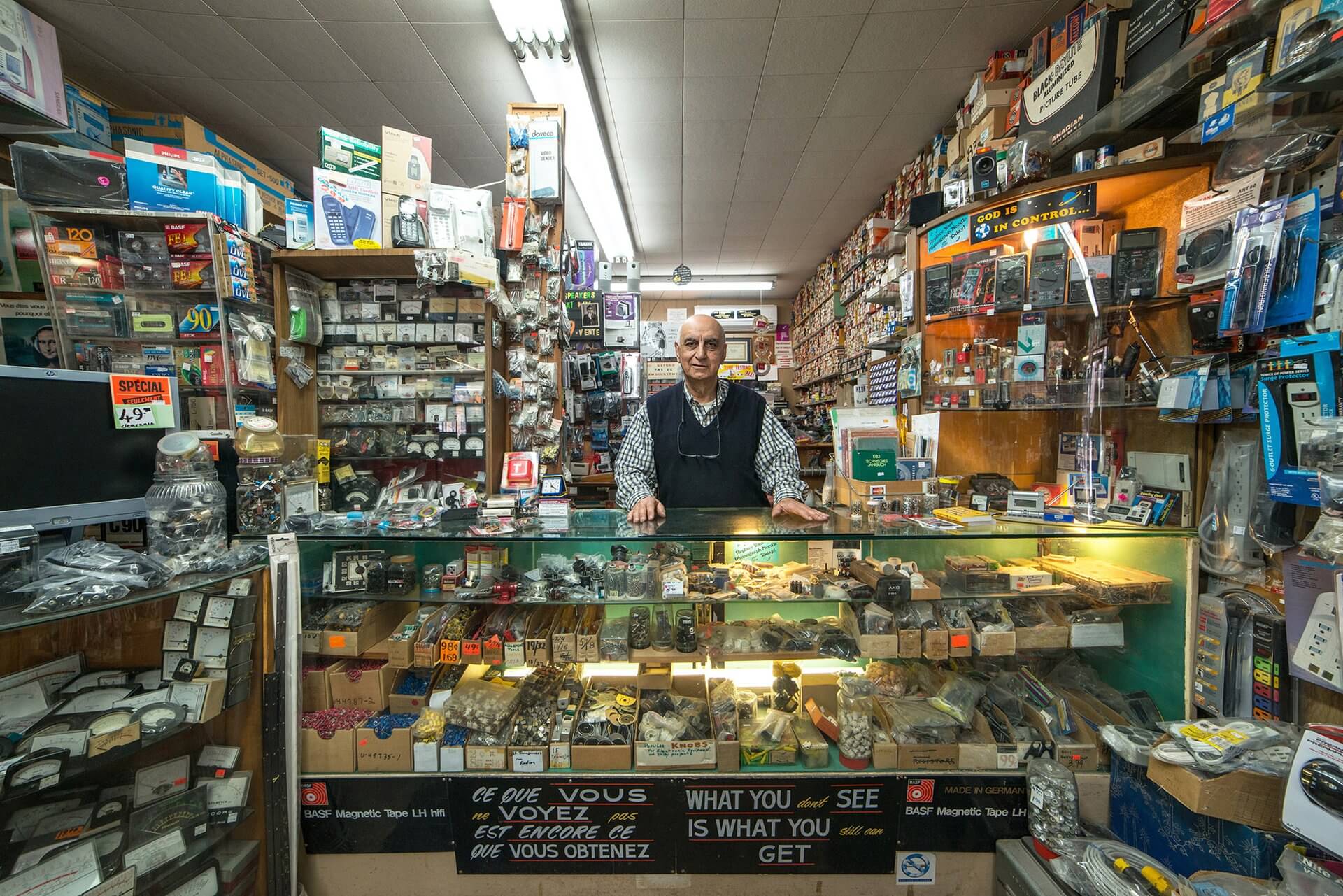
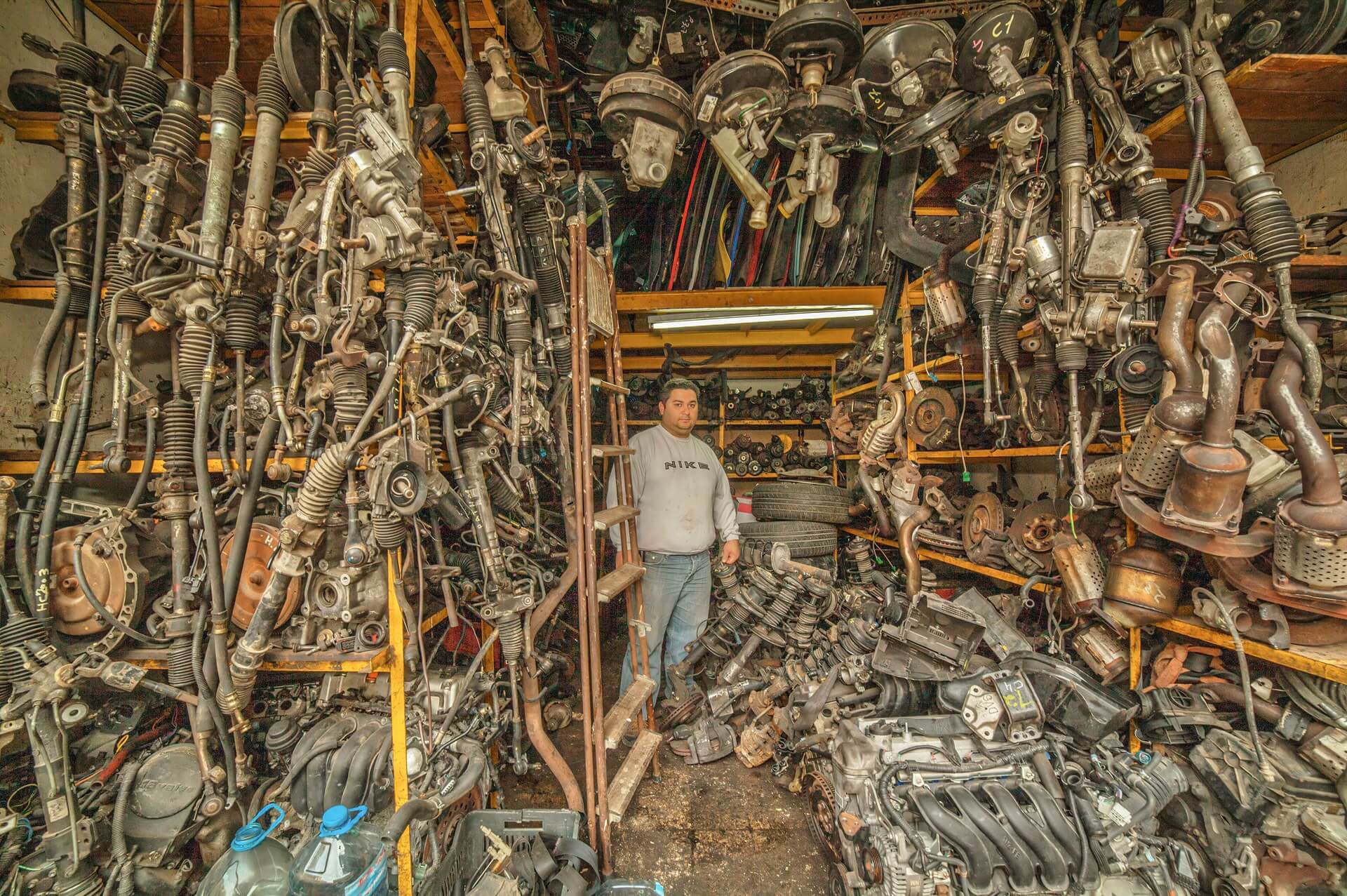
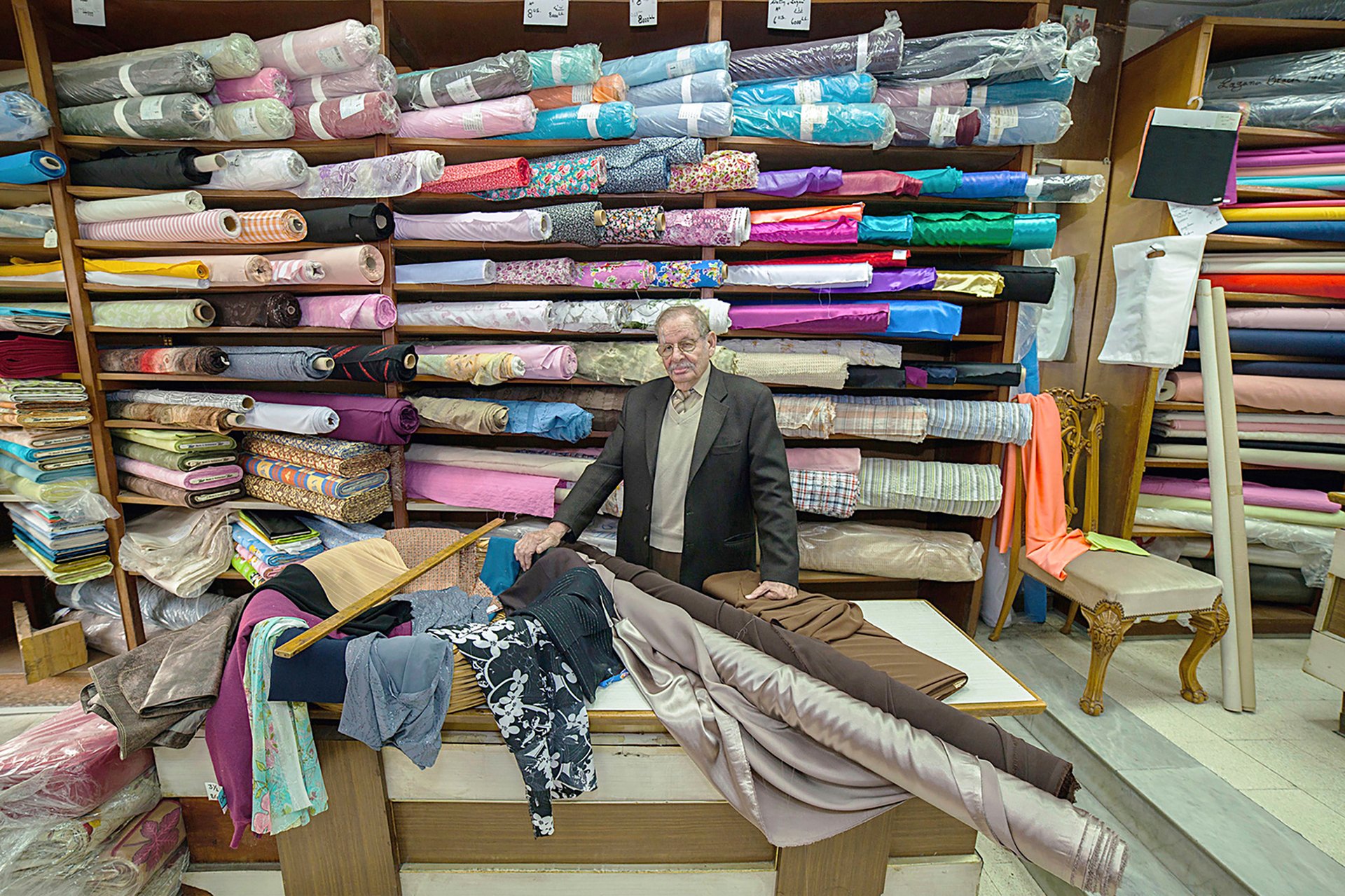
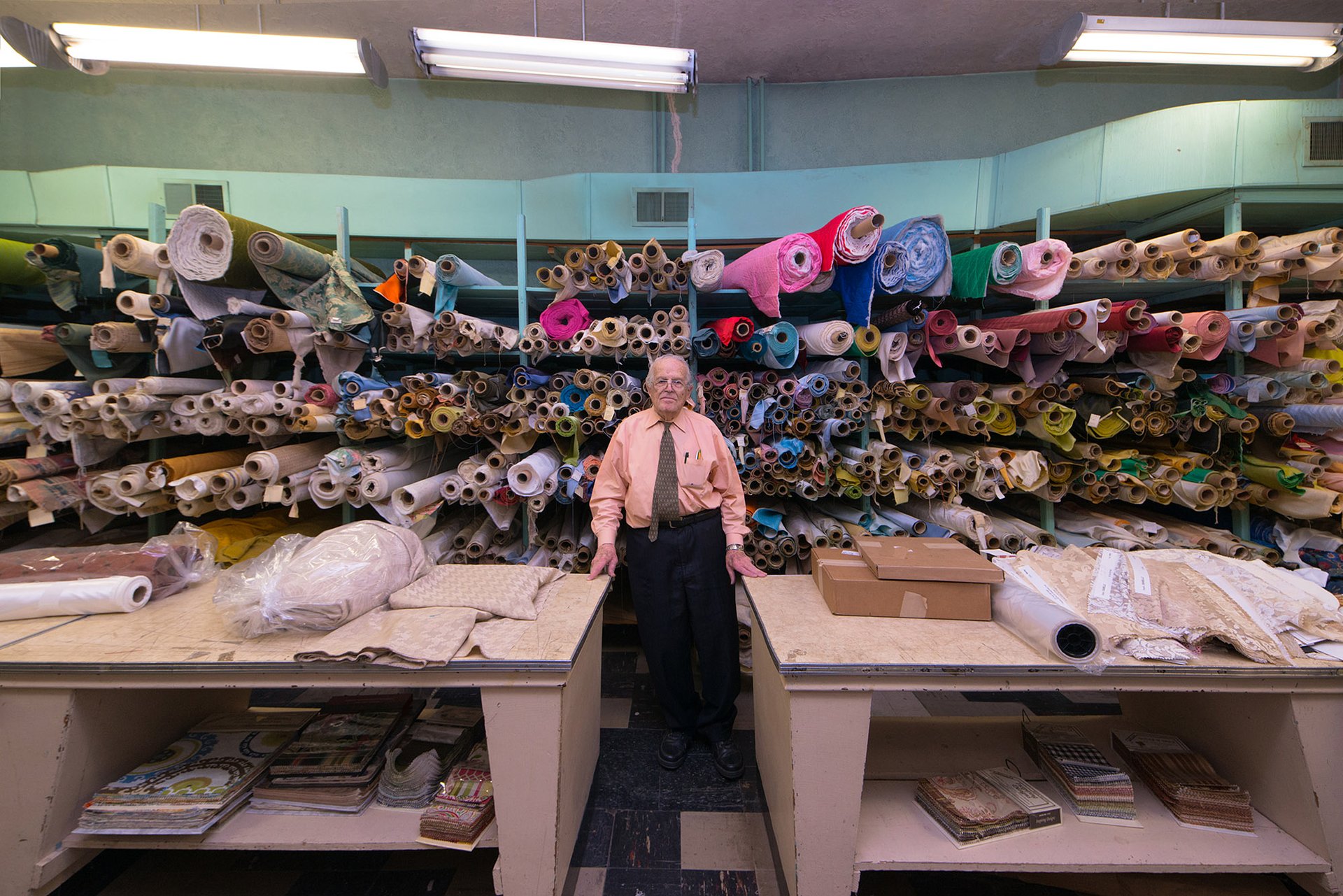
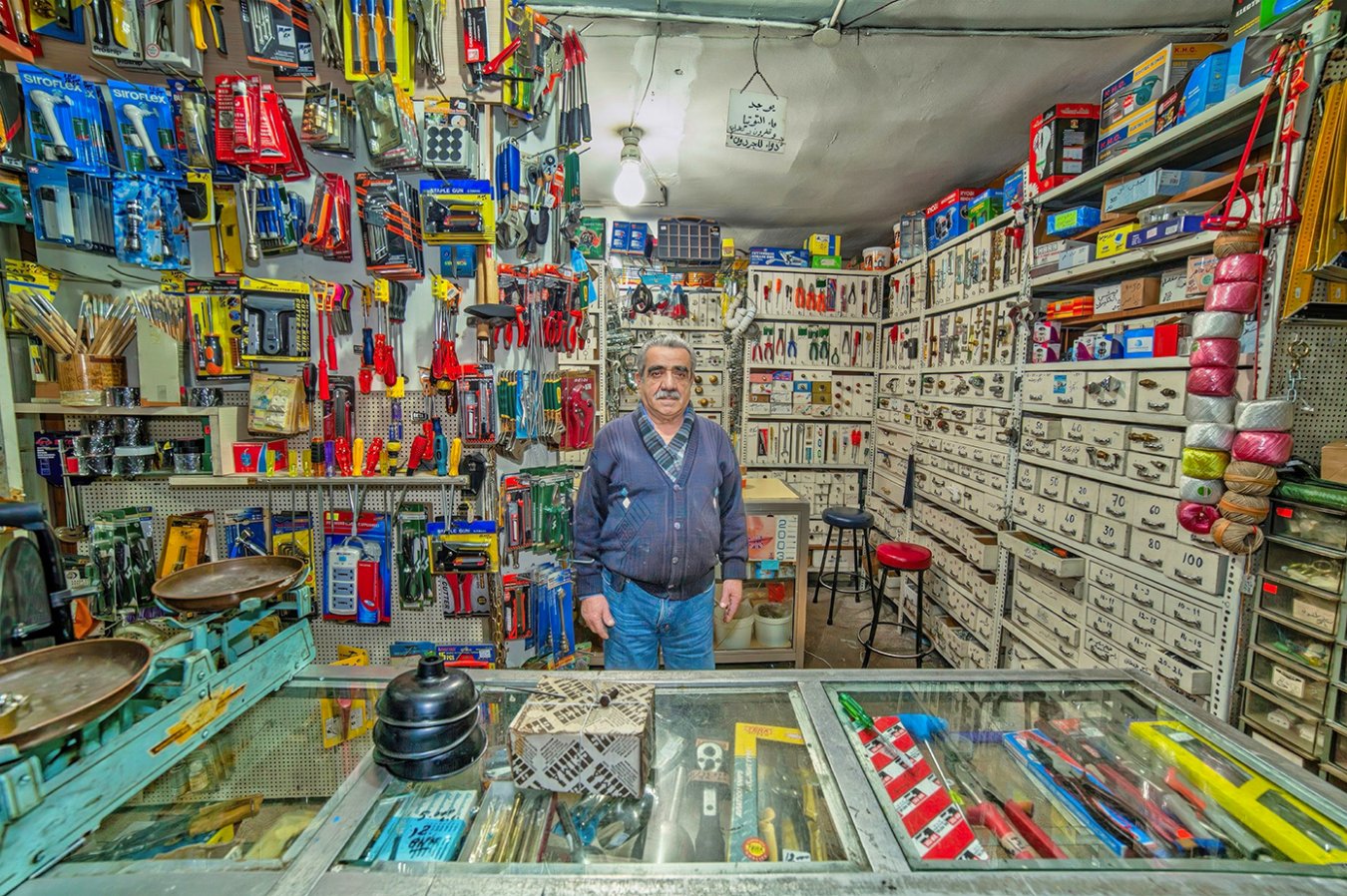
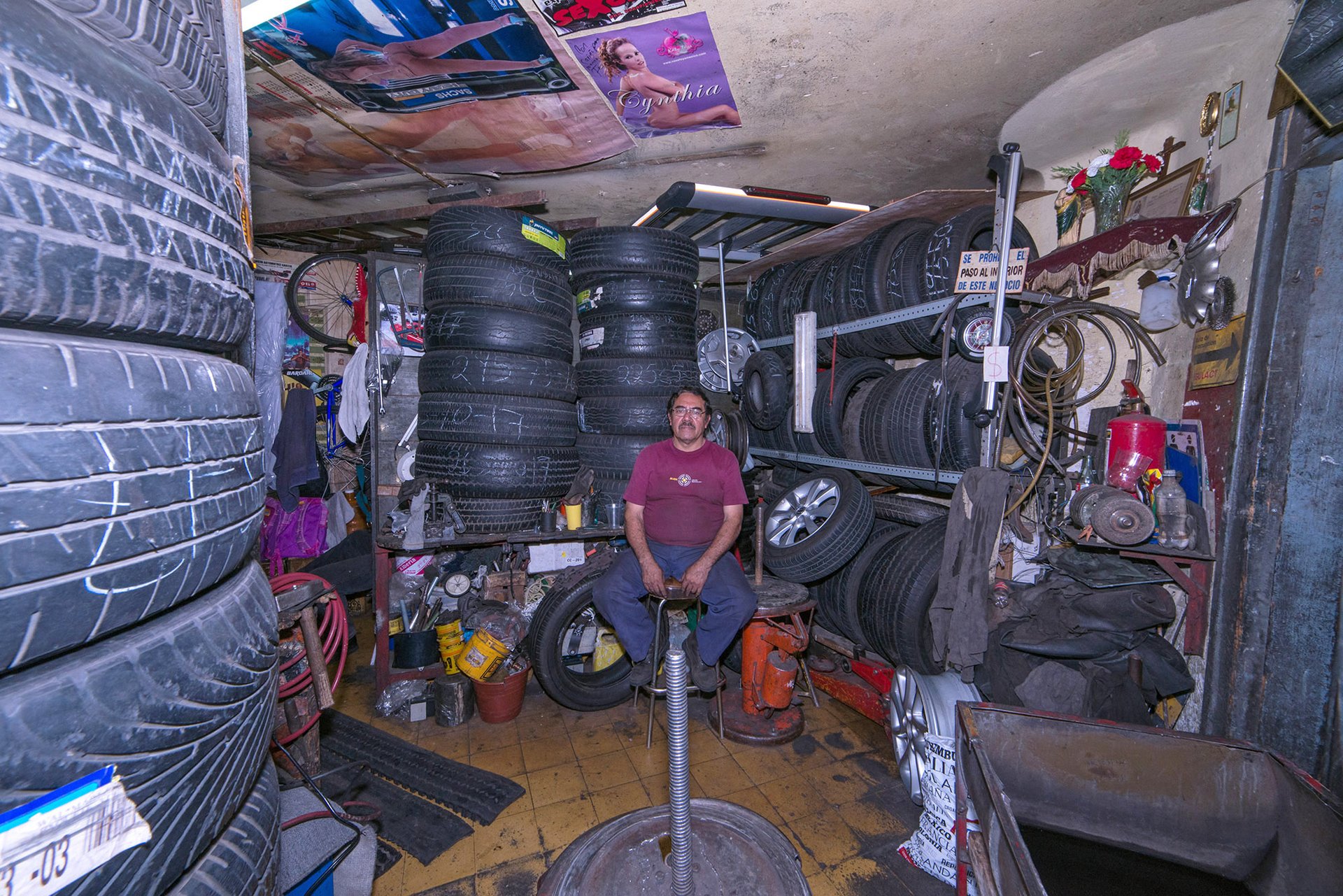
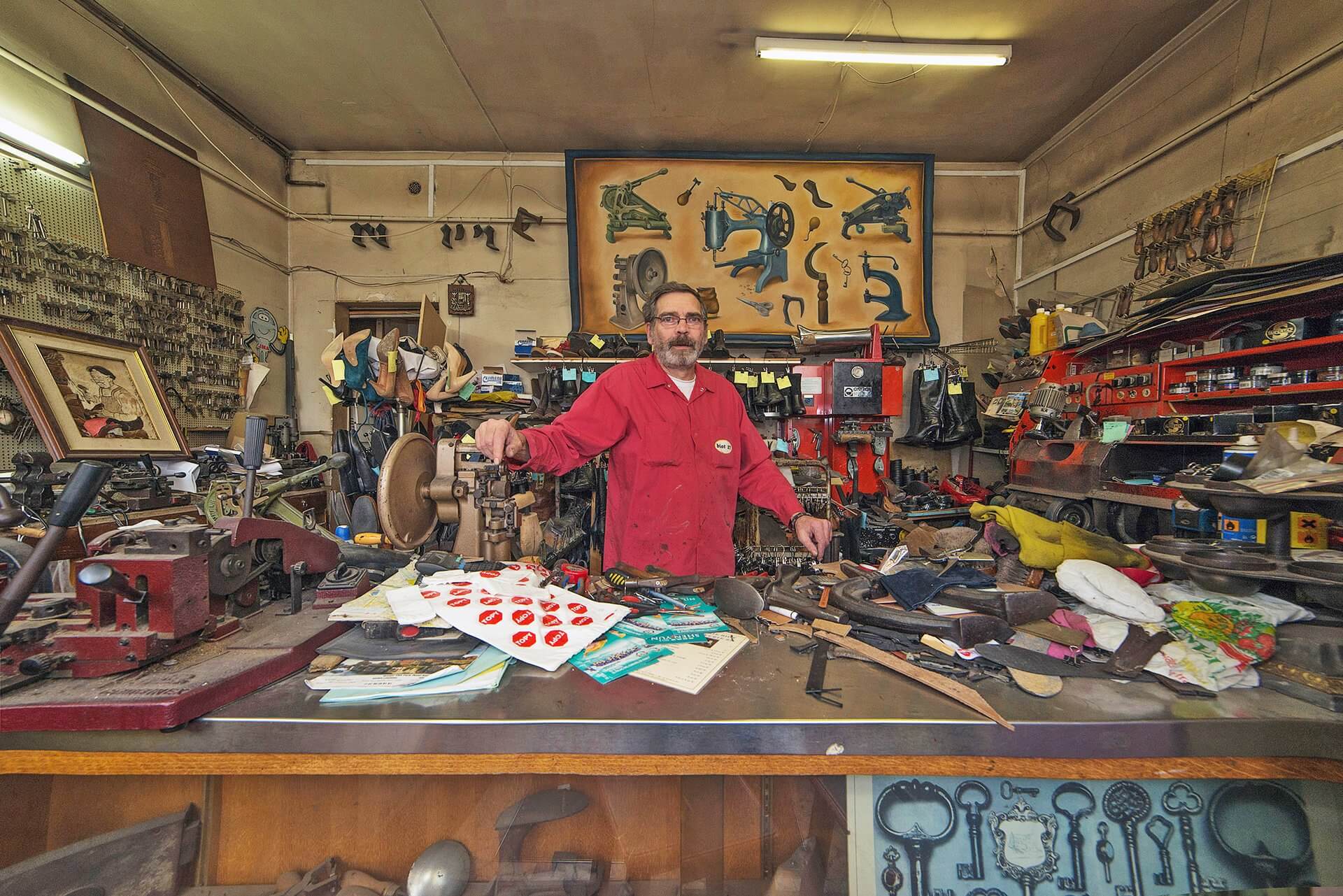
Through these portraits, I meet artisans and shopkeepers whom I consider the true guardians of our cities. Their shops are not just places we pass through — they are lived-in spaces, shaped by gestures, stories, and layers of silence accumulated over time. Quiet yet essential "urban temples," they carry fragments of a shared memory.
Photographing these men and women is, for me, a way not only to document, but to preserve. To slow down, if only for a moment, the gradual erasure of these places in an increasingly dematerialized world. There is a fragile beauty in them, a dignity, a quiet resilience that deeply matters to me.
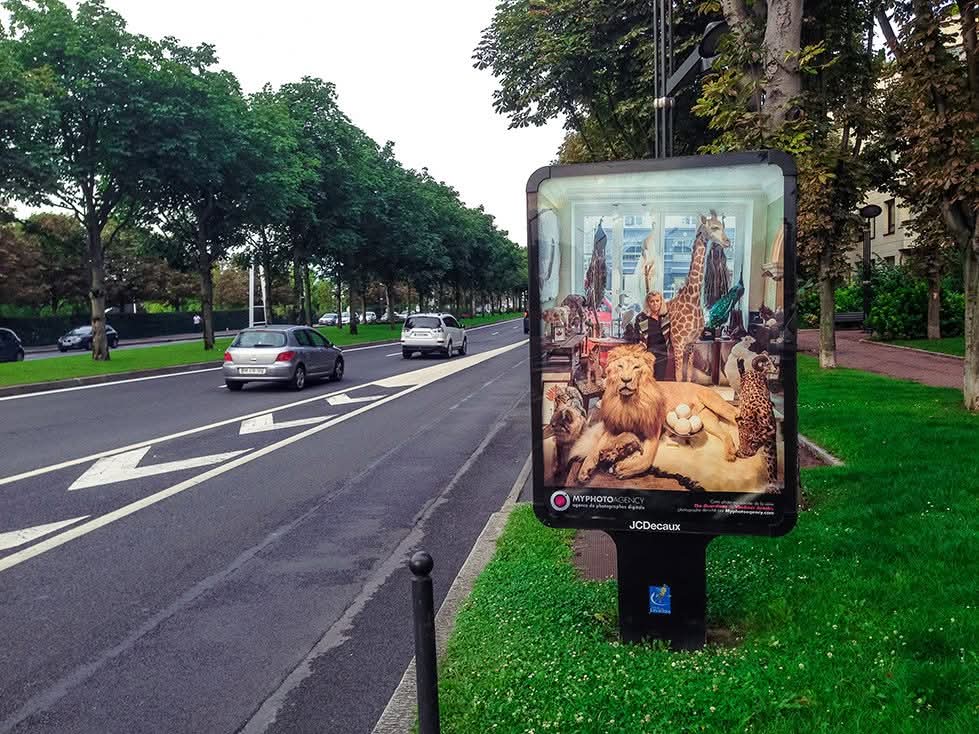
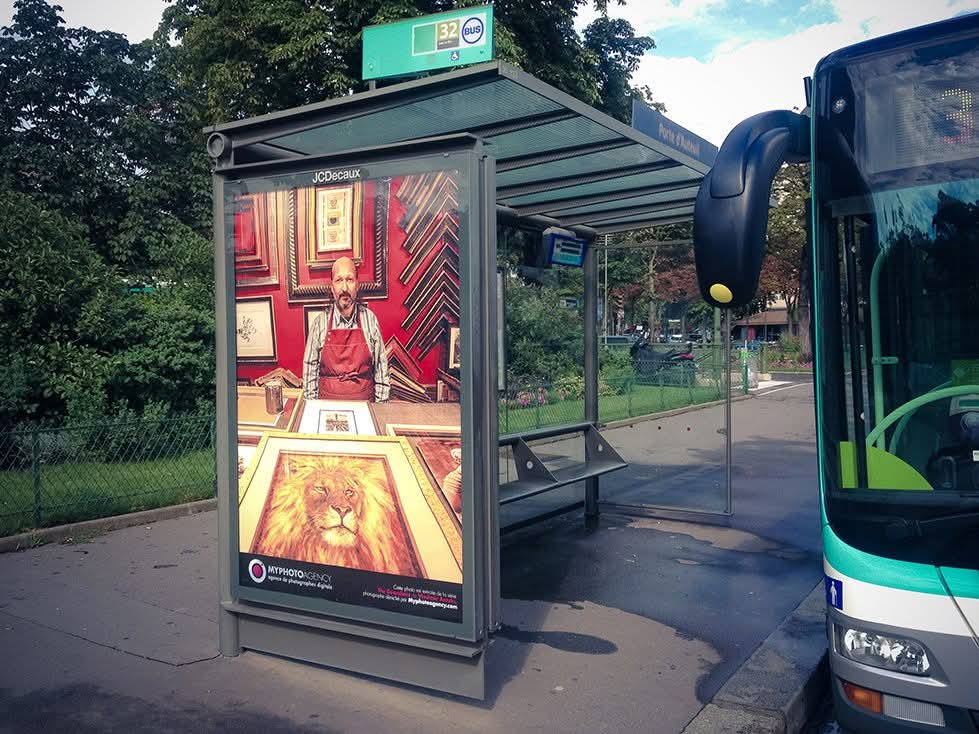
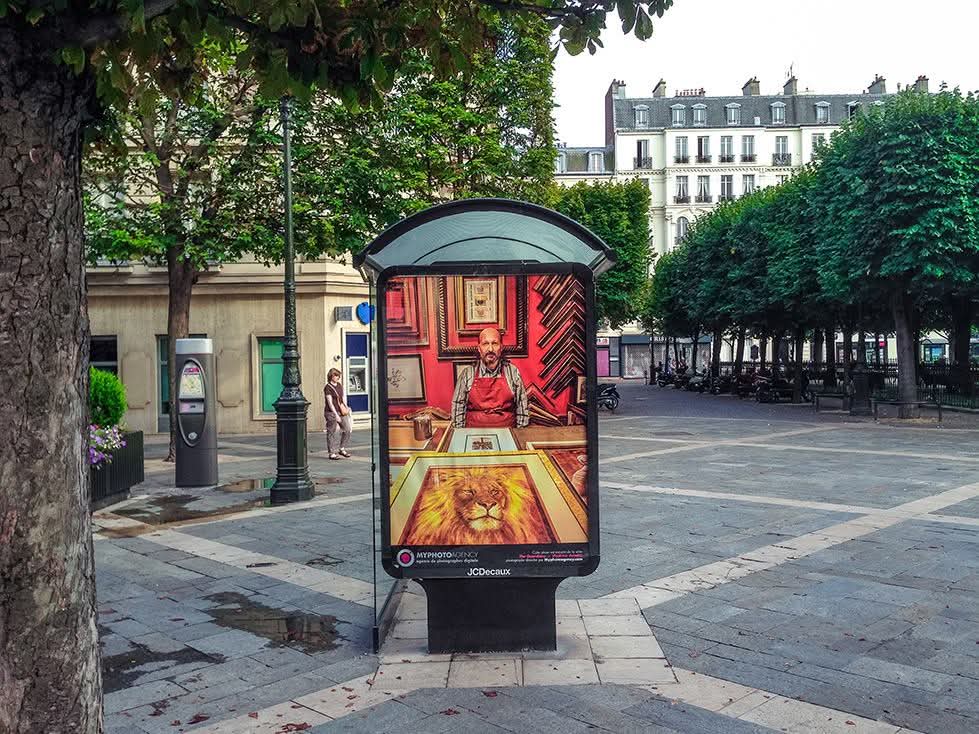
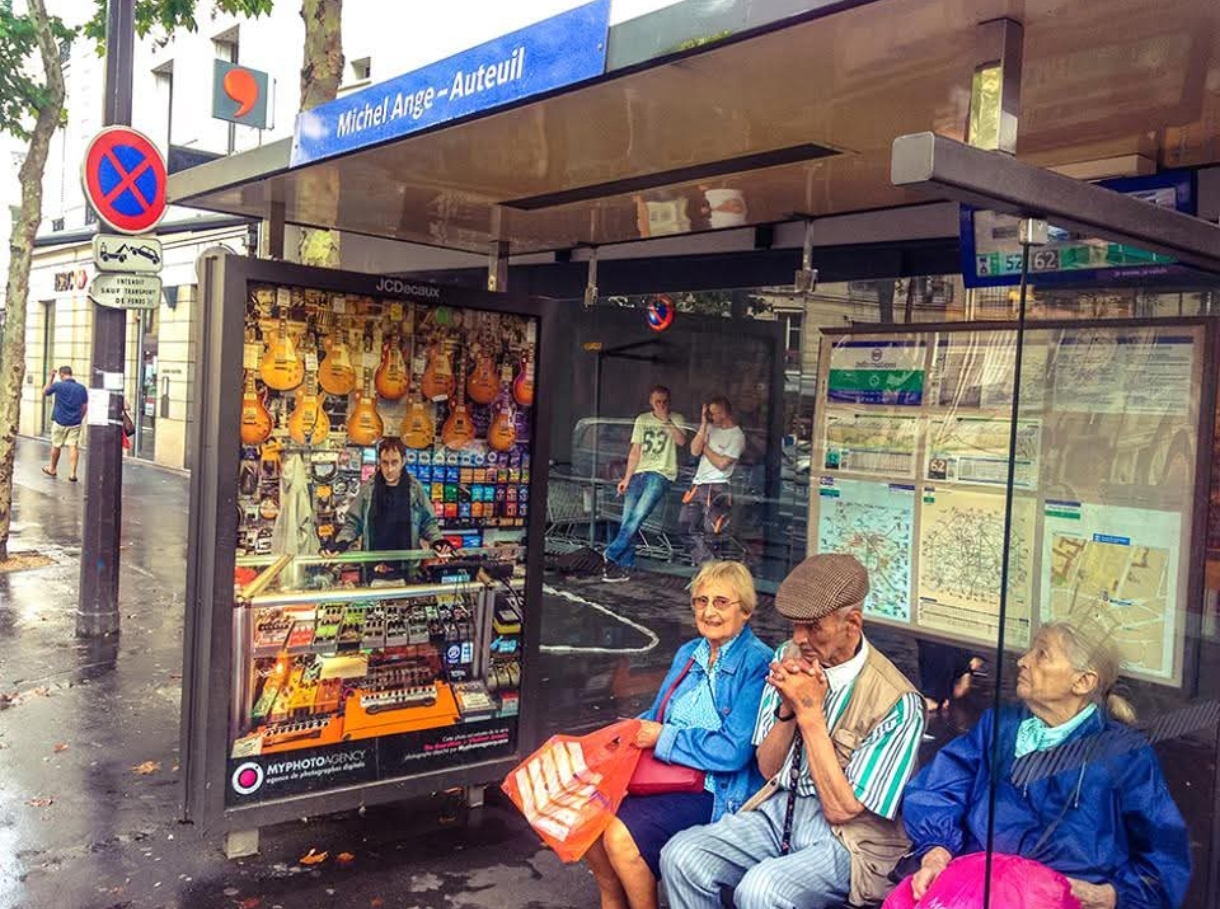
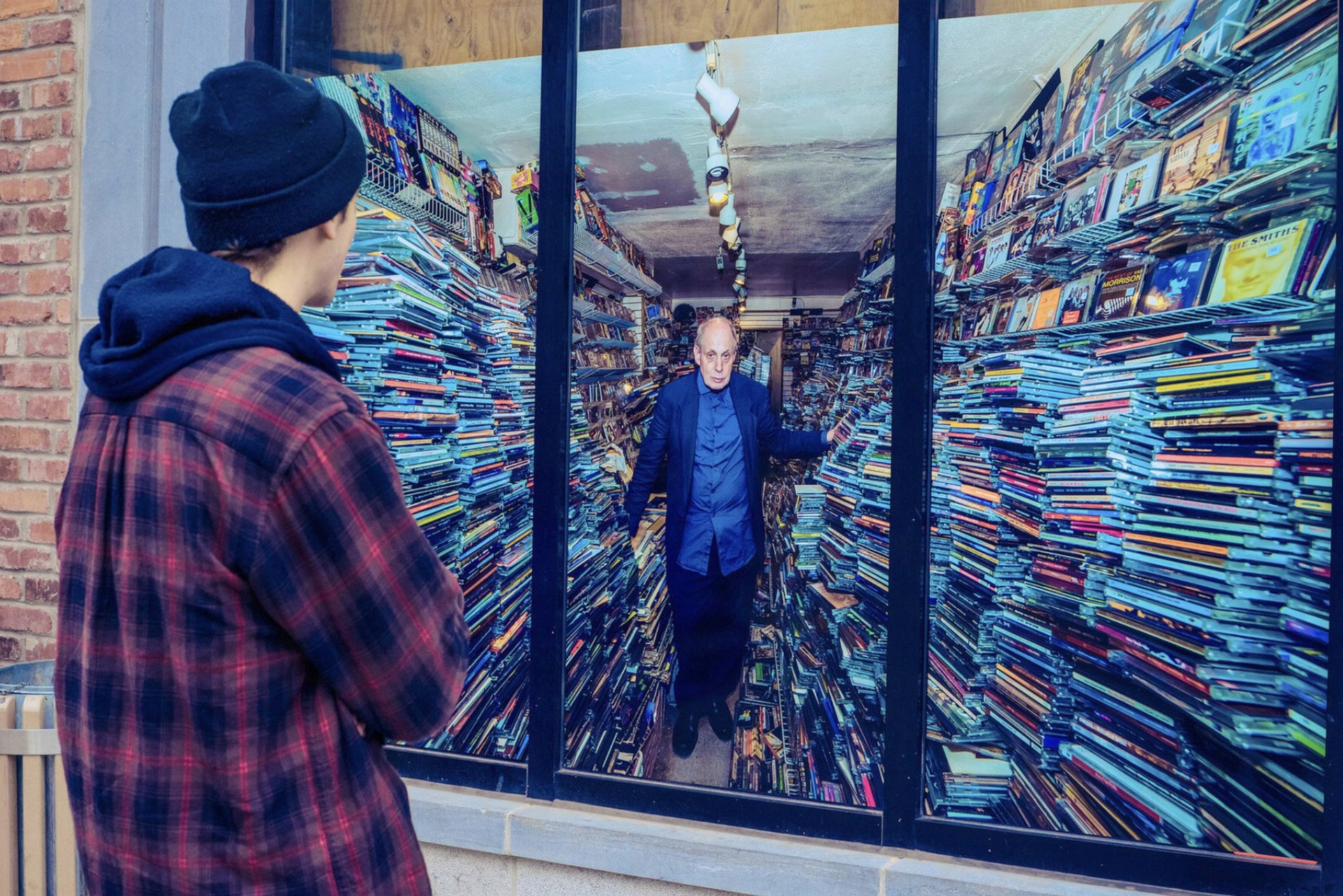
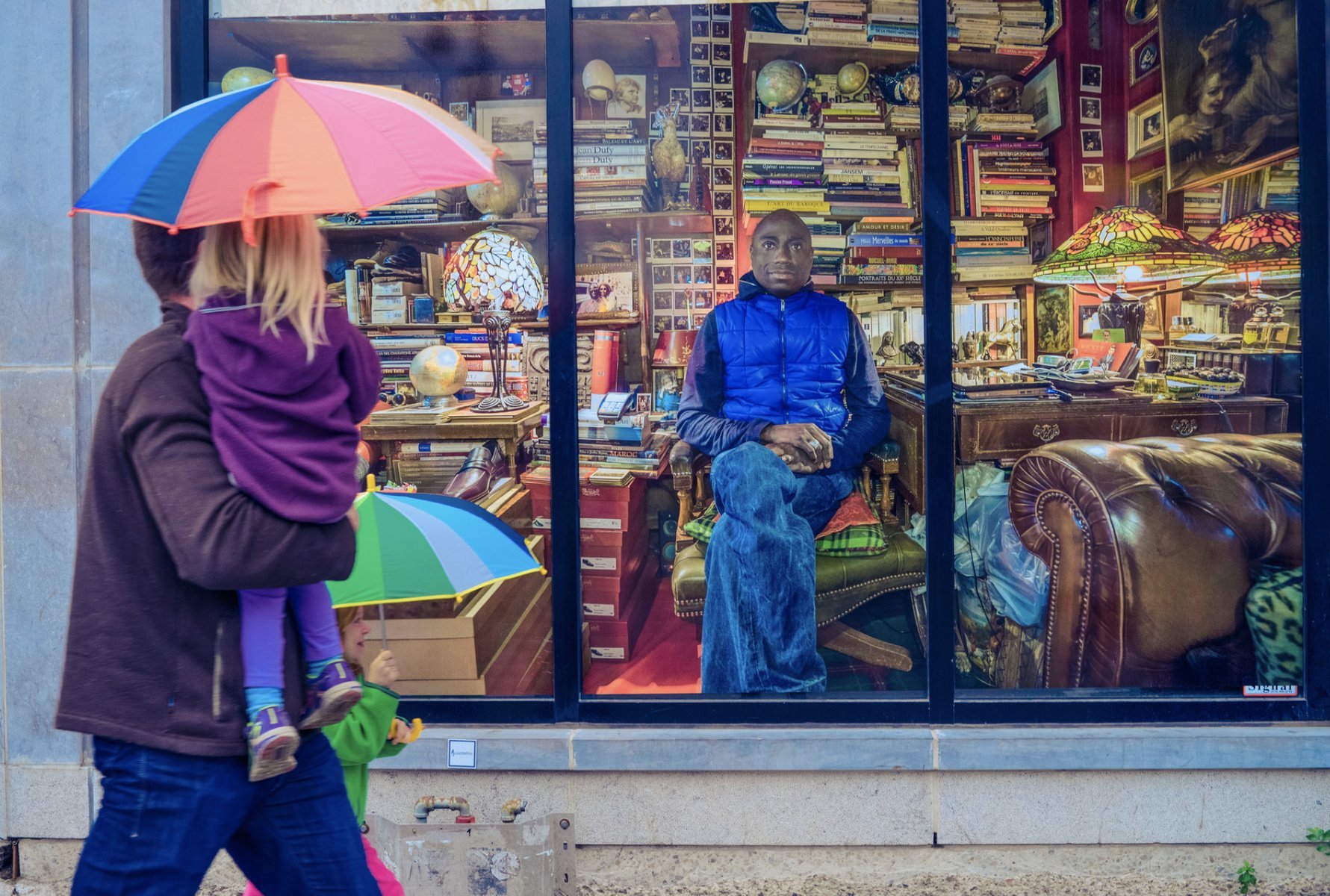
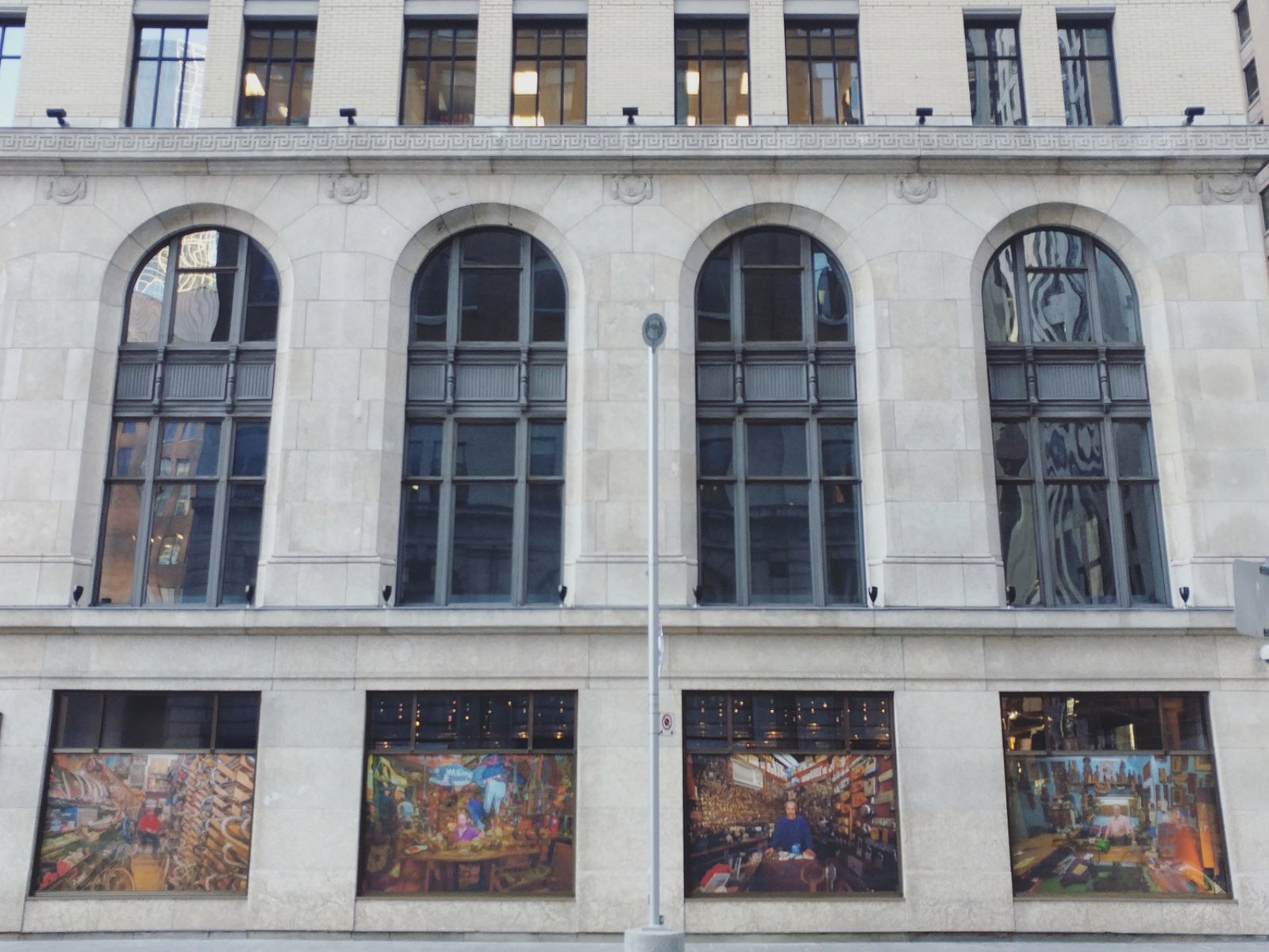
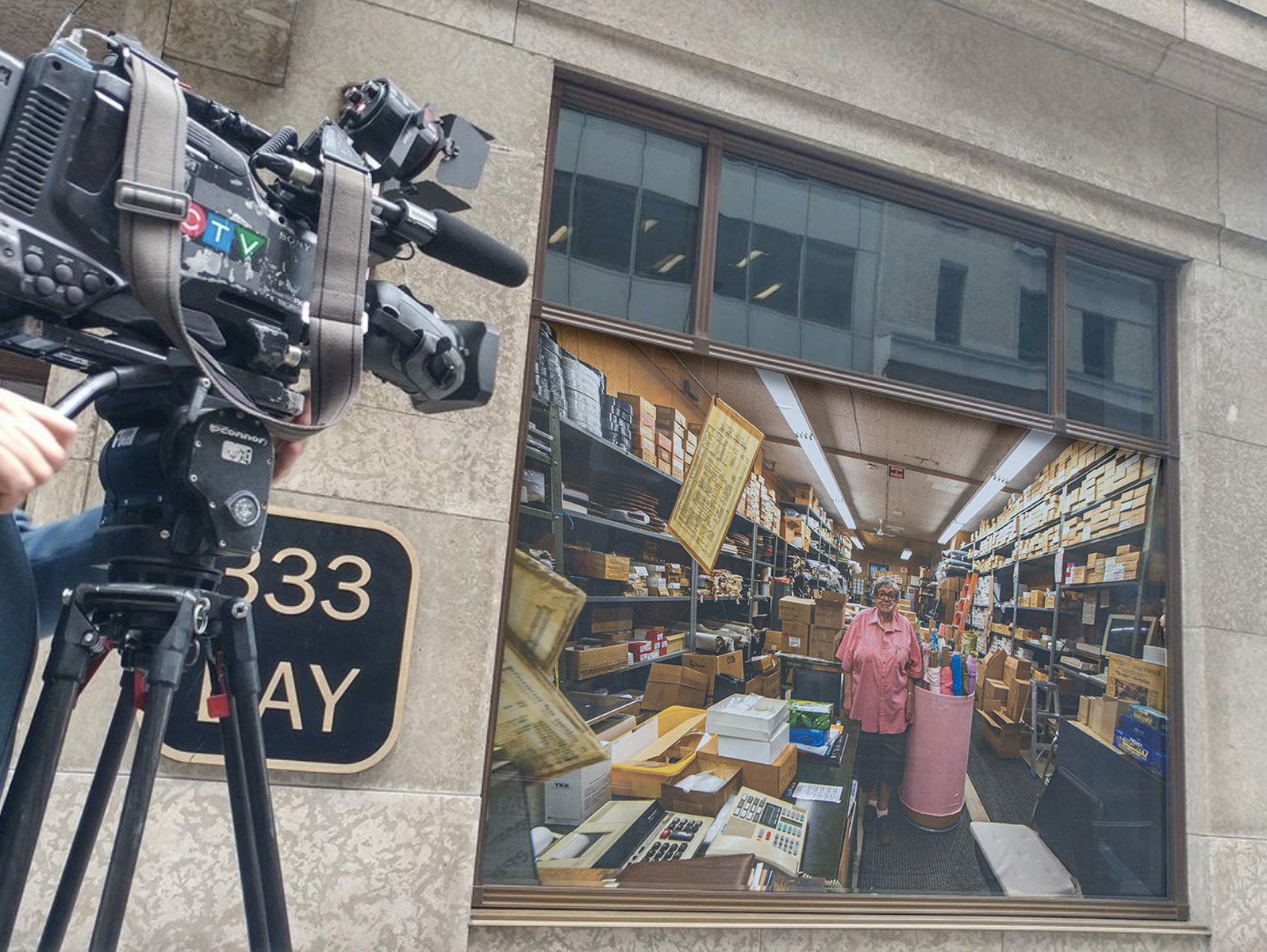
The way I present these images is an integral part of the project. I print them at life size so that an encounter can take place — so the gaze cannot turn away. I then install these portraits in the windows of closed shops, directly in the street. Spaces that were once alive become sites of exhibition. A presence emerges within the absence — a haunting illusion where the guardians seem to still be there, in their place.
I like to think that, for a brief moment, these spaces breathe again. That they find their voice. And that those who pass by take the time to look, to remember, or simply to feel.
↗ INTERACTIVE MAP: PHOTOS, TEXTS AND AUDIO FOR EACH GUARDIAN






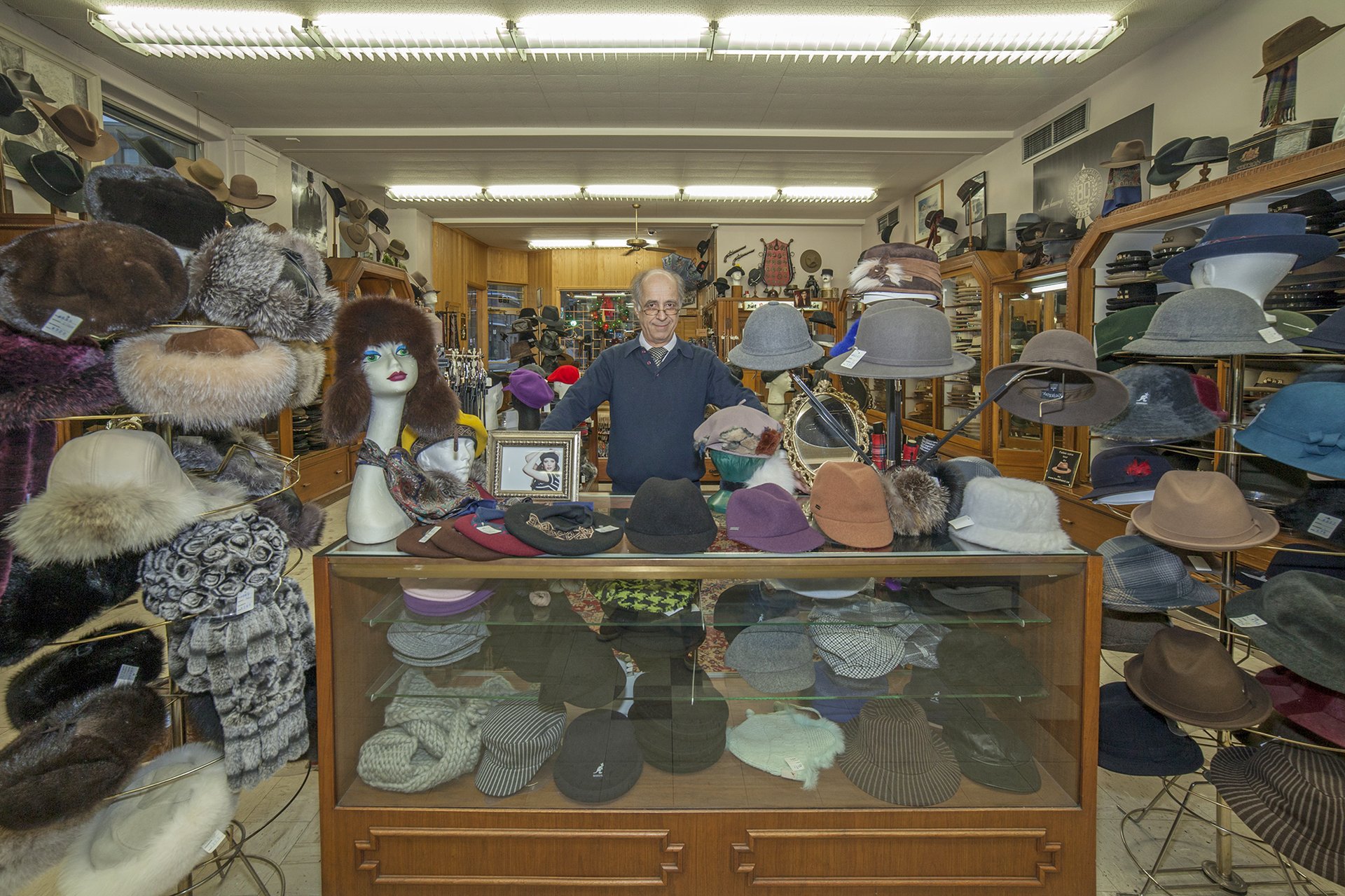
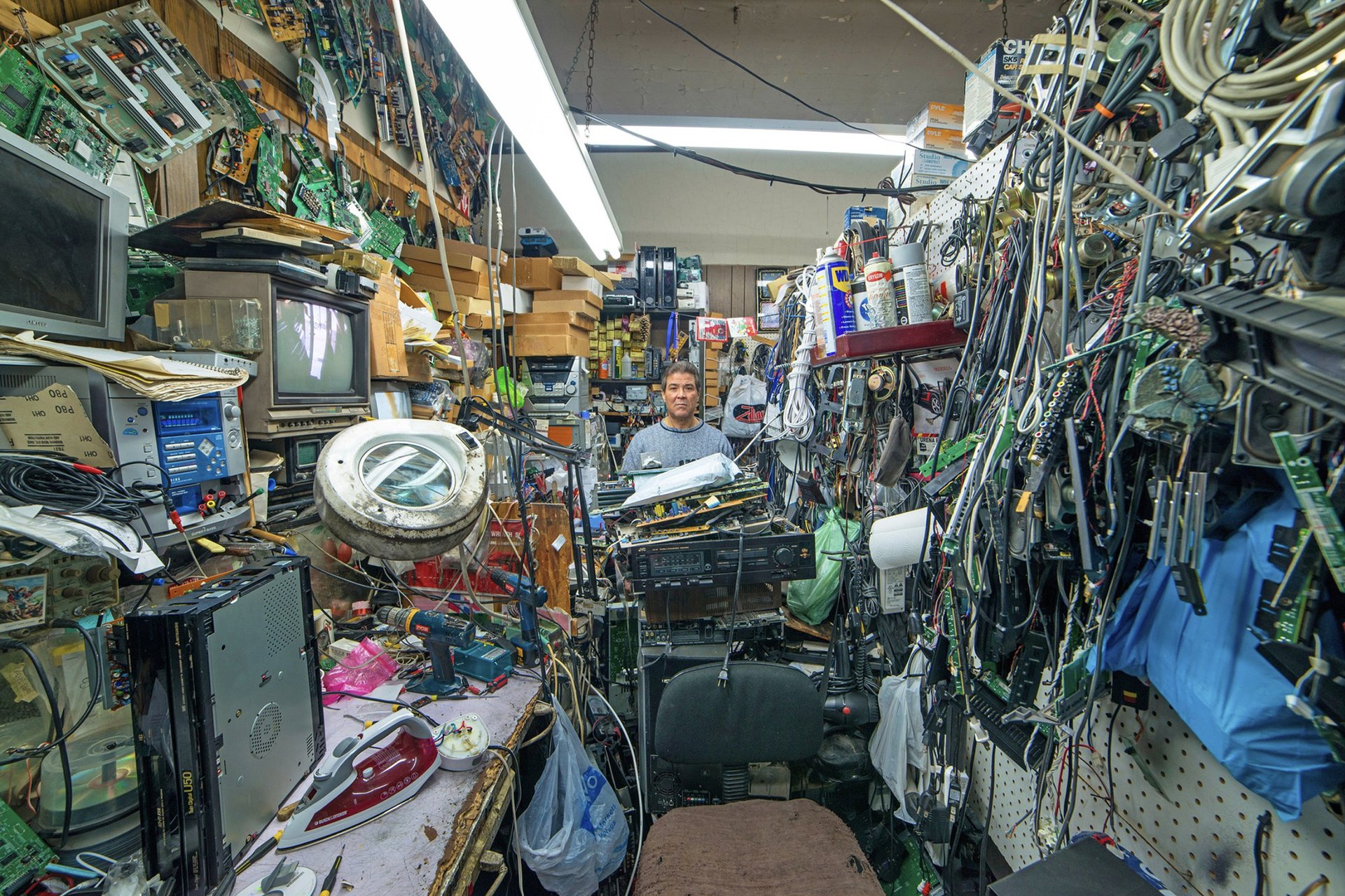
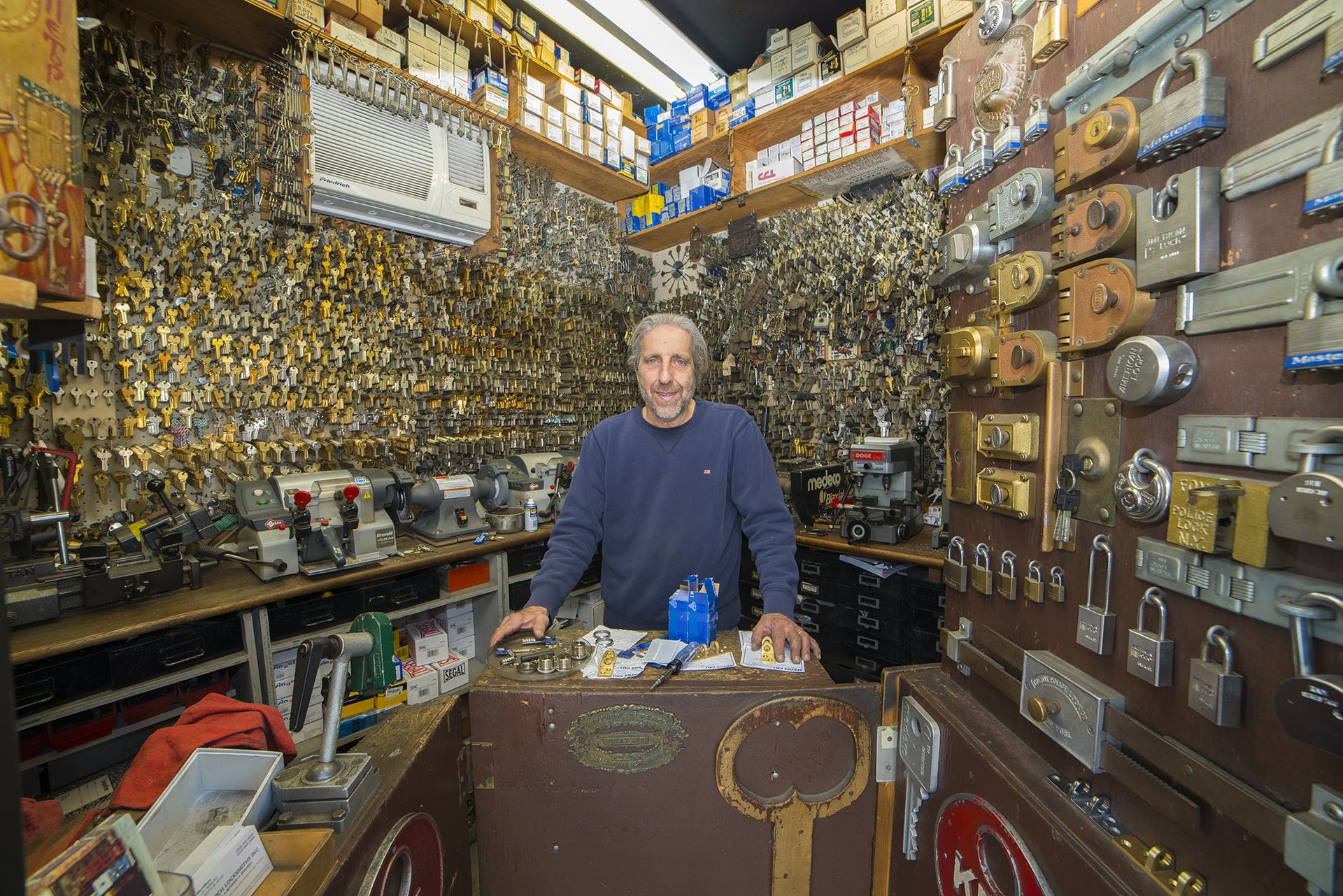
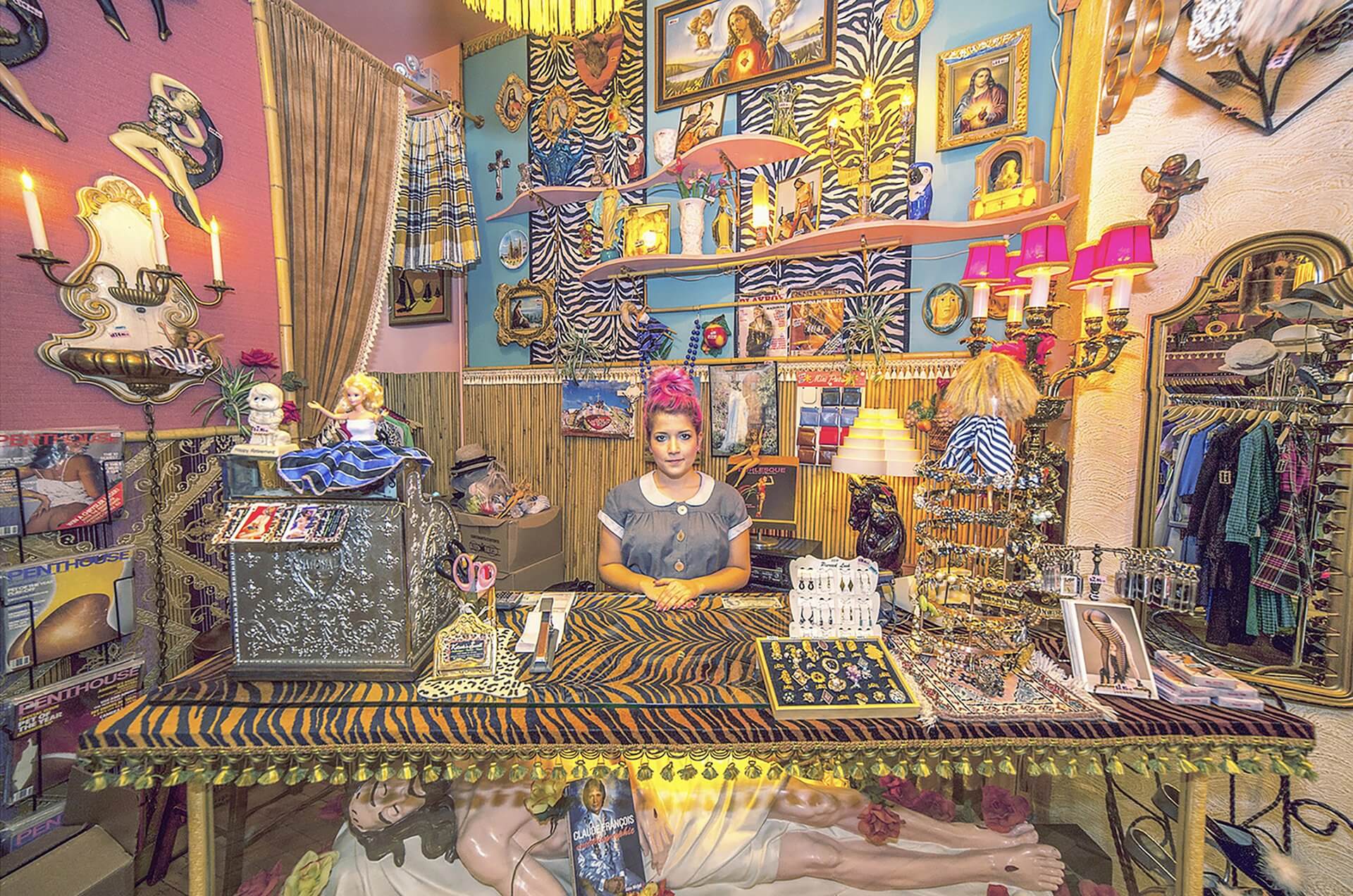
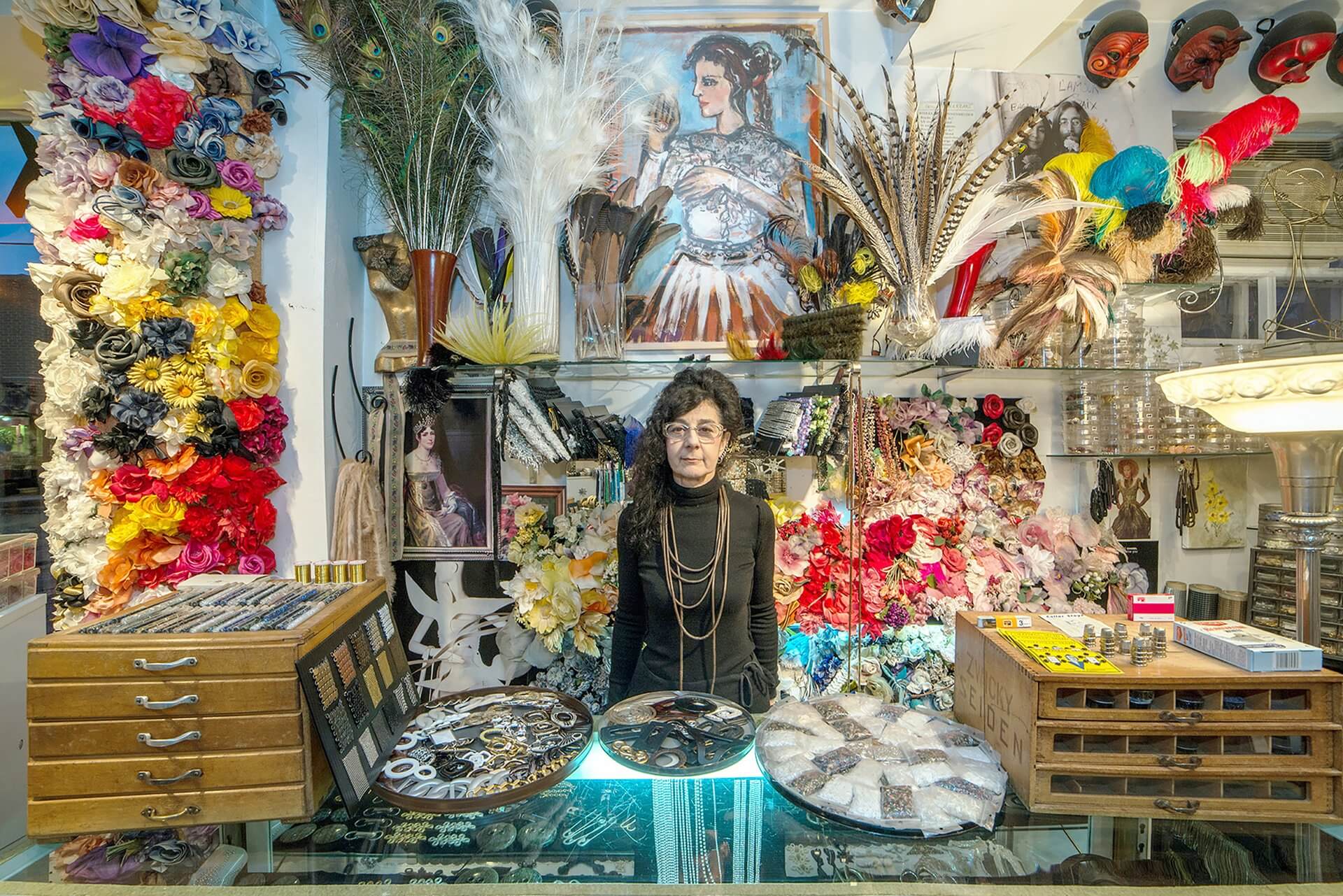
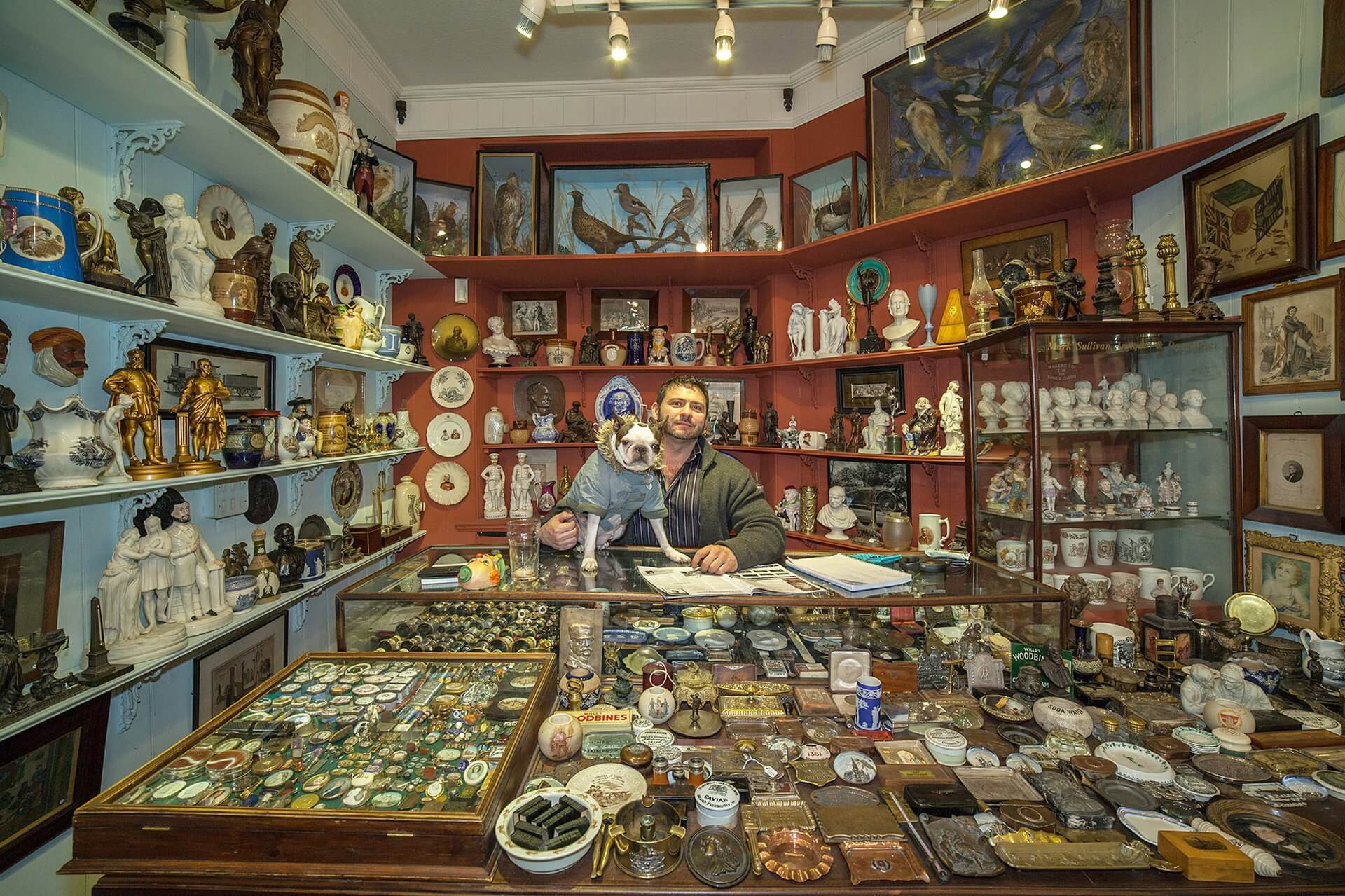
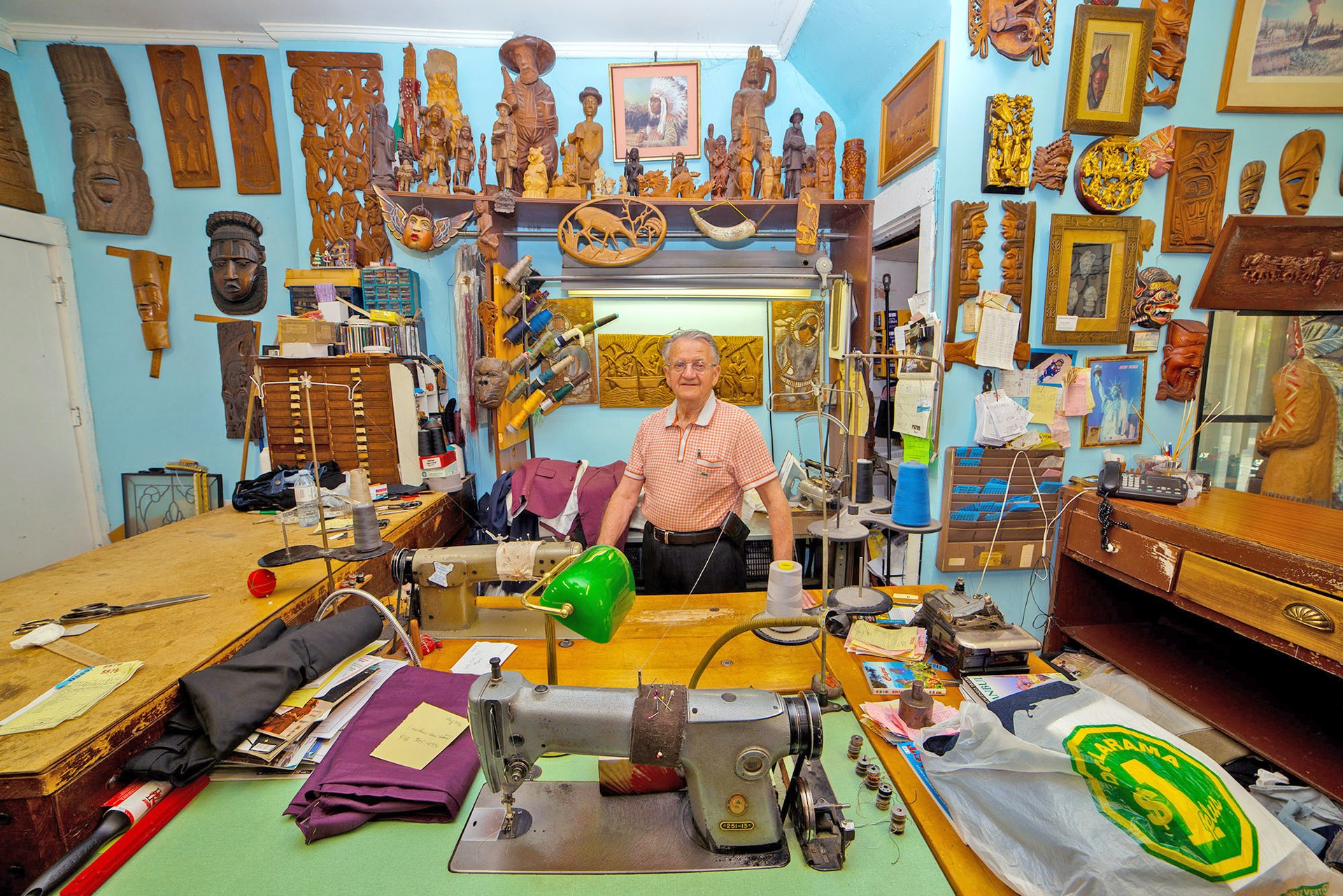
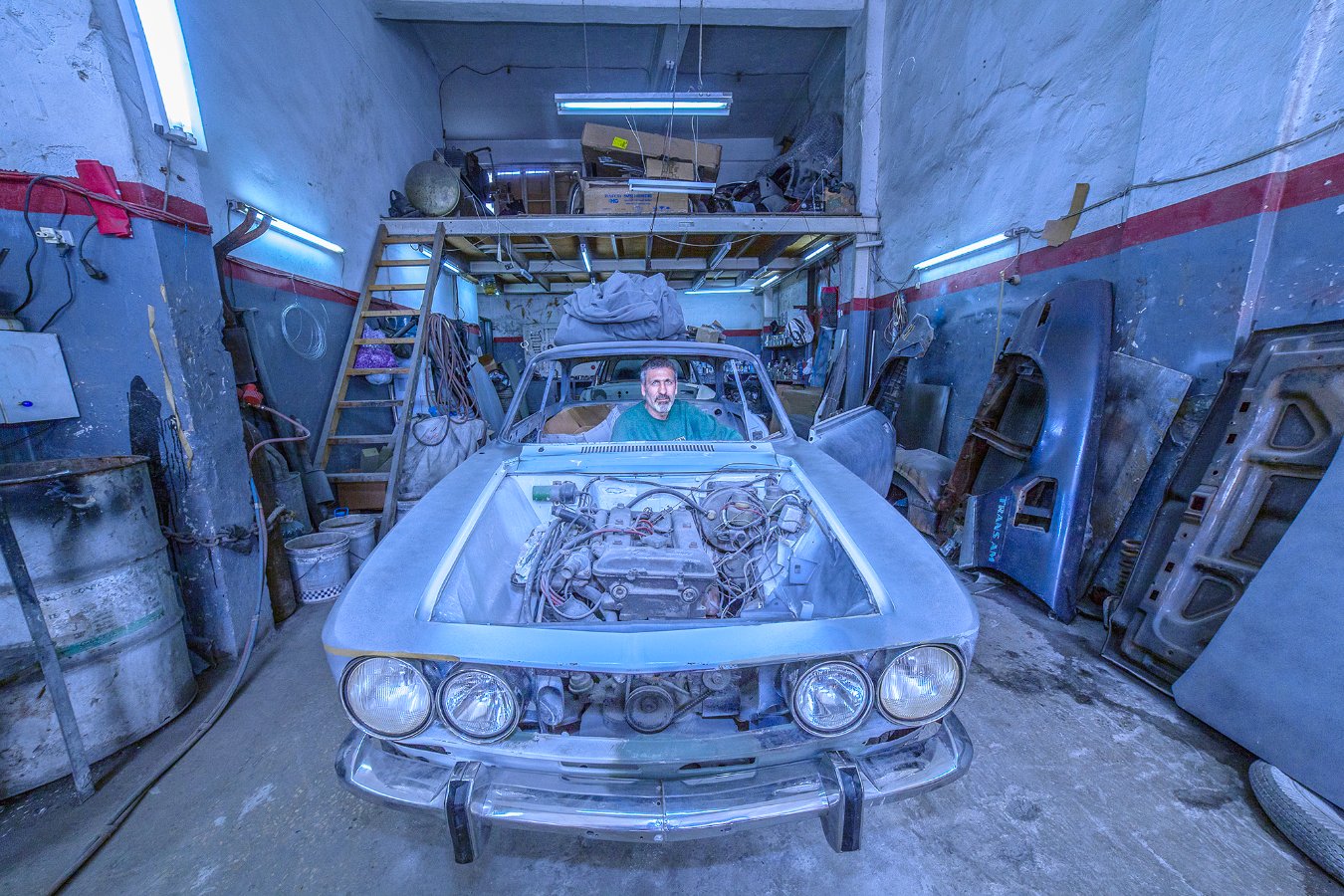
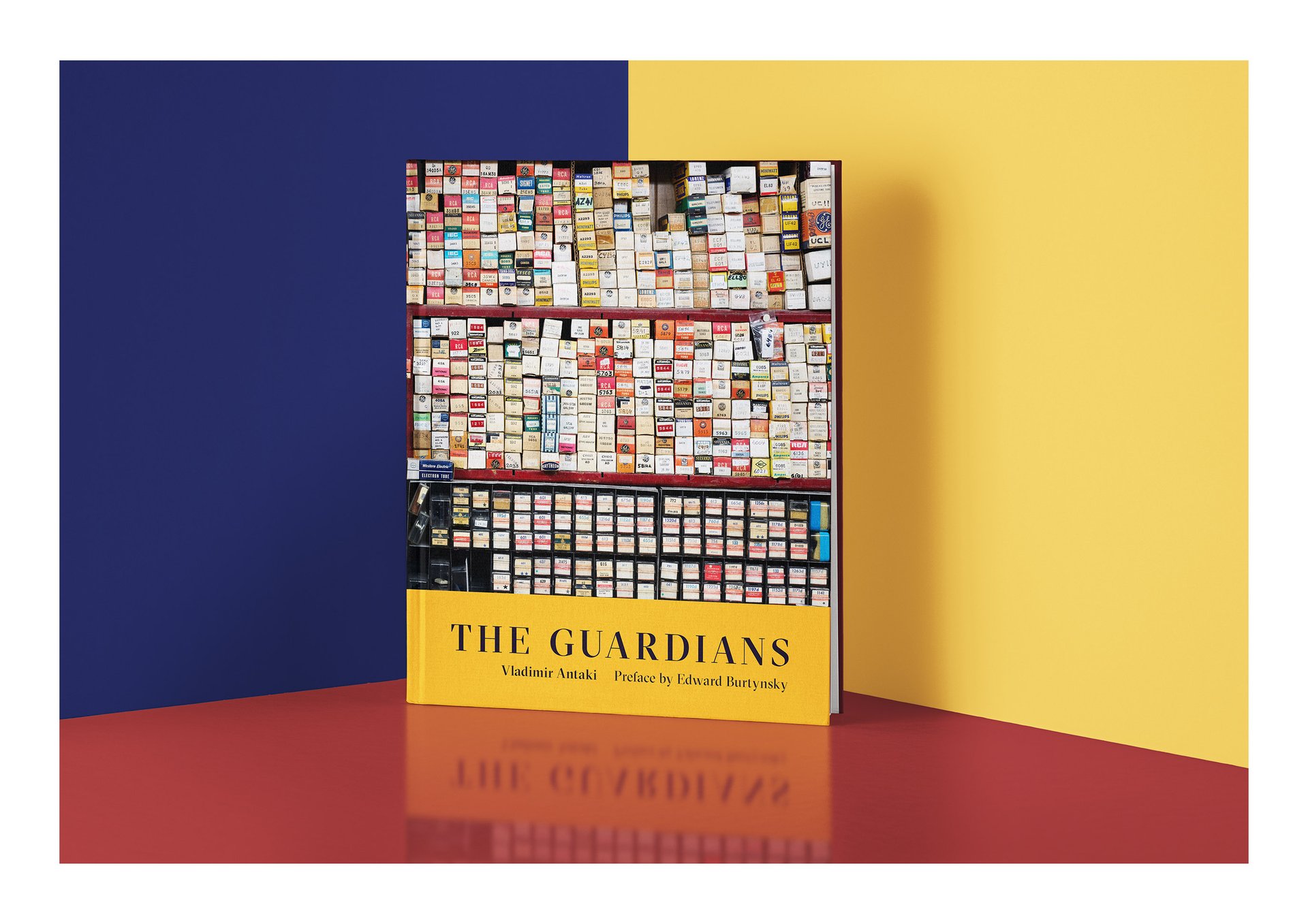
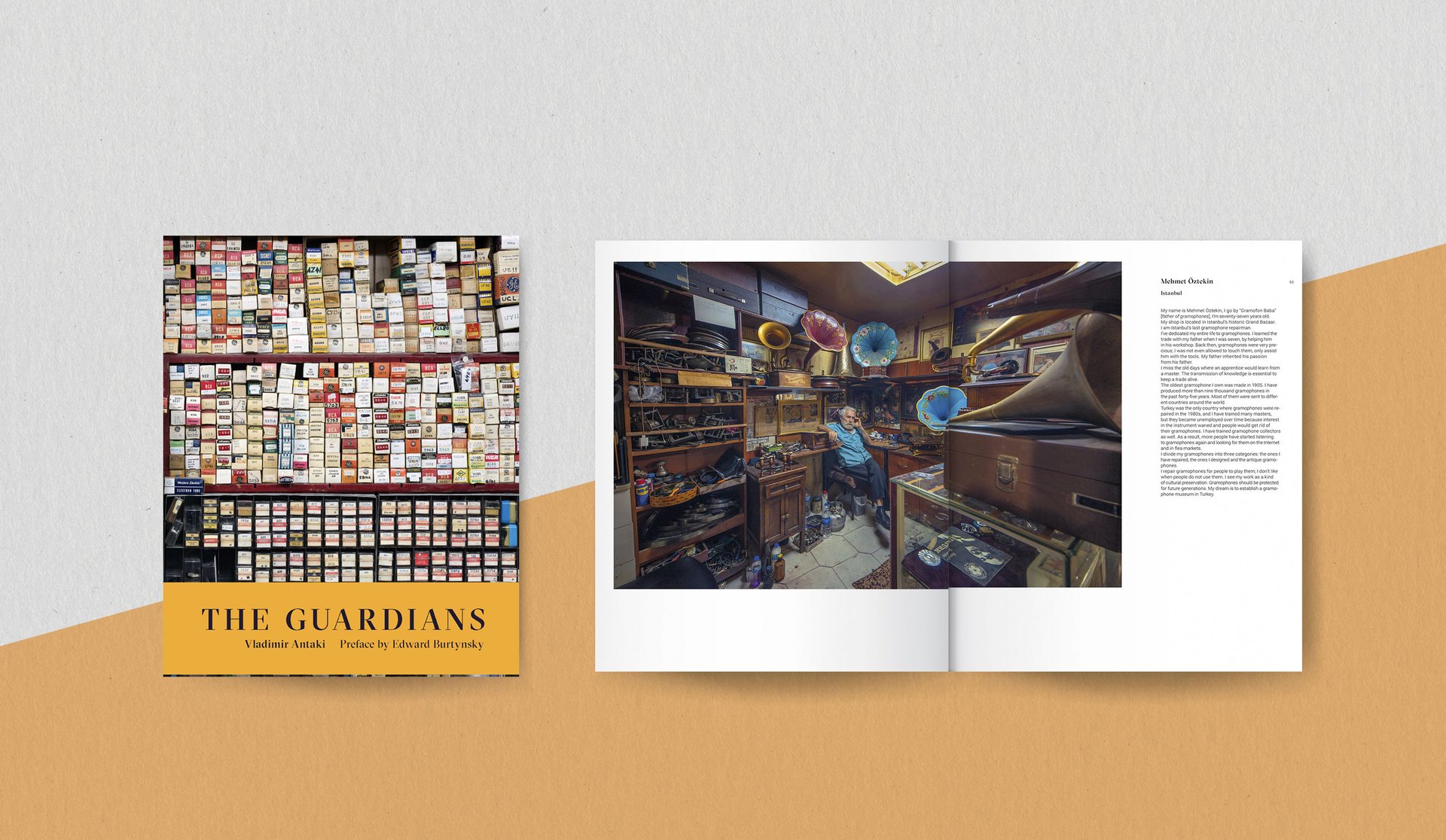
The Guardians, monograph published by Kehrer Verlag in 2019, with a preface by Edward Burtynsky. A selection of portraits with the Guardians' narratives, in their original language.
hologram seal.
Framing not included. White wooden frame
with anti-reflection glass recommended.
WhatsApp · +33 6 21 04 60 00
hello@vladimirantaki.com
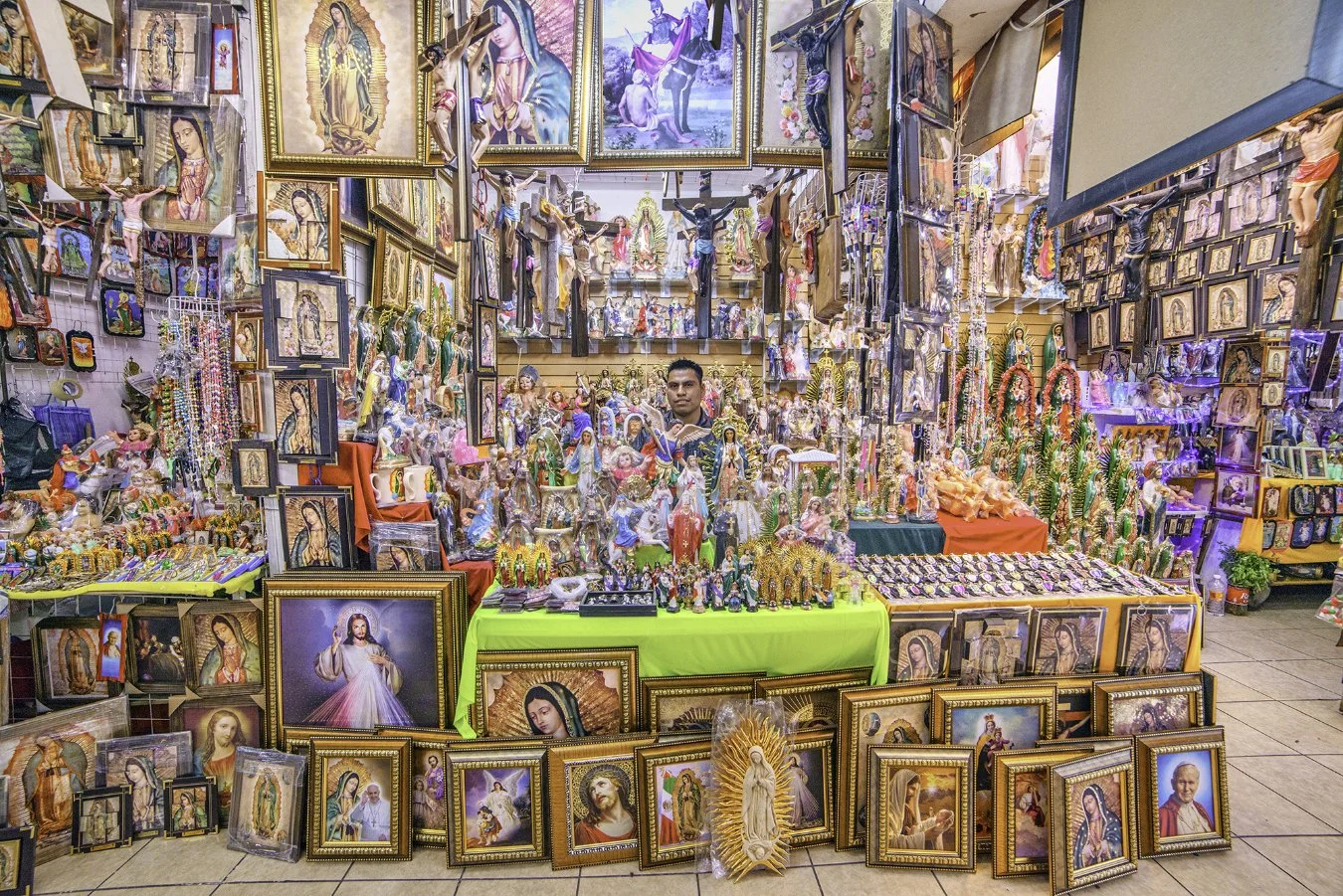
My name is Mario Antonio Hernández Escamilla; people call me Don Mario. I'm a seventy-two-year-old sculptor: I restore and create Catholic art. I started when I was fourteen. My workshop has been at this location since 1944.
My father studied at the Academy of San Carlos Academy; he taught me everything: anatomy, drawing, sculpture, carving.
My great-great-grandfather Margarito Hernández was the first sculptor in our family. Two hundred and four years later, I am the twelfth sculptor of this dynasty and unfortunately the last one.
The Church was one of my most important clients, but now it doesn't send me business anymore. It's more interested in politics. It has abandoned its parishioners. Everything is made in China nowadays. It's cheaper.
I work every day to survive. My biggest wish was to train an apprentice, but unfortunately, no one is interested. If people don't care, why should I? I may sound selfish, but that's the sad truth. In a way, this is going to be my revenge. I am going to take all of this knowledge to my grave.
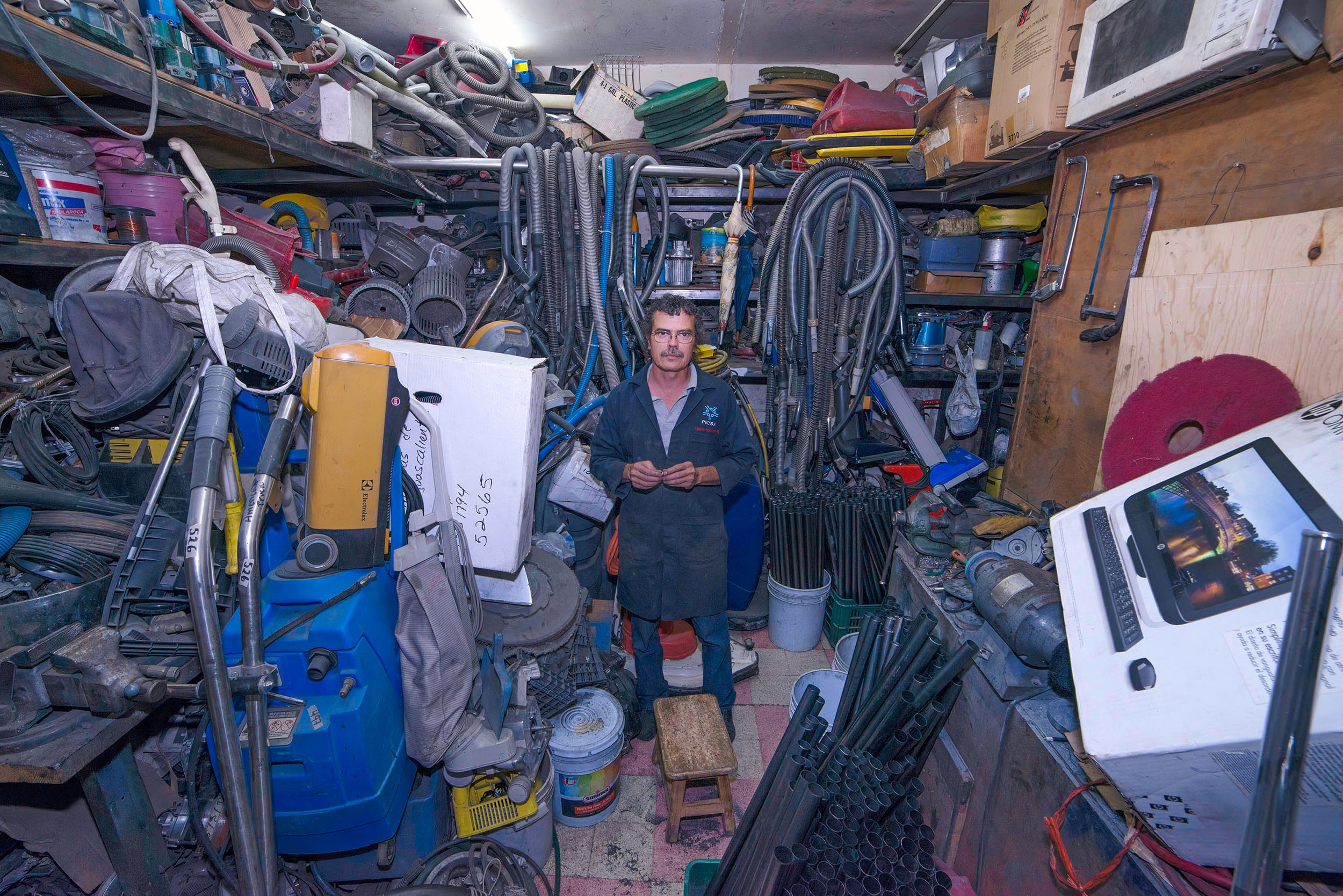
My name is Adolfo. I repair and sell vacuum cleaners. My father taught me this trade, and I still work here. I opened this shop in 1995 in the Condesa neighborhood.
I would like this trade to continue, so we can keep serving people. Especially for economic reasons—you can't just throw away an appliance and buy a new one. It's a tradition, a trade that has existed for many years. My father started it, I took it over in 1970, and I'm still going today.
My name is Anastacia "Stacy" Fahnestock. I'm fifty-eight years old. I've been selling antiques for thirty-one years. I'm married to Scott Evans, and we run the store together in Philadelphia.
Our business started at a very grassroots level in the early 1980s. We both had art degrees, but I was waitressing, and Scott was a carpenter.
I needed to have my wisdom teeth pulled, and to get together the money, Scott and I used our trash-picking skills to hunt for goods and set up at antique shows.
On our very first weekend, we made five hundred dollars. We realized that we had a gift for figuring out what people wanted, and so we started selling things we found on the street.
Twice a month, on Saturdays, we would have a street sale. Our clientele grew bigger and bigger week by week, so we knew we had to make it more official.
Back in 1985 we heard about the opening of a flea market in a former synagogue and decided to rent a space there for two hundred dollars a month.
We moved to our current, much bigger location in 1996.
This block was a rat-infested shit-hole, the neighborhood wasn't safe, but we decided to buy the building from the owner.
We renovated the whole building and rented one of the apartments to a family who needed a place to live.
We do have a lot of energy in here. In the place that we're standing right here, we had bought several things that came from an estate where the person died violently: he had a lung aneurysm, and he basically coughed himself to death.
He drew his final breath while on the toilet. He was in a second-floor apartment. The body just leaked and became watery as it decomposed until the neighbors downstairs noticed flies and a stain on the ceiling, so they called the realtor. So that was the situation that we came into: there was blood everywhere. When his things came in, it was summer, so they had a terrible smell.
That's just business though. We bought some things, and we brought them back to the garage, and we made sure that everything was cleaned and disinfected and after about a week I put them out on the floor.
This person had very specific tastes, so everything made a nice display together as a little unit. I had them all here up on top of this showcase on the very first day that they were on the floor.
One day this woman came by. She'd never been in the store. She was on her way down the street to apply for a job as a masseuse, and she says: "I just love your store I just want to take a look around." I was way on the other side as she did her loop. She came back to me, and she said: "Do you know where everything in here comes from?"
I replied, "Most things. I mean, sometimes we get into a house where we're the very last person in, you know, so it's the lawyer who's there, so we don't really always have a history of who owned it, but in this case, we do."
I asked her, "Well what are you sensing?" She said, "Well there's one area in here where I'm distraught, and I feel like the person had a very violent death," and she came right over to the case with the man's former belongings, and it was just remarkable; I get the chills when I think of it. And she was just so into it. And I told her the story, she thanked me and left. I never saw her again.
We're in business because we love old things. We love curating, we love finding interesting things. We love the history of it; it has become an emotional experience. You know some things are unique in time. There are times that I have sold things that I have regretted because I know I'll never see an item like that again. If I have too much of an emotional attachment to an object, it won't come to the store, or we'll keep it in the back closet, not on the floor. To me, the heart of the shop is the puppets. If I sell those, I think I'll close up. But they're very expensive, so … [laughs] We've had them for twenty years. I don't know if I could sell them.
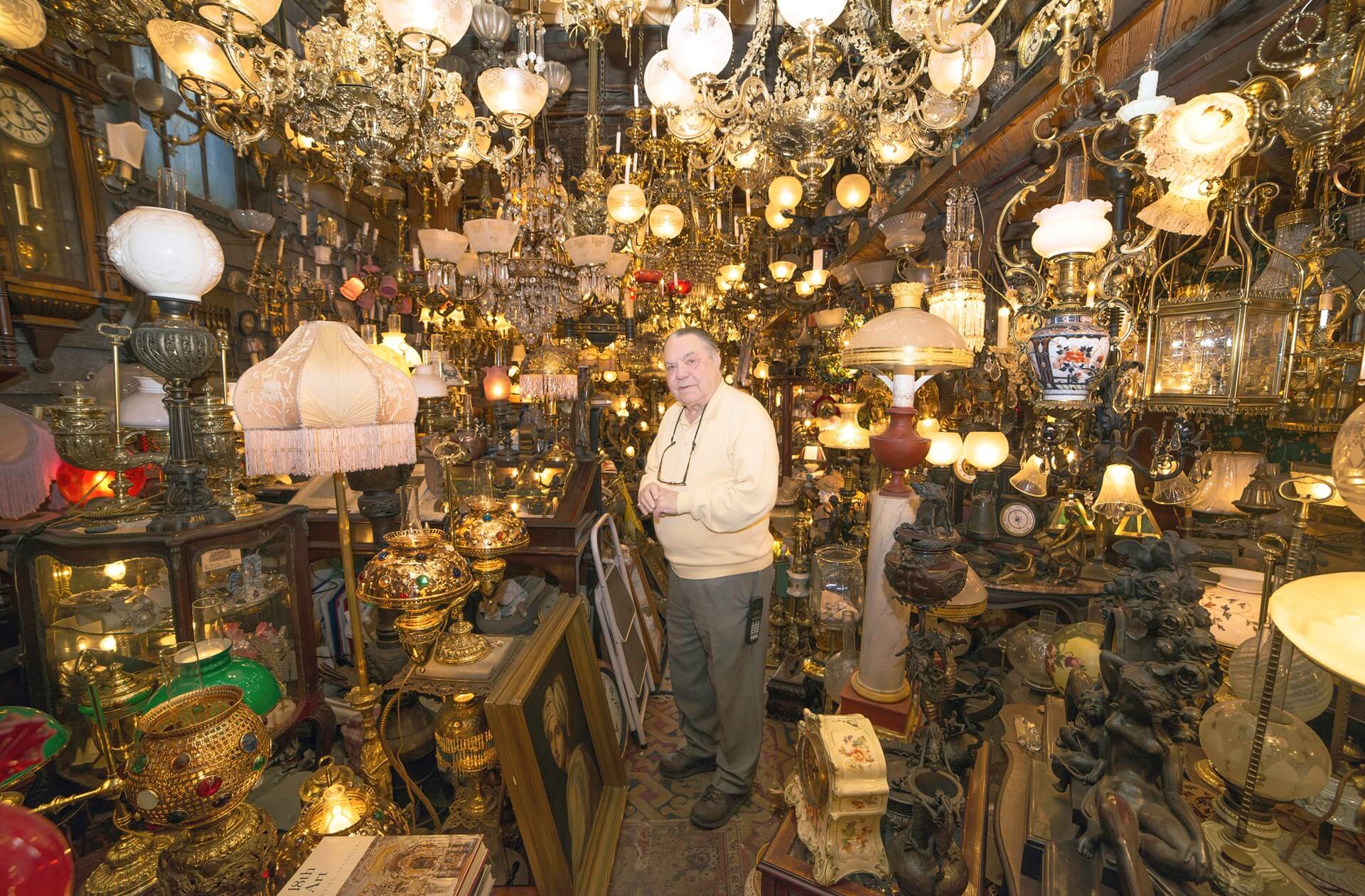
My name is Charles Neri, I'm 81 years old, I'm the owner of an antique shop in Philadelphia that has been here for 40 years.
I just happen to like the antiques, I like to be around beautiful things, listen to good music and it keeps me alive.
I started this business in 1976, I was in another business for 25 years and just got tired of it and didn't know what to do, I wasn't educated for anything and I knew I liked the antiques so I bought this building and opened up an antique shop. Gave up half of my other work, I would go do my other work in the morning, come here in the afternoons until I saw after 4 or 5 years that I could make a living doing this, then I gave up all my other work and that was my retirement.
I've been here for 40 years now and I can't wait to get here everyday.
And I hope the shop will be here another 40 even though I won't. I hope my daughter Cindy will run it after I'm gone.
My name is Philip Mortillaro, I've been a locksmith since 1964, I started doing this when I was 14 years old as an apprentice, and now I'm 65 years old and I'm still doing it.
The shop here is Greenwich Locksmiths, I opened this up in 1980, in April it will be 36 years, and this is my story. My shop is my life. I love my shop and I think when you look at the building you can tell. I like to make metal sculptures, so I made metal sculptures for my shop out of keys: I made a chair out of keys, I made a clock out of keys, and everything is keys. I'm a good locksmith.
Years ago when I first opened here, this shop was normal, this was how NYC was, there were lots of little shops across the street from me, there was a place called Casey's Rubber Stamps, it was this guy from Dublin who opened up a shop just to make rubber stamps, you could make your name, you could make whatever you wanted, that's all he sold; and up the block there was another guy who would just take pictures of streets in NYC, of people, whatever and he would put them in a frame and sell those. This is how business used to be.
Years ago I would go to a café, I knew the owner, there was one guy around the corner from Italy, he would have a little café, now you go to Starbucks; when you wanna go to a hardware store, you go to Home Depot; when you wanna go to a book store, you go to Barnes & Noble, so this is the way the world is now, the world is shot; NYC is not really NYC anymore. NYC reminds me of a gift shop in an airport: you go on Bleeker Str. now and it's all these Marc Jacobs, Ralph Lauren and everything else I don't even know anymore. Before there used to be a lot of old antique shops over there and they would give me some business, they would bring an antique lock for me to fix it, now it's different. But now I'm an old man so it's ok.
My son works with me and in the beginning I didn't think he was gonna go into this with me cos he went to college and everything, I thought he was gonna do something else. But now he loves it, he's 29 years old, all of a sudden he thinks about this kind of business all the time, and he does lots of IT stuff, so he's gonna be dealing with all the electronic locks, which I don't do. As long as I'm around I'll be doing the old-fashioned stuff.
My name is Harold Paul, I'm 87 years old. I am the owner now of S. Paul and Sons and I work six days a week and this is my livelihood. I together with my wife run the business now that was started by my parents in 1919. Our children are not in it. Our grandchildren are not in it. We're just in that ourselves and we enjoy what we do.
We get along very well. We manufacture draperies, we have our workrooms here, we do the styling, we have the installation people. Our work is not only confined to homes we do commercial work, we do movie work, we do work on ships, on cruisers, everything, as long as it hangs we will make it. You're welcome to come and visit us any time you like.
We are thinking of not leasing it. Sylvia and I are both up in years and we think maybe perhaps we should try and not work, and just confine ourselves to each other like we have been. We had an anniversary last Monday which was leap year. It was our seventh day 17th birthday anniversary of our marriage which if it was not the 29th of the month it would have been 68 years that were married; happily married and I hope we are both well enough to keep our happiness going.
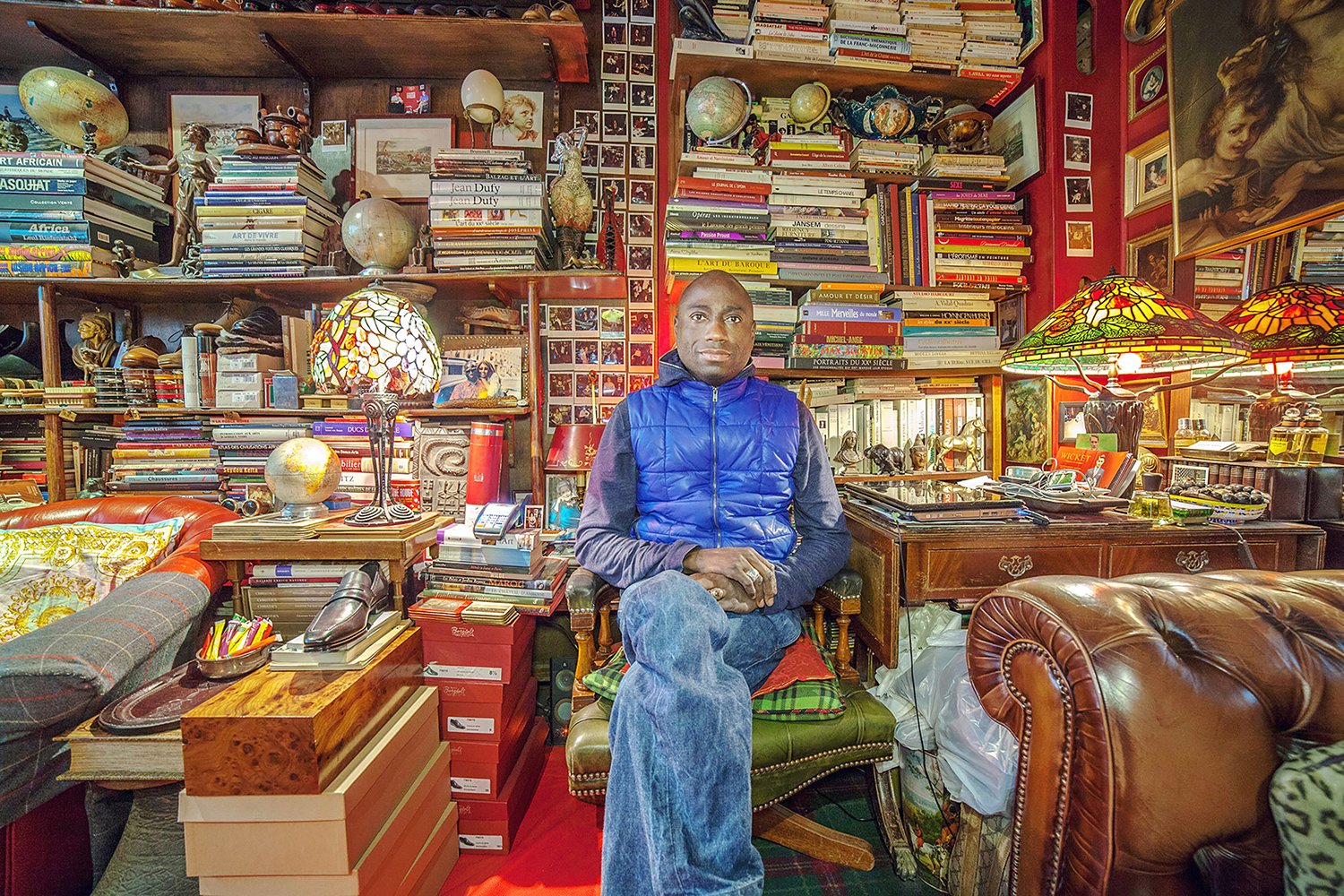
My name is "Baba" Conrad Sarr, I'm fifty-nine years old. I call myself Baba as a tribute to my Senegalese father Babacar who passed away a few years ago. My passion for shoes came from him.
I've been a shoeshiner for about twenty years now, but when you do something out of love, you don't count the time and effort you put into it. I went to college and got a senior technician certificate, then I decided to travel for a bit. Travelling made me realize that some trades weren't recognized for their true value in France. I had an all-consuming passion for the maintenance of my shoes. As the saying goes, "A man is known by the shoes he wears," and this is why I decided to start this salon: a unique place where I could make a living from my passion, spend some time with my friends and meet new people: Salon Baba was born.
I meet people for my own enjoyment. I like to spend time here; the atmosphere is very relaxing. We talk about everything and nothing. The most impressive thing is that we barely talk about shoes. This place is about human connections. Some of the happiest moments in my life have happened here. I meet a lot of people through my work. When you walk through the door, you become an "Average Joe," you are not defined by your work or social rank; you are Baba's friend, you are part of the Salon.
We're located in a neighborhood of Paris known as the "Golden Triangle." Traditionally, people usually go to a bar or a café for a quick break from their hectic life; others come to my Salon to relax and meet new people. Everyone who comes here is an added value to the Salon because they bring their knowledge. It's cultural I guess. I learn from others every day; it's gratifying for me.
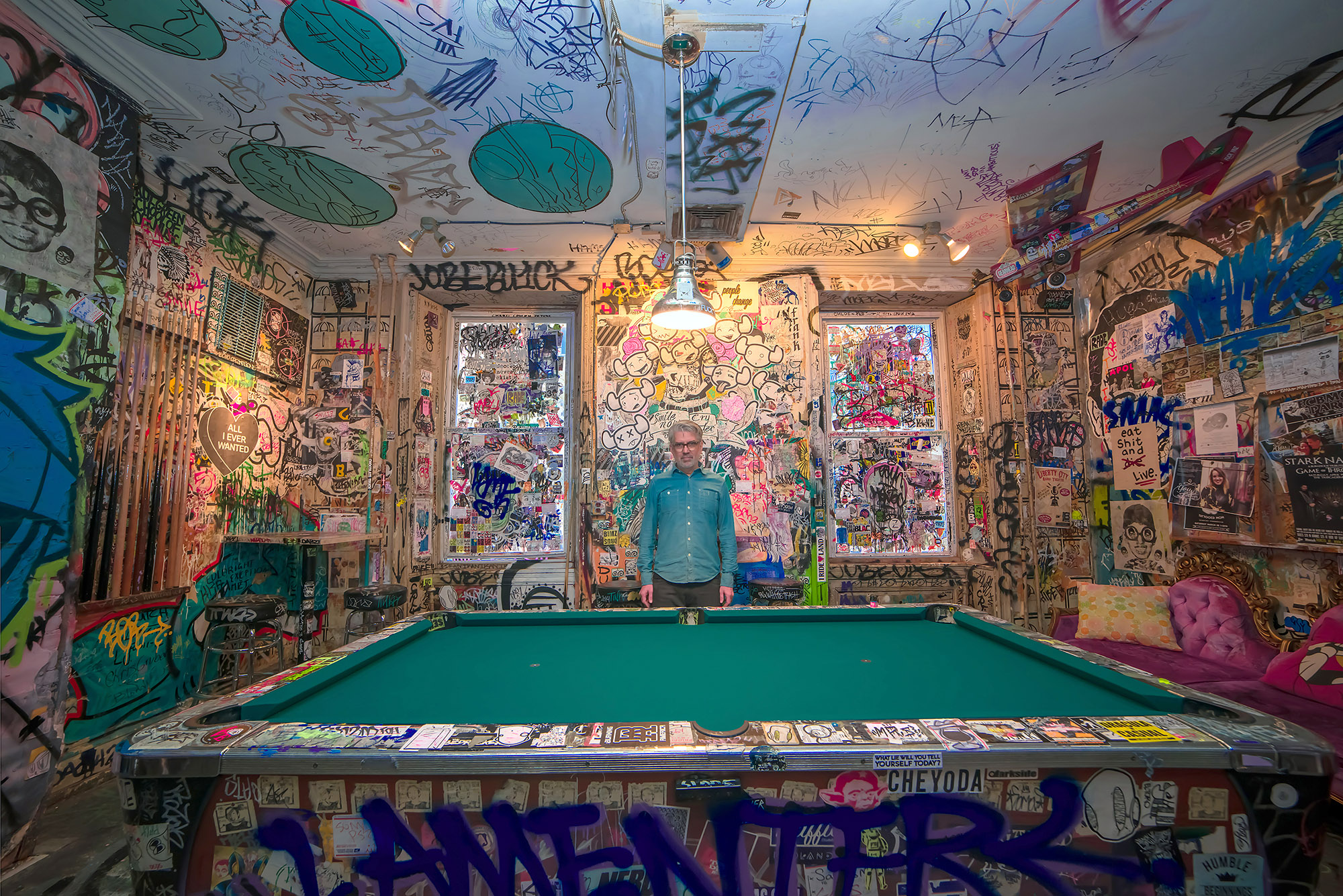
My name is Robert Perry, I'm fifty-four years old, and I live in Philadelphia, Pennsylvania. The place is Tattooed Mom, and we've been here for twenty years next year. This place is not me, this place is everybody's who comes here and leaves a little piece of themselves here in some beautiful way. And it changes every day and every night, and that's what makes it just my absolute passion.
It's evolved over the years in interesting ways. So many different communities come here to gather, to meet and challenge each other, exchange ideas, and to create together. Whether they be visual artists, or writers, or filmmakers, or politicians, or moms or kids, or anything that you can think of; every community has been here and has enjoyed the space and has left their mark here. That's amazing to me.
My dream for this place is to just keep it going and keep going for another twenty years and another twenty years and another twenty. To have this be a real heart of a community for people where they can come and they can express themselves, and they can find their communities and enjoy each other and enjoy each other's company in a nice, inviting, safe space.
The biggest compliment that anybody could ever tell me about Tattooed Mom or about their time here is that they feel at home. That's how I know that my work is done, that I did a good job. That is my dream, to keep that going.
I have people come in, and they say, "Oh wow, this place is so cool!" A place like this could never exist anymore in—fill in the blank—New York or London or Paris or wherever you're talking about. It's not possible anymore for a place like this to be around.
So my concern is maybe that it isn't possible at some point, and perhaps the change that is happening in lots of places is happening in this city too, and will cut short our lives here in some small way. The encroaching condominiums, chains and speculative realtors will force somebody like us out of this space, but you know this space, even if we aren't around in twenty or forty or sixty years, will live on in many people's hearts, memories and photographs, and their own art will continue to keep going.
I was born in Hawaii. I lived there till I was seventeen. I went to school in Boston, travelled a lot on the East Coast and all across America, landed in California and went back to Hawaii and travelled in Europe and went to all different kinds of places and eventually ended up in Philadelphia because I had a friend here. It looked like a cheap, cool, scary place to live. It was easy to live on very little here, and that made it fun as a young artist to be in that kind of a city. There were lots of us doing that, whether you were making music or making art.
I was working as a graphic designer at one point, as an art director at a small book publisher. We used to go up to this bar, and I became friends with the owner who asked me to do graphic design work for him and then to help him produce nights and then to deejay and do all this other stuff. One thing led to another, and one of the bartenders there was opening a place with him called Sugar Mom's in another neighborhood up in the old city. They invited me and said, "Just quit your job and come start this place with us," and I said, "I don't have any money," and they said, "You don't have to worry about that, just quit your job and it's going to be fine." So I was ready to do that, and I did. And there was no turning back, so I just helped them with the visuals of the space, lots of fun details.
So I started Sugar Mom's with them and then one of the partners at Sugar Mom's said, "I want to start a place down in our neighborhood, South Street. Would you like to come with me and do that?" And I said sure. So we started Tattooed Mom. Everybody knew her as "mom"; she was tattooed and looked out for travelling bands and other travellers. She was just a mom to a lot of people, so we started this place.
The upstairs was not quite as filled with the beauty that you see now. But we'd lived and hung out in places like this that were squats and band houses. So it was just natural for our friends to show up and start doing things like this. And I guess that word kind of spread, so people who were doing sticker art, graffiti and wheat paste and everything else also showed up and started adding to the walls and it just kind of hasn't stopped since then. It's beautiful to see people from all over the world now appreciate it. And people who, through things like Instagram, people from all over the world might see things that are happening here and say, "Oh when I come to Philly, I need to stop by Tattooed Mom and check it out or add my art to it."
And it's nice to see artists from all over the world who travel stopping by. But it's not just artists; it could be skateboarders, bicycle messengers from Prague—I had like eleven sleeping on my floor once because they were all here for a big race. You know things like that make it super fun to be here. It's a home to a lot of people, and if people feel like that, they feel comfortable here and feel at home and feel that they can express themselves here that is really the highest compliment.
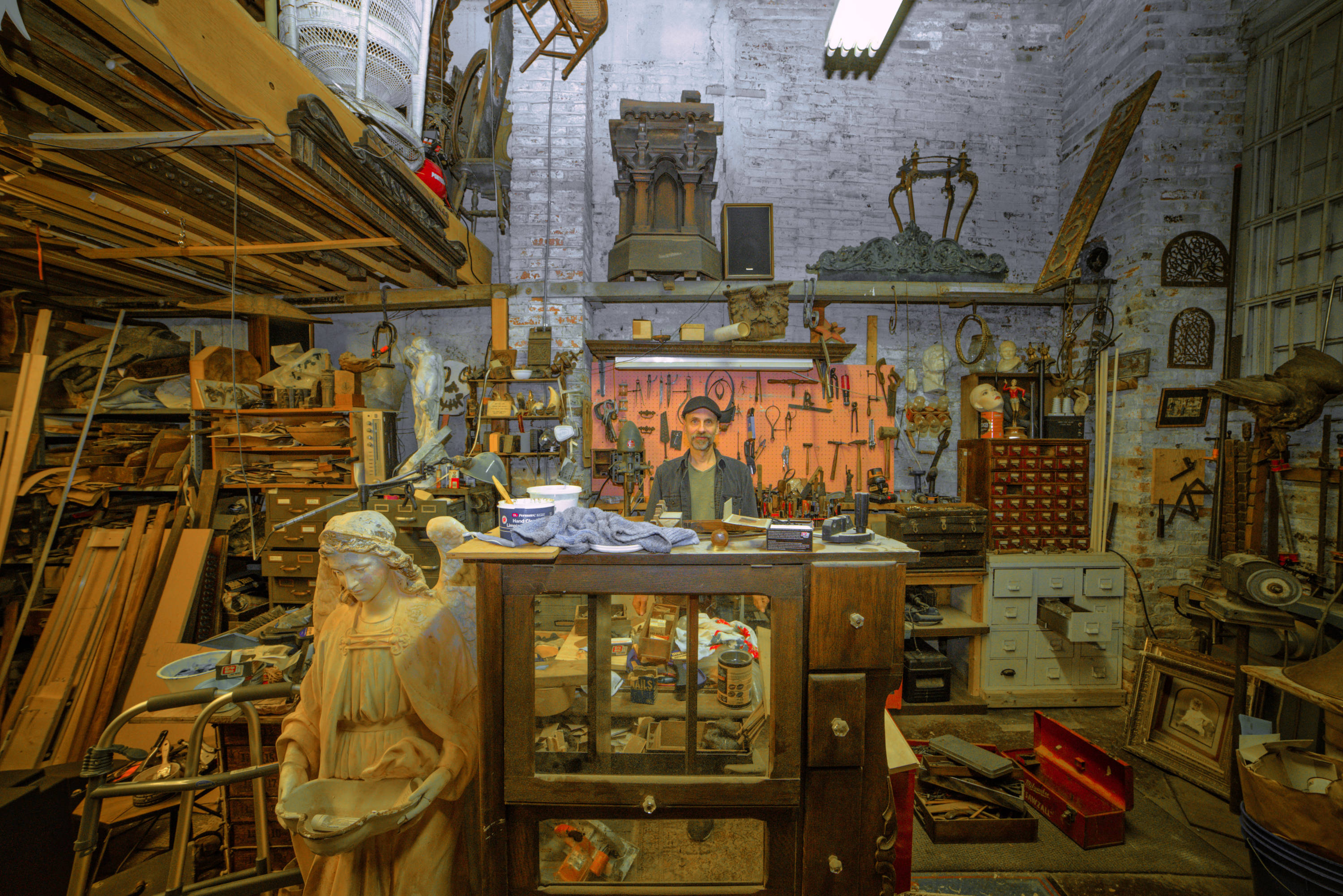
I'm Scott Evans. I'm sixty years old. I started in this business with Anastacia thirty years ago.
We bought a house that needed work and it needed to be furnished, so we started trash picking for stuff to put in the house. Some of it was broken, and I was a carpenter at the time, so I started fixing things. We worked on broken stuff in the basement of that house, and then we got another place, and then we got this place, and I took over the garage. We used to park cars in there, but it's been a long time since that happened. I ended up collecting the tools, and I learned how to fix antique furniture. I used to do a lot of refinishing but not so much of that anymore, but I still do a lot of repairs. We also make lamps—we have another room that we do that in—but this is furniture in here.
I love my job. I guess I could say I do. I don't work for anybody, you know, that's why I love it.
I guess that's love. When we decide to stop everything, Anastacia and I, I guess the stuff will go to auction, and then it'll be condos, but we're not retiring. People in this business don't retire they just do it until they're dead, you know? So that's what it's like. That's what'll happen. One of us will die. I won't do it without her; I'm not going to do this by myself. She started this, and I work for her. That's basically it. You know I live to make her happy. That's all.
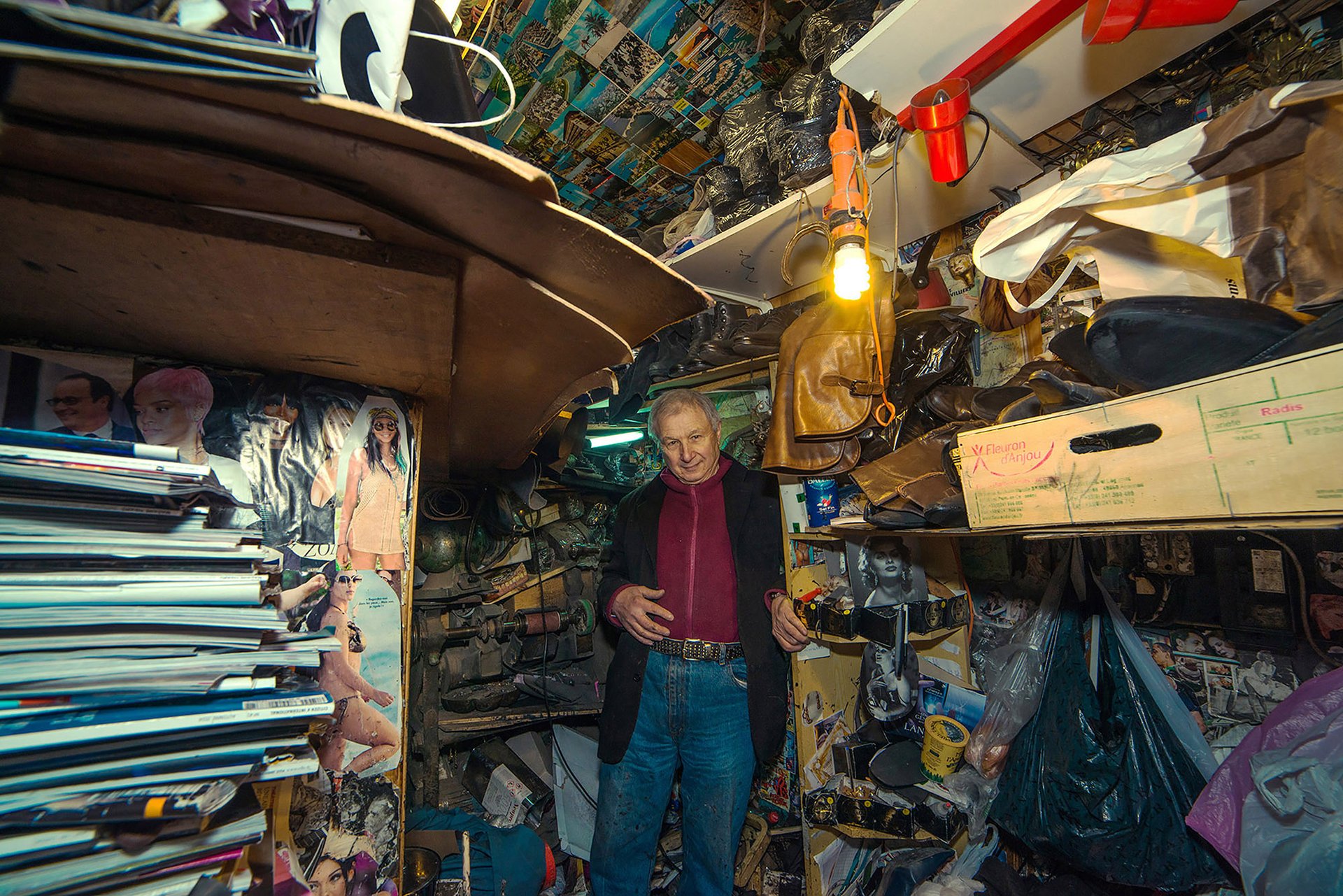
My name is Vincent Pirimian, I'm seventy-eight years old, and I'm a Catholic Armenian from Lebanon. I am married to a French woman. We had lived in Gemmayzeh, a neighborhood of Beirut for fourteen years when the war started. Every day I would find my wife in tears. She was terrified and didn't want to die in Lebanon. Following my mother's advice, we left Lebanon and moved to France in 1980.
In Lebanon, I had thirteen employees working for me, making leather sandals. Here I'm my own boss in this tiny 21-square-foot shop [laughs] located under the porch of the former Manège Duphot, where high-society people used to come to ride horses until 1914.
I fix everything: bags, heels, soles and suitcases. I am often asked the meaning of all these pictures glued from floor-to-ceiling in my shop: they are mostly postcards that I have received from all around the world and images that I cut out of magazines.
I love to tell jokes and make riddles. Besides I sometimes give discounts to people who guess the answers.
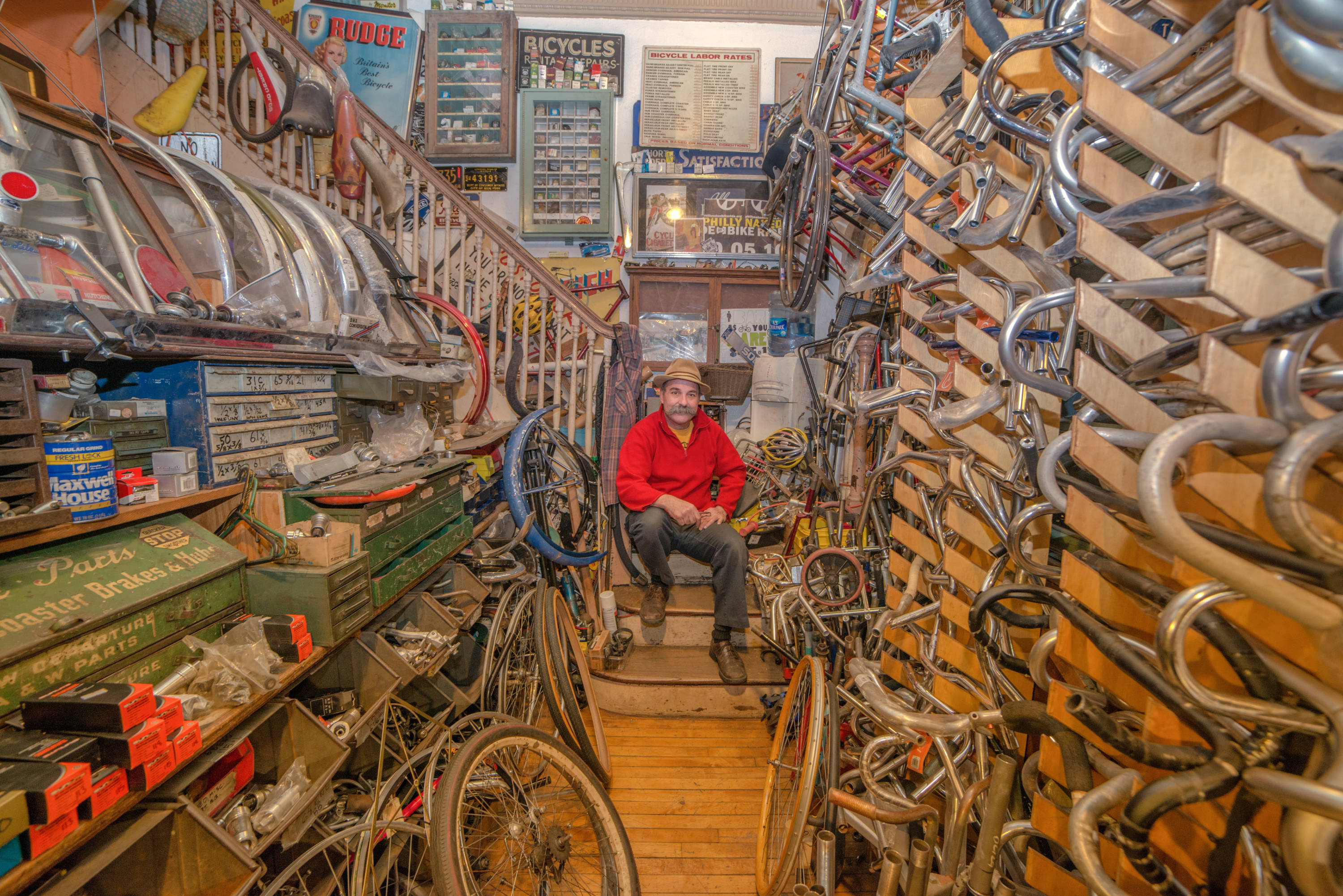
I'm blessed, I love what I do. We treat people like we want them to come back. The people who work here, we demand that they treat people fairly and honestly and most people we do want to see again. A small percentage we hope never return but the bulk of the people we want to come back. This is our third location. We focus on vintage bicycles, something that I really like is people who have worked here like it because most of our customers use their bicycles as tools rather than toys. So we really do provide a service for the community, which makes me feel good.
Upstairs, we store vintage bikes that we've collected through the years. Sometimes because I'm a crappy businessman we have to sell nice bikes from our collection to keep the doors open and the lights on. We've had the pleasure of working on some really nice bikes, many of them we ride and meeting a variety of very very interesting people over the years. Our bikes range from the 1880's up until the present. We work on just about anything, if there's something we can't handle, we'll recommend who can do it for you.
I would like to see our business continue when I decide to retire, it's tough finding people that really care and want it to go, cos sometimes it's not about the money, it's about what we do for people and keeping the shop afloat.
Hello, my name is Joseph Hovsepian. I came from Greece in 1960, after serving in the Royal Greek Air Force, I came to Montréal. I worked for Canadair for a couple of years, and then I started Radio Hovsep Company, and I have had it for almost fifty-three years. But at the same time, I'm a volunteer pastor at a Baptist church in Outremont. I do both, and I enjoy it. This store has become an antiques shop. People come from all the cities, and even provinces, to take pictures. Movies have rented my space and the stuff I have. You may also see some of the things I have in movies. Seeing that is a pleasure for me. In my store I have things that are actually of great value. Tubes, receiving tubes that people can't find anywhere, and I sell tubes or ship them to outside the country or the province. I have parts and accessories. I have old radios that go back to the 1920s and 1930s, and people still bring me their radios to fix. They keep saying that this belonged to my great-grandfather or grandmother. The problem there is that today people don't even recognize them. Sometimes someone will come and say, "You know sir, I went to a store and showed them the radio, and they thought it was a toaster." They don't understand that radios in those days had lights inside and would get hot, and they would be surprised that I know how to fix them. I know how to fix them because I've been doing it for more than fifty-five years here. And for me, it's not only a pleasure, but it's something that comes with experience. You cannot buy experience, you cannot find it anywhere, except by practising. So I've been doing this day and night. Well not night but during the day. And it gives me pleasure. So if anyone would ask me would you ever give this up? Well, I'd tell them I will give it up when God takes my life away. I like it. I'm seventy-five years old, and I get pleasure from dealing with customers, repairs and also of course as a pastor dealing with the public, counselling and helping people, young people with drug addictions and alcohol problems. I help them as much as I can. I travel to mission fields. I've already made five mission trips to help poor people and build their churches and provide medication. People don't understand why I do all this, but I do it because God has given me a life and I want to enjoy my life. The store is a place where I can live my life and help others to live their lives to the fullest. What really makes me very pleased or excited is when someone brings me an old radio from 1920 or 1930 and mice have chewed the wiring and mice are trapped inside, and everything is bad, and my wife says, "What is this garbage? What are you going to do with that?" So I work on it for a couple of days. When the customer comes and sees the radio working, they start jumping and laughing and is so pleased, shaking my hand. That's the greatest pleasure I get out of my business: making people happy when they bring me broken-down things and I fix them. To go back into my history, I remember one day when I was about fifteen or sixteen years old my father told me, "Son, I want to talk to you." I thought he was going to talk to me about girls and sex, so I was excited. He said, "Sit down son. I want you to be a pastor, a reverend of a church. If you want to become a minister of a church, I will work two jobs, and I'll provide money for your schooling. But if you decide to be an electronics engineer instead, then I will only pray for you." To which I replied, "Dad, you know I love electronics. Pray for me." But, you know, thirty years later I managed to do both and this made him really happy.
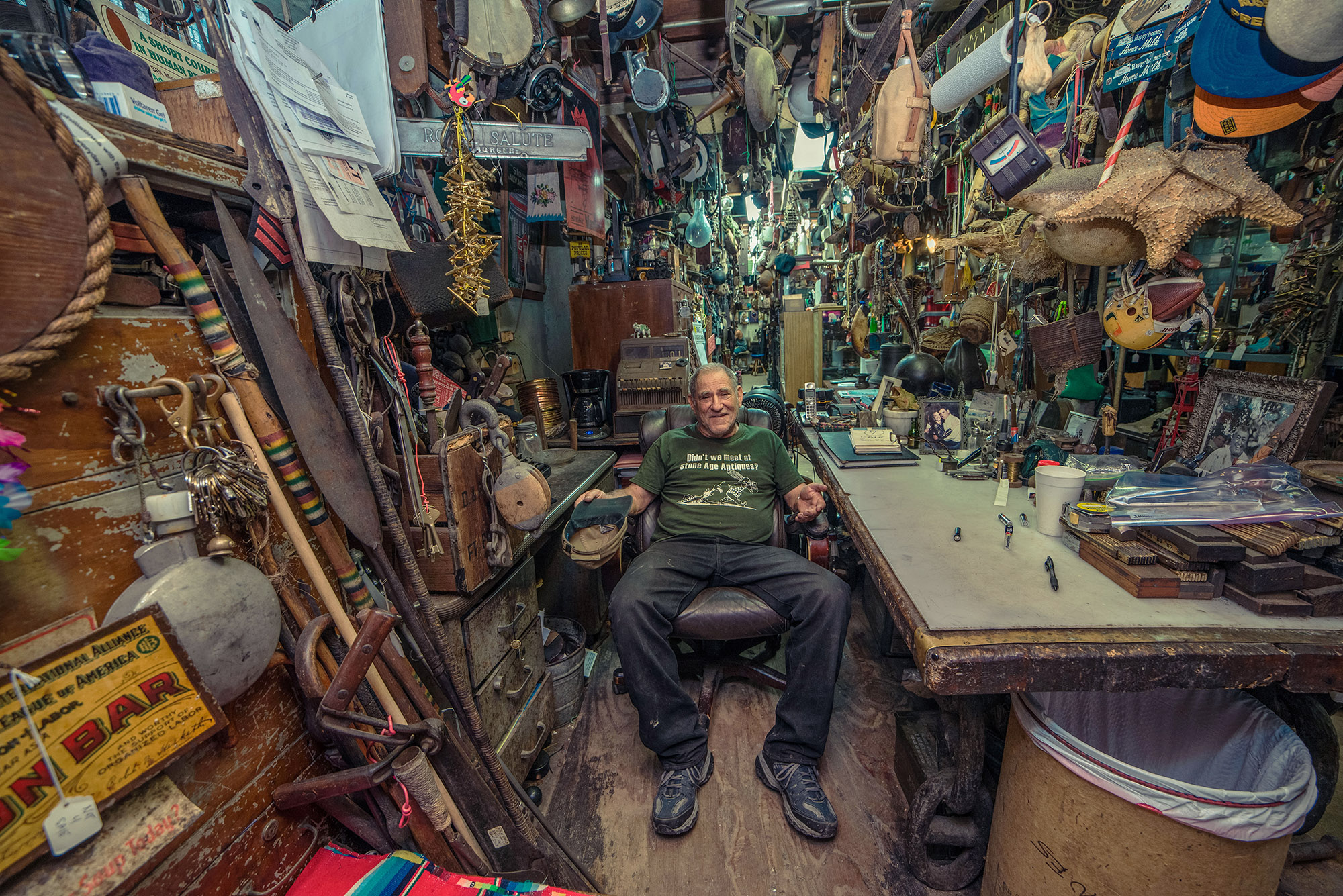
My name is Gary Stone, I'm seventy-two years old, and I'm the owner of Stone Age Antiques.
My father Milton and I started this business forty-nine years ago. He was a landscape contractor, and through landscaping, he used to buy cabins, anchors, chains and things like that. People started to come to us and say, "Gee, I saw the job you did there, I'd like to get a cannon or an anchor for my yard." So we started to collect a bunch of stuff, and our assortment of antiques grew. Then when I got older, around eighteen, I said, "Dad I'm tired of digging holes. That's the business we ought to go into." So we borrowed some money from a friend, and we got into selling and renting historic artefacts including cannons, swords, boat parts, and prehistoric items, like a 20,000-year-old wooly mammoth tusk.
My father died about twenty-five years ago, and I have carried on since then. So that's how it all got started.
My son Ryan runs the store with me now. We rent out tons of things to major motion pictures, TV shows, local playhouses, for print ads, magazines, themed parties, store displays, restaurants—we're a one-stop shop for set designers, interior decorators, artists, creative minds and the general public.
We acquired most of the antiques throughout the years, often through different estate sales. We are one of the most interesting and fascinating places to shop in the country!
We're far away from the beaten track. People have to hunt us up to come here.
We like that because that means they're coming to buy. We don't get many tyre kickers.
On June 12, 2018, Ryan Stone announced on Facebook that they sold the store.